

Tag: ProfessionalCoaching
-
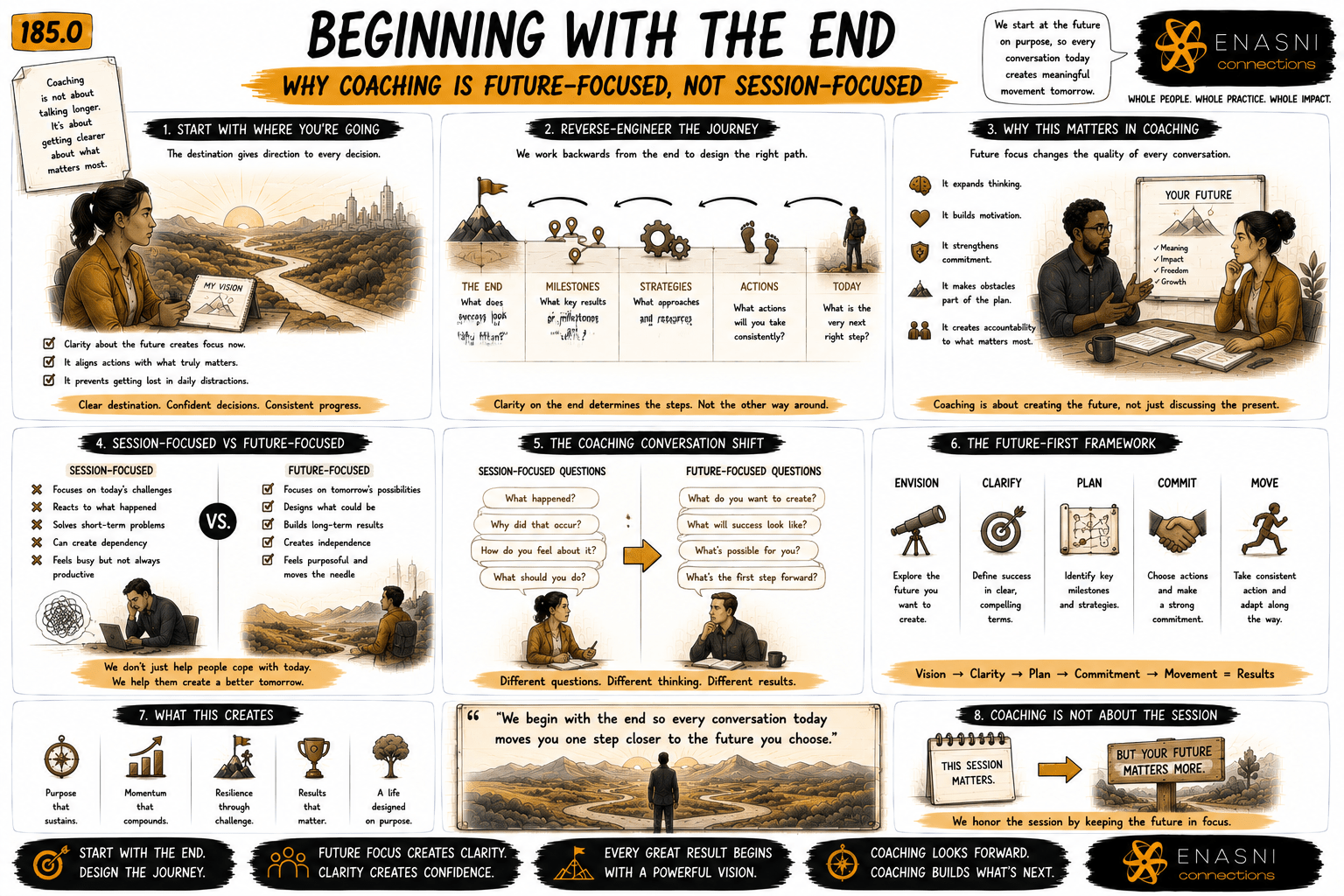
Why Coaching Is Future-Focused, Not Session-Focused Coaching effectiveness depends on direction because presence is far removed from progress on its own, and especially because clients leave sessions changed only when the future is actively shaped rather than merely explored. This post clarifies why coaching begins with the end in mind, how journey goals and stepping stones…
-
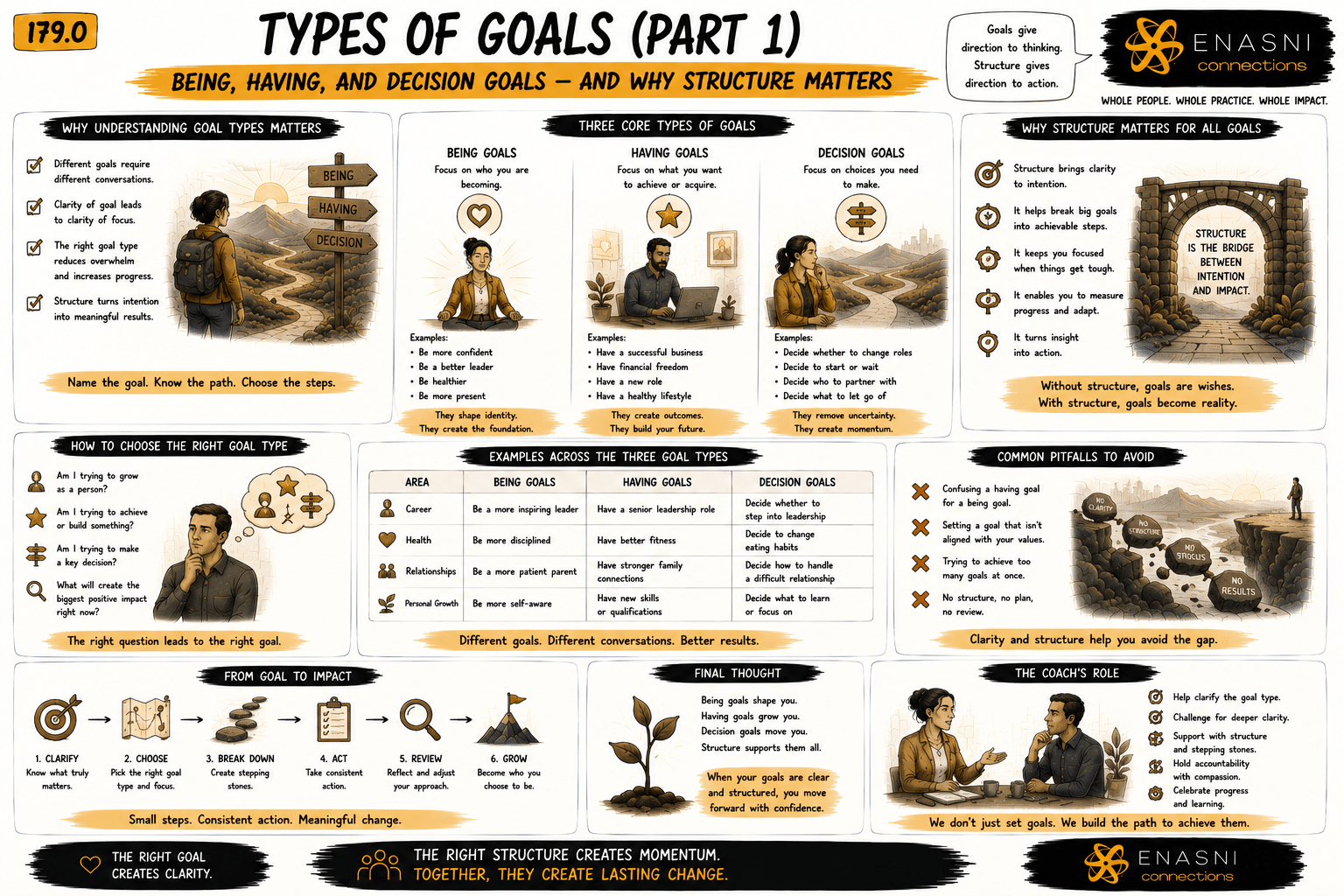
Being, Having, and Decision Goals — and Why Structure Matters Understanding goal types matters because effort is far removed from progress on its own, and especially because confusing different kinds of goals leads to misplaced action, frustration, and stalled momentum. This post introduces three core goal types commonly brought into coaching — Being Goals, Having Goals, and Decision Goals —…
-
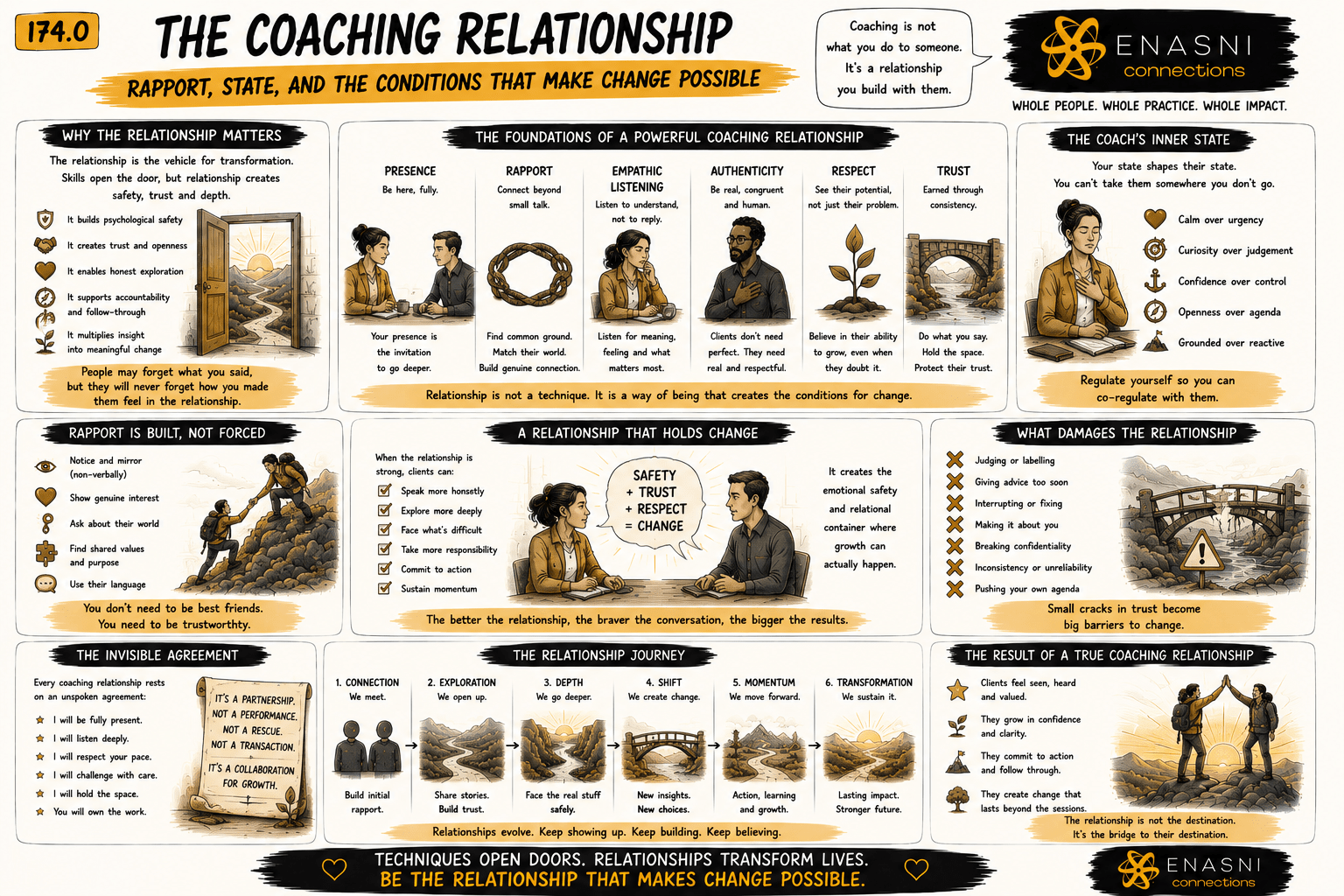
Rapport, State, and the Conditions That Make Change Possible The coaching relationship matters because technique is far removed from effectiveness on its own, and especially because no goal, model, or question can function properly without a relationship capable of holding attention, emotion, and responsibility. This post clarifies what actually empowers the coaching relationship, how it is…
-

Time Never Lies This stage of preparation matters because intention is far removed from behaviour on its own, and especially because how time is actually spent reveals priorities more accurately than what is said or hoped for. This post clarifies the third preparation stage: using time awareness to surface unconscious priorities, wasted effort, and misaligned energy…
-

From Awareness to Priority Preparation deepens at this stage because awareness is far removed from movement on its own, and especially because clarity only converts into change once priorities are consciously chosen rather than mentally held. This post clarifies the second stage of preparation: how clients move from broad awareness into prioritised focus and committed action, using…
-
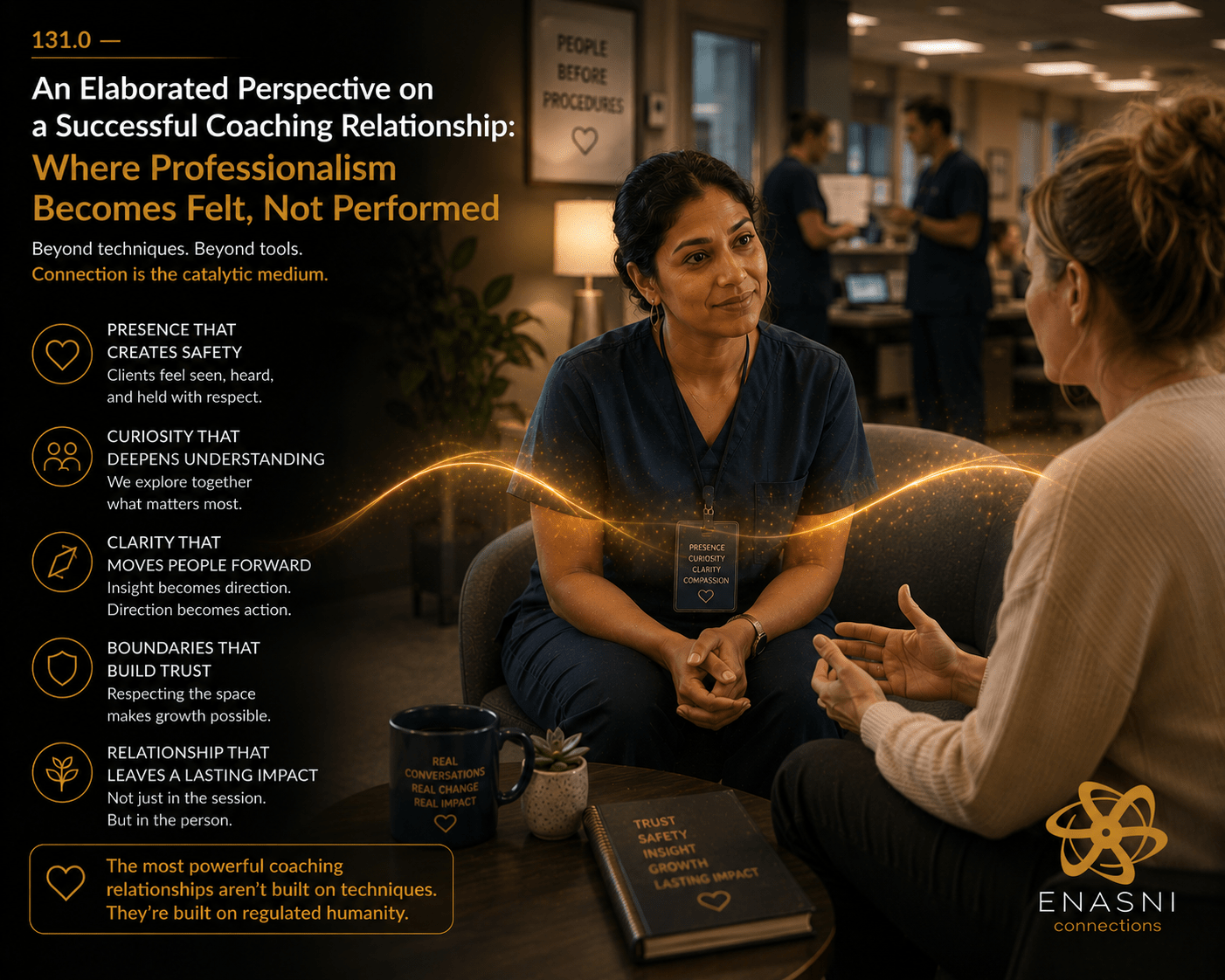
Where Professionalism Becomes Felt, Not Performed A successful coaching relationship matters because techniques are far removed from trust on their own, and especially because clients experience safety, credibility, and progress through the consistency of the relationship rather than the brilliance of any single intervention. This post deepens the characteristics of a successful coaching relationship by grounding…
-
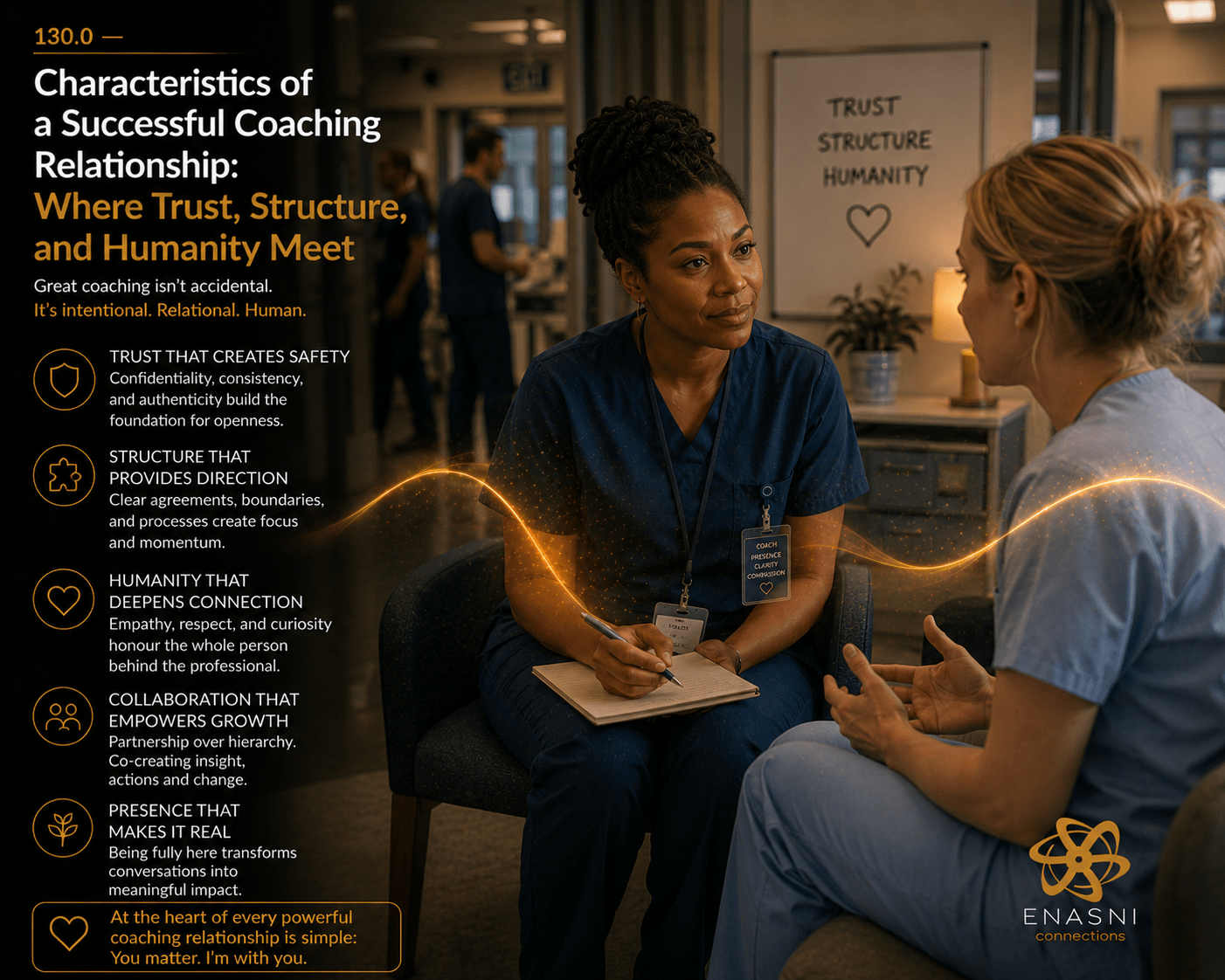
Where Trust, Structure, and Humanity Meet A successful coaching relationship matters because insight is far removed from impact on its own, and especially because coaching only works when predictability, respect, and clarity are built into the relationship itself. This post clarifies the core characteristics that allow a coaching relationship to function effectively, ethically, and sustainably over…