

Tag: ProfessionalCoaching
-
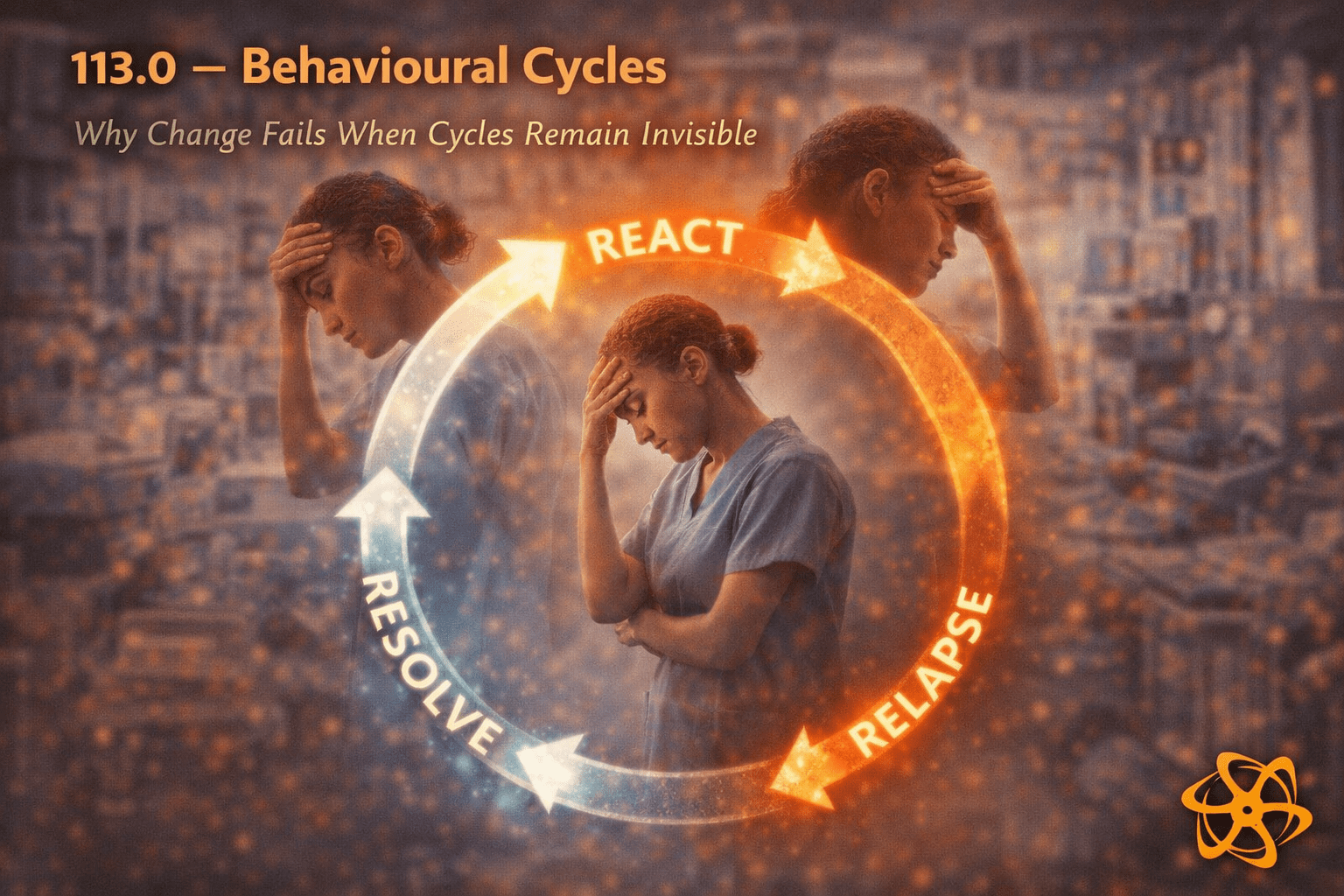
Why Change Fails When Cycles Remain Invisible Behavioural cycles matter because effort is far removed from interruption, and especially because most unwanted behaviours are not isolated actions but self-reinforcing loops. In coaching, behaviour is often addressed as a single event: do less of this, do more of that. When cycles are ignored, behaviour returns — sometimes…
-

The Forces That Move Behaviour Before Thought Arrives Emotional drivers matter because behaviour is far removed from logic alone, and especially because emotion moves first — cognition explains later. In coaching, behaviour is often discussed as choice or habit. In reality, behaviour is frequently initiated, sustained, or avoided due to emotional drivers operating beneath awareness. When…
-

The Invisible Architecture Behind Behaviour Identity structures matter because behaviour is far removed from willpower alone, and especially because what a person does is organised by who they believe themselves to be. In coaching, change efforts often focus on actions, habits, or goals. These approaches stall when identity structures remain unexamined. Identity quietly sets the limits…
-

Why Some Questions Change Lives and Others Just Gather Data Transformational versus informational questions matter because insight is far removed from information alone, and especially because not all questions are designed to produce change. In coaching, many questions sound powerful but function primarily to collect data. Others appear simple yet catalyse deep internal movement. The difference…
-

Why Impact Is Designed, Not Accidental Powerful questions matter because influence is far removed from clever wording, and especially because the effectiveness of a question is determined by its internal structure, not its surface form. In coaching, questions are often evaluated by how they sound. In practice, what matters is what the question does — where it directs…
-

Why the Right Question at the Wrong Time Causes Harm Questions misfire because intent is far removed from impact, and especially because a question asked without readiness, regulation, or precision can destabilise rather than support. In coaching, questions are often assumed to be neutral or inherently helpful. They are not. Every question intervenes in the system.…
-
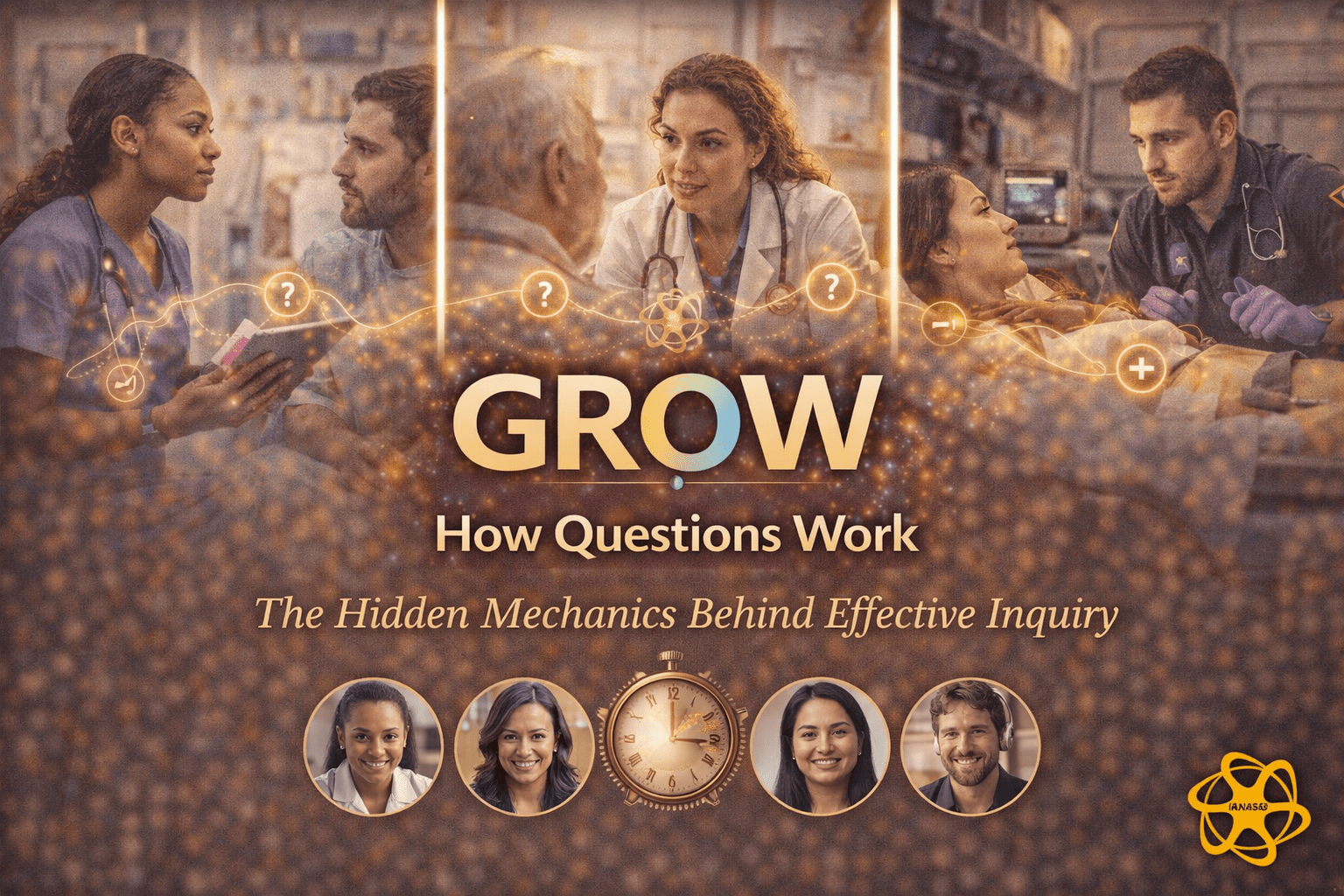
The Hidden Mechanics Behind Effective Inquiry Questions work not by clever wording alone, but by how they move attention, regulate state, and reorganise meaning. Understanding how questions work matters because misuse creates confusion, pressure, or shutdown — while precision creates clarity, agency, and movement. This post breaks down the internal mechanics that make a question effective.