

Tag: ProfessionalCoaching
-

Clarity, Confidence, and Clean Exchange Asking for payment matters because value is far removed from discomfort alone, and especially because clear financial exchange stabilises trust, responsibility, and commitment — from a wholeness perspective. This post clarifies how asking for payment is not a transactional interruption, but a continuation of the coaching container itself, shaping confidence, clarity, and…
-

What a Client Is Actually Entering Into Coaching experience matters because expectations are far removed from outcomes on their own, and especially because the quality of experience determines safety, clarity, and traction from the very beginning — from a wholeness perspective. This post clarifies what the coaching experience is like in practice, how it unfolds, what…
-

Why Mastery Must Now Move Beyond the Session This bridge matters because coaching does not exist in isolation, and especially because individual mastery must translate into systemic impact. With professional foundations established, the next developmental edge lies beyond the coaching room — in how coaching interacts with culture, systems, leadership, technology, and collective wellbeing from a…
-

Where Trust Is Built Before Technique Matters Navigating early sessions matters because outcomes are far removed from frameworks alone, and especially because the first few sessions set the relational, ethical, and psychological tone for everything that follows. Early sessions are not about demonstrating competence. They are about establishing safety, clarity, and rhythm. When these foundations are…
-

Visibility Without Compromise Finding coaching clients matters because skill is far removed from sustainability on its own, and especially because ethical visibility is a professional responsibility, not a personality trait. Many capable coaches stall at this stage. Not due to lack of ability, but due to discomfort with visibility, confusion about positioning, or fear of being…
-

Depth Without Damage Coaching beliefs safely and effectively matters because belief sits close to identity, and especially because poorly handled belief work destabilises rather than supports change. Beliefs organise meaning, behaviour, and self-concept. When coaching engages belief without sufficient care, clients experience shame, confusion, or collapse. When belief is coached with precision, safety, and timing, agency…
-
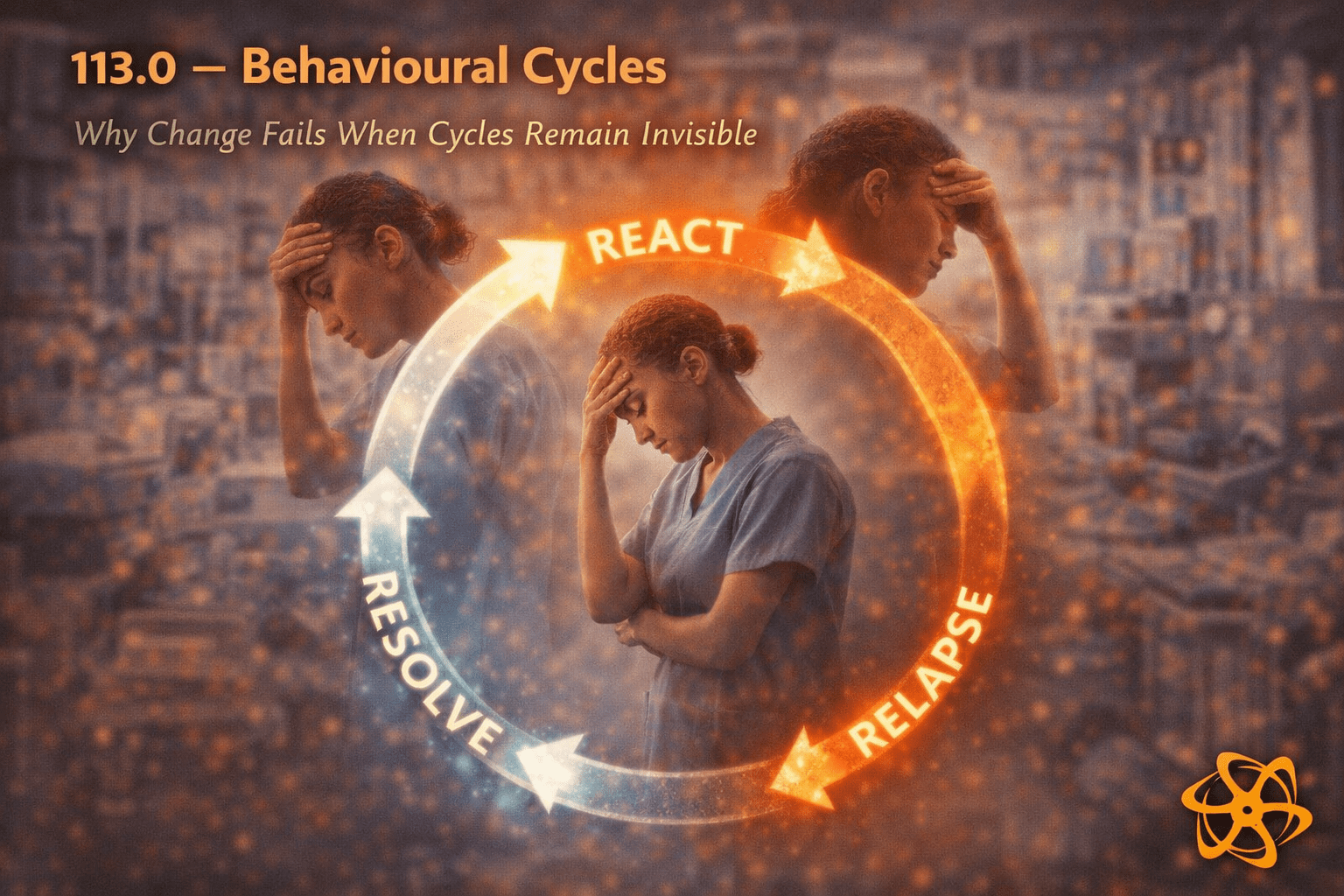
Why Change Fails When Cycles Remain Invisible Behavioural cycles matter because effort is far removed from interruption, and especially because most unwanted behaviours are not isolated actions but self-reinforcing loops. In coaching, behaviour is often addressed as a single event: do less of this, do more of that. When cycles are ignored, behaviour returns — sometimes…