

Category: Wholeness
-
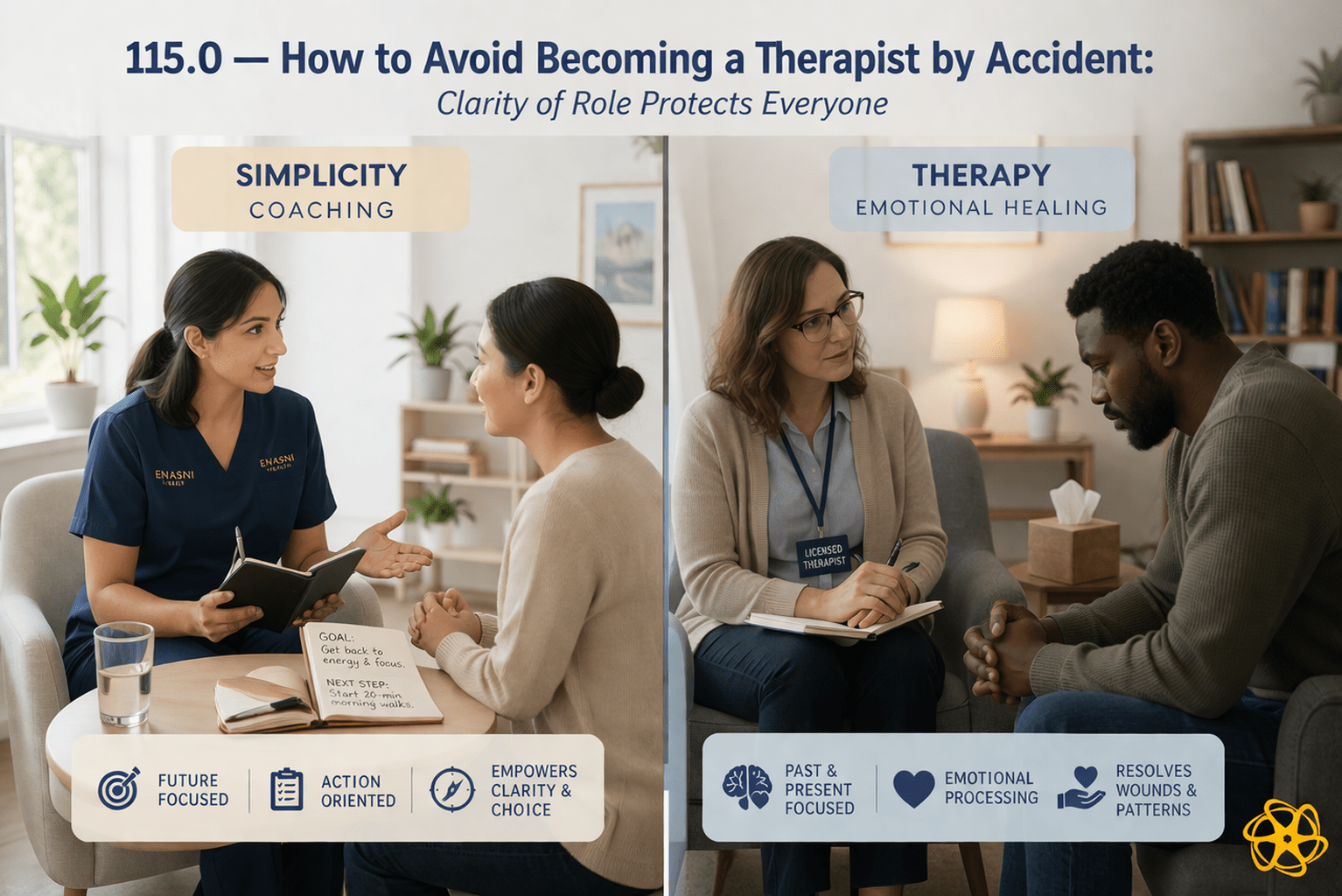
Clarity of Role Protects Everyone Avoiding accidental therapy matters because good intention is far removed from professional appropriateness, and especially because coaching and therapy serve different functions — even when both involve depth, emotion, and insight. Many coaches cross boundaries unintentionally. Not through recklessness, but through care, empathy, and a desire to help. Without role clarity,…
-

Depth Without Damage Coaching beliefs safely and effectively matters because belief sits close to identity, and especially because poorly handled belief work destabilises rather than supports change. Beliefs organise meaning, behaviour, and self-concept. When coaching engages belief without sufficient care, clients experience shame, confusion, or collapse. When belief is coached with precision, safety, and timing, agency…
-
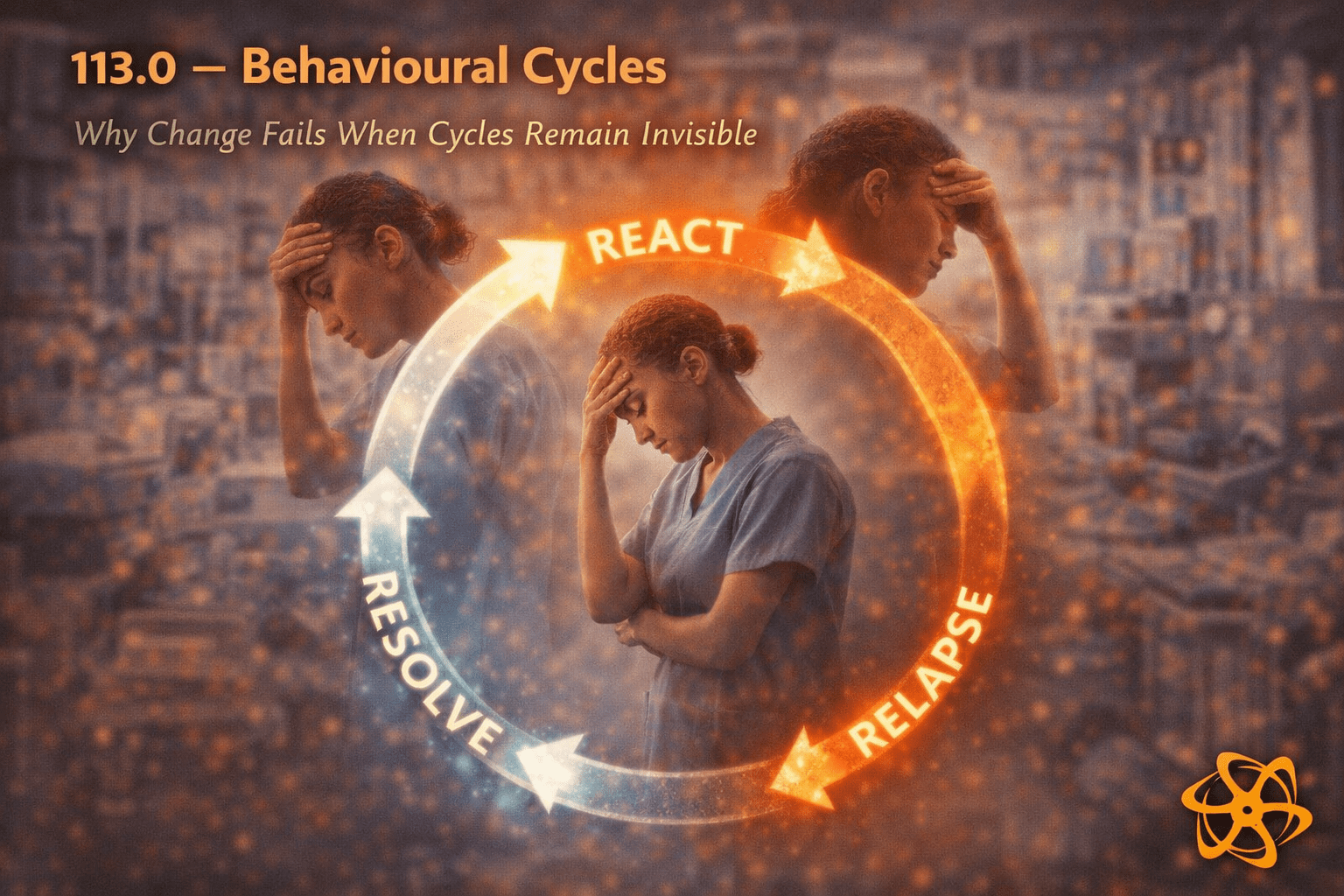
Why Change Fails When Cycles Remain Invisible Behavioural cycles matter because effort is far removed from interruption, and especially because most unwanted behaviours are not isolated actions but self-reinforcing loops. In coaching, behaviour is often addressed as a single event: do less of this, do more of that. When cycles are ignored, behaviour returns — sometimes…
-

The Forces That Move Behaviour Before Thought Arrives Emotional drivers matter because behaviour is far removed from logic alone, and especially because emotion moves first — cognition explains later. In coaching, behaviour is often discussed as choice or habit. In reality, behaviour is frequently initiated, sustained, or avoided due to emotional drivers operating beneath awareness. When…
-
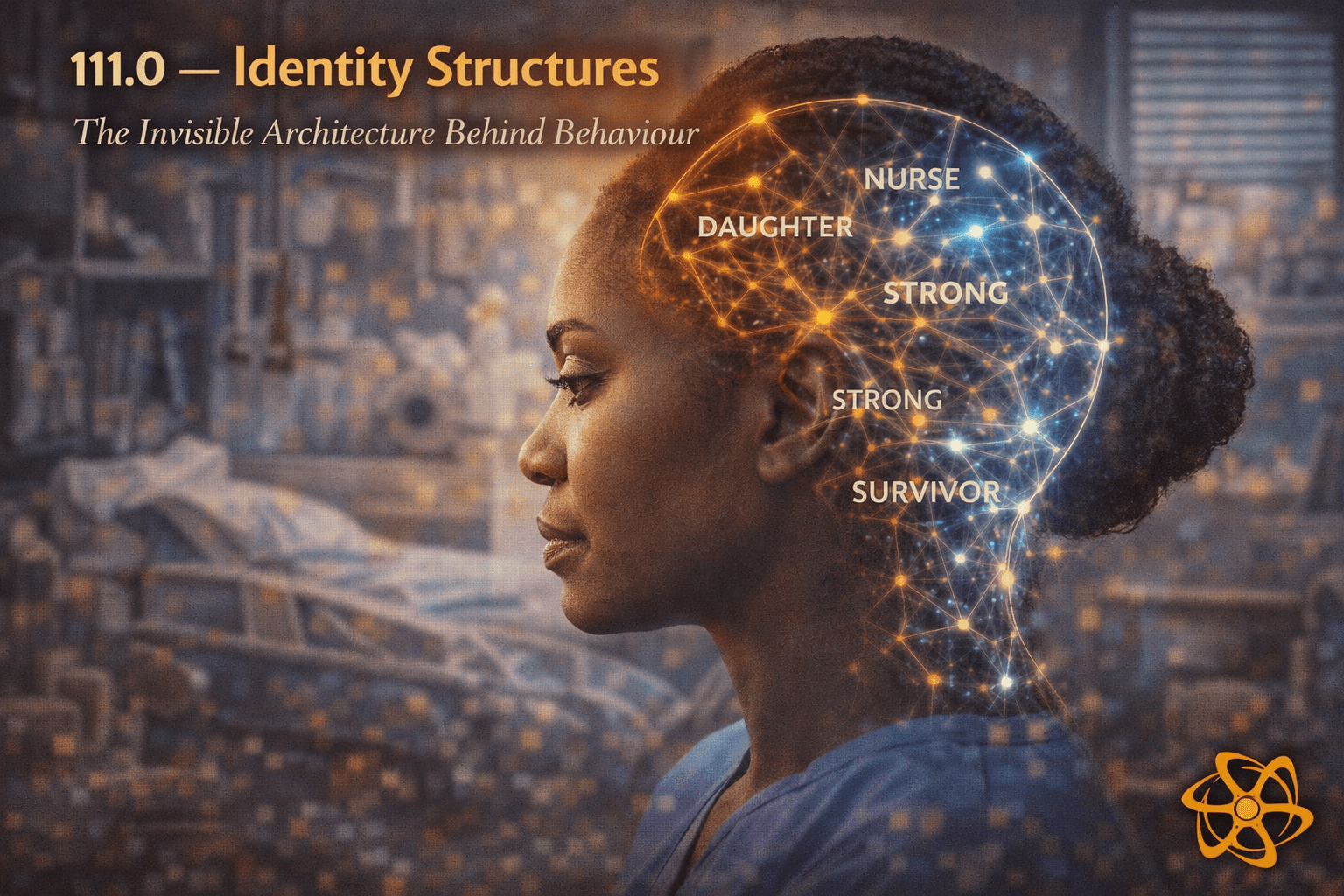
The Invisible Architecture Behind Behaviour Identity structures matter because behaviour is far removed from willpower alone, and especially because what a person does is organised by who they believe themselves to be. In coaching, change efforts often focus on actions, habits, or goals. These approaches stall when identity structures remain unexamined. Identity quietly sets the limits…
-
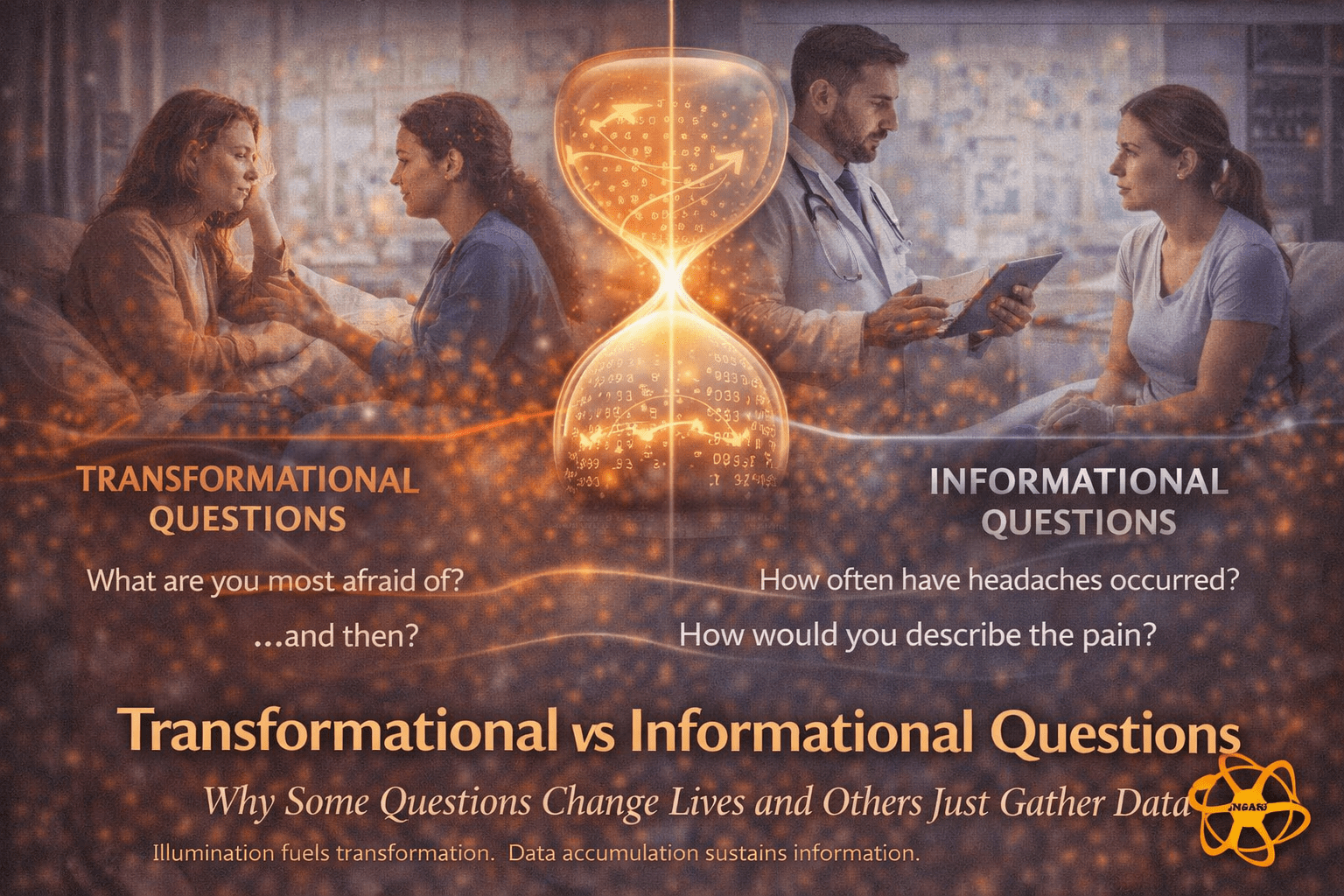
Why Some Questions Change Lives and Others Just Gather Data Transformational versus informational questions matter because insight is far removed from information alone, and especially because not all questions are designed to produce change. In coaching, many questions sound powerful but function primarily to collect data. Others appear simple yet catalyse deep internal movement. The difference…
-

Why Questions Belong in Groups, Not Lists Question families matter because inquiry is far removed from isolated prompts, and especially because effective questioning works through clusters of related attention, not one-off brilliance. In coaching, questions are often collected as lists. In practice, questions function in families — groups of inquiries that share purpose, depth, and direction. Each GROW…