

Tag: DeepCoaching
-

Integrity Is the Intervention Practising ethically matters because technique is far removed from trust on its own, and especially because ethics shape the impact of coaching long after sessions end. Ethics in coaching are often treated as compliance requirements — codes to follow, boxes to tick. In wholeness-informed practice, ethics are lived decisions made moment by…
-

Confidence Emerges From Evidence, Not Assurance Building confidence matters because belief is far removed from stability on its own, and especially because confidence is not something to summon — it is something that forms through lived proof. In coaching development, confidence is often framed as a mindset problem. In reality, confidence is a by-product of repeated, regulated…
-

Visibility Without Compromise Finding coaching clients matters because skill is far removed from sustainability on its own, and especially because ethical visibility is a professional responsibility, not a personality trait. Many capable coaches stall at this stage. Not due to lack of ability, but due to discomfort with visibility, confusion about positioning, or fear of being…
-
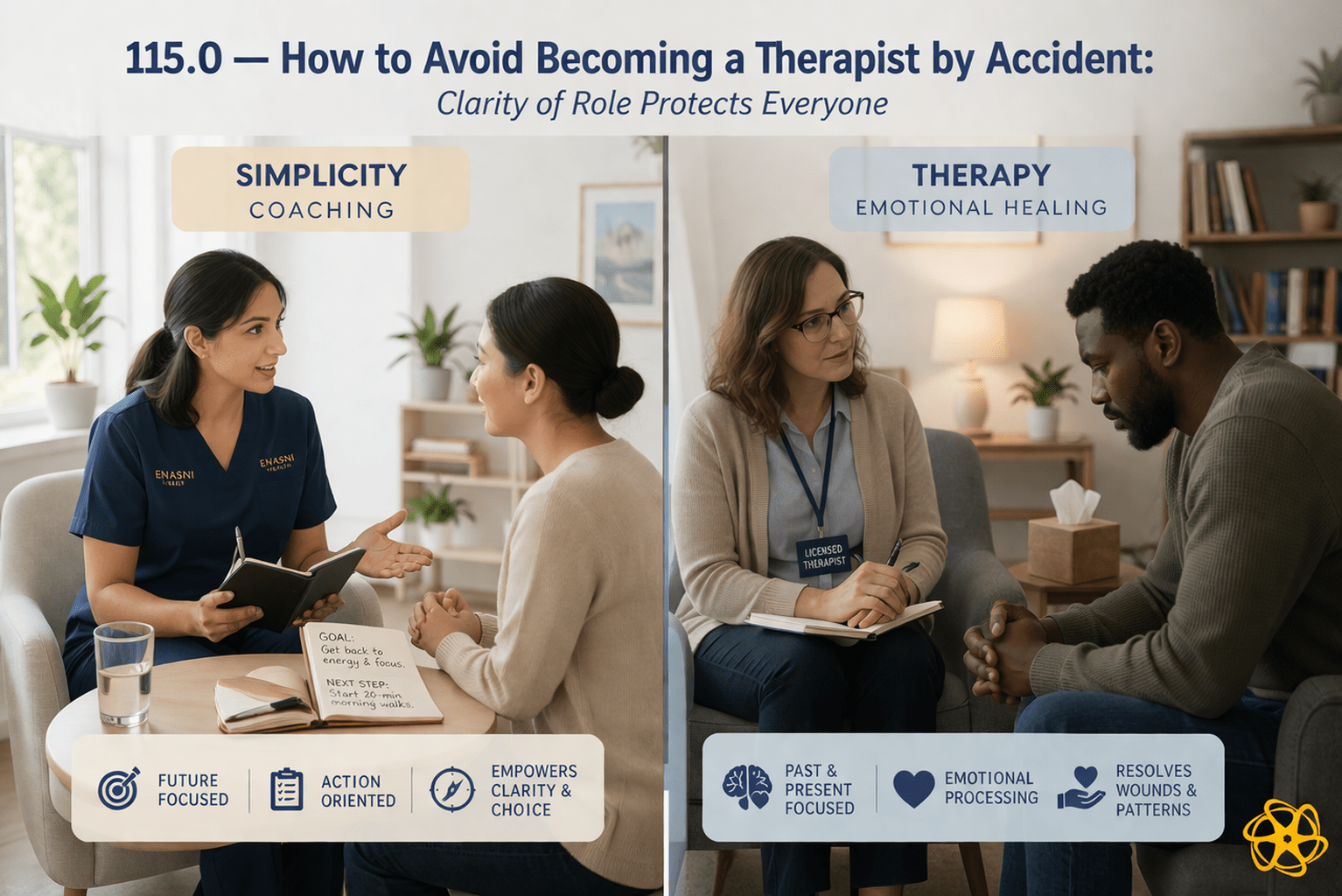
Clarity of Role Protects Everyone Avoiding accidental therapy matters because good intention is far removed from professional appropriateness, and especially because coaching and therapy serve different functions — even when both involve depth, emotion, and insight. Many coaches cross boundaries unintentionally. Not through recklessness, but through care, empathy, and a desire to help. Without role clarity,…
-

Depth Without Damage Coaching beliefs safely and effectively matters because belief sits close to identity, and especially because poorly handled belief work destabilises rather than supports change. Beliefs organise meaning, behaviour, and self-concept. When coaching engages belief without sufficient care, clients experience shame, confusion, or collapse. When belief is coached with precision, safety, and timing, agency…
-
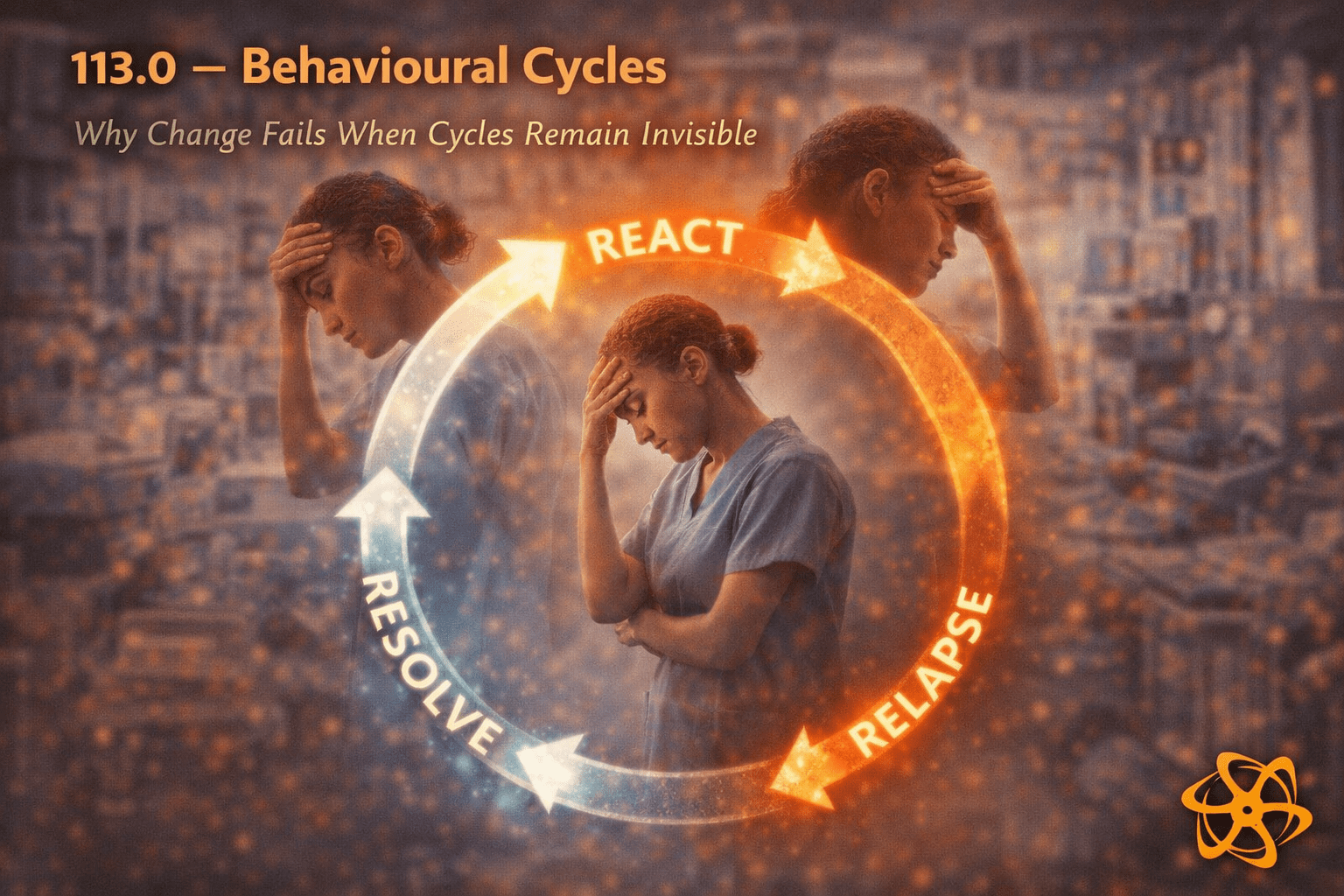
Why Change Fails When Cycles Remain Invisible Behavioural cycles matter because effort is far removed from interruption, and especially because most unwanted behaviours are not isolated actions but self-reinforcing loops. In coaching, behaviour is often addressed as a single event: do less of this, do more of that. When cycles are ignored, behaviour returns — sometimes…
-

The Forces That Move Behaviour Before Thought Arrives Emotional drivers matter because behaviour is far removed from logic alone, and especially because emotion moves first — cognition explains later. In coaching, behaviour is often discussed as choice or habit. In reality, behaviour is frequently initiated, sustained, or avoided due to emotional drivers operating beneath awareness. When…