Integrity Is the Intervention
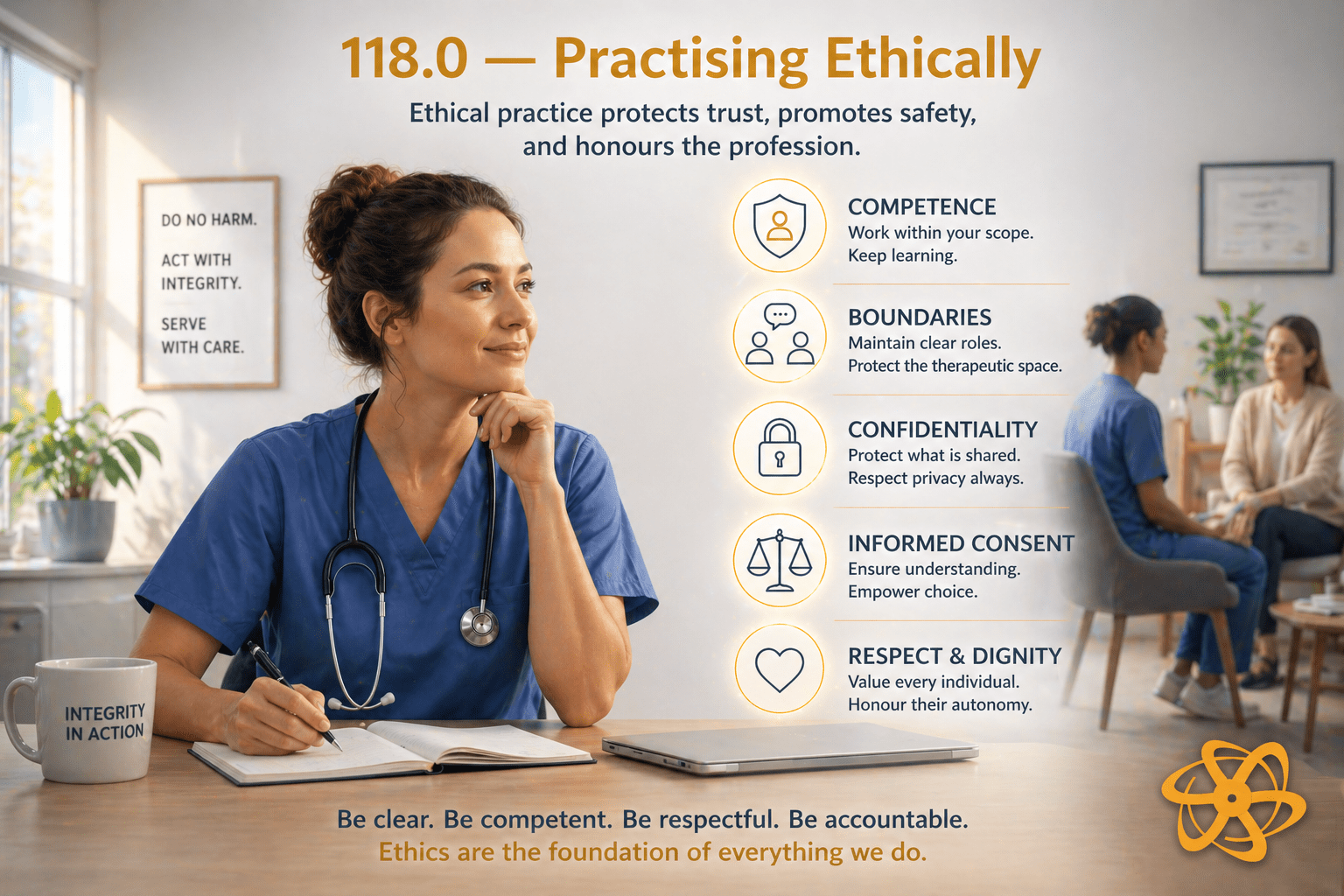
Practising ethically matters because technique is far removed from trust on its own, and especially because ethics shape the impact of coaching long after sessions end.
Ethics in coaching are often treated as compliance requirements — codes to follow, boxes to tick. In wholeness-informed practice, ethics are lived decisions made moment by moment, shaping safety, dignity, and sustainability.
This post reframes ethics as an active practice, instead of a static rule set from a wholeness perspective.
1. What Ethical Practice Actually Is
Ethical practice is not perfection. Say it in your head again.
Ethical practice is this:
- conscious decision-making
- awareness of power and influence
- commitment to client autonomy
- willingness to pause or refer
Ethics operate in real time, not retrospectively. The ultimate test and revealer of one’s discipline and self-control capacity.
2. Why Ethics Are Felt Before They Are Known
Clients feel ethics before they understand them.
Ethical presence communicates:
- safety
- respect
- containment
- reliability
- stability
Breaches are often sensed before they are articulated. Human bodies collect data unconsciously before it does consciously.
3. Power Awareness in Coaching
Coaches hold:
- positional authority
- interpretive influence
- relational impact
Ethical practice requires ongoing awareness of how this power shapes client experience.
Unexamined power creates harm quietly.
4. Boundaries as Ethical Infrastructure
Boundaries define:
- scope
- responsibility
- ownership
They prevent:
- dependency
- role confusion
- overreach
Boundaries protect growth — rathe than limit it.
5. Ethics Beyond the Code
Professional codes provide guidance.
Ethical maturity requires:
- judgement
- reflection
- supervision
- willingness to hold complexity
Not every ethical dilemma has a rule-based answer. Think about it. What other answer taxonomies exist? What does your research reveal?
6. Transparency and Informed Choice
Ethical coaching includes:
- clear contracting
- honest capability statements
- fee transparency
- realistic expectations
Informed choice preserves dignity.
7. Repair as Ethical Skill
Mistakes happen.
Ethical practice includes:
- naming missteps
- repairing ruptures
- restoring trust
Avoidance deepens harm.
Repair rebuilds integrity.
8. Ethics as Ongoing Commitment
Ethics are not achieved.
They are practiced. They are supposed to be practised in every choice.
Each session renews the commitment to:
- serve rather than influence
- support rather than direct
- protect rather than perform
In Essence
Ethics is far removed from being an overlay on coaching.
They are the foundation that makes coaching safe, sustainable, and worthy of trust.
Integrity is the intervention.
Key Learning Points (KLPs)
- Ethics are lived, not just codified
- Clients feel ethics before they analyse them
- Power awareness is essential
- Boundaries protect autonomy
- Codes guide, judgement decides
- Repair is an ethical skill
- Ethics require ongoing practice
Action Points (APs)
- Reflect on power and influence in sessions
- Strengthen contracting and transparency
- Use supervision to navigate ethical complexity
Keywords
ethical coaching practice, coaching ethics, applied wholeness, coaching judgement, professional integrity, ethical decision making, supervision in coaching, Enasni Connections