

Tag: EnasniConnections
-
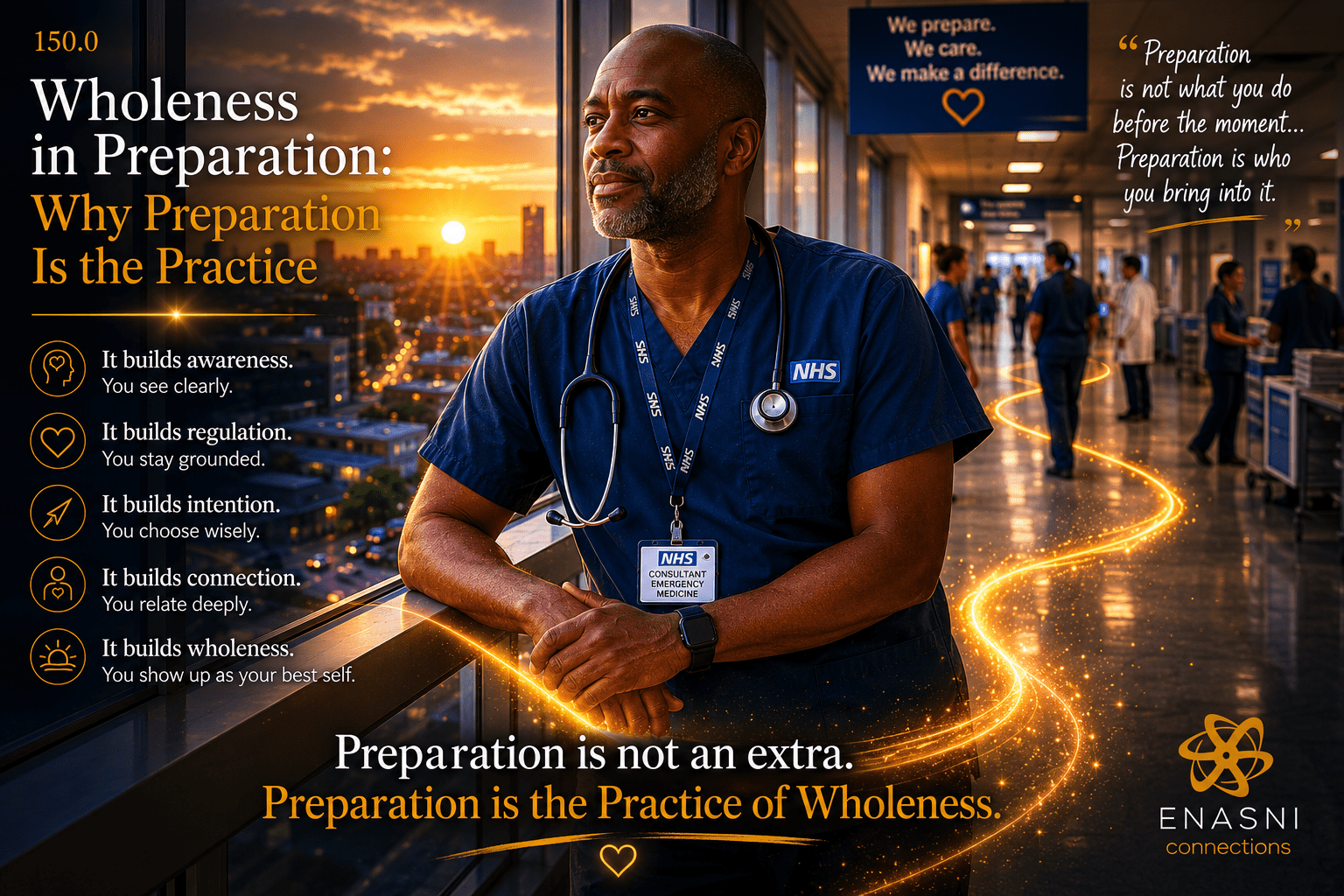
Why Preparation Is the Practice Wholeness matters because wellbeing is far removed from wellness on its own, and especially because preparation is the mechanism that integrates mind, body, identity, behaviour, and responsibility into a coherent lived system. This post brings the preparation series to completion by clarifying the role of wholeness, how wellbeing and wellness contribute…
-

Long-Term Preparation: Becoming the Coach You Practise Being. Long-term preparation matters because technique is far removed from mastery on its own, and especially because coaching excellence emerges from sustained habits of learning, reflection, and professional accountability over time. This post clarifies long-term preparation — how coaches maintain sharpness, relevance, and ethical steadiness across years of practice…
-
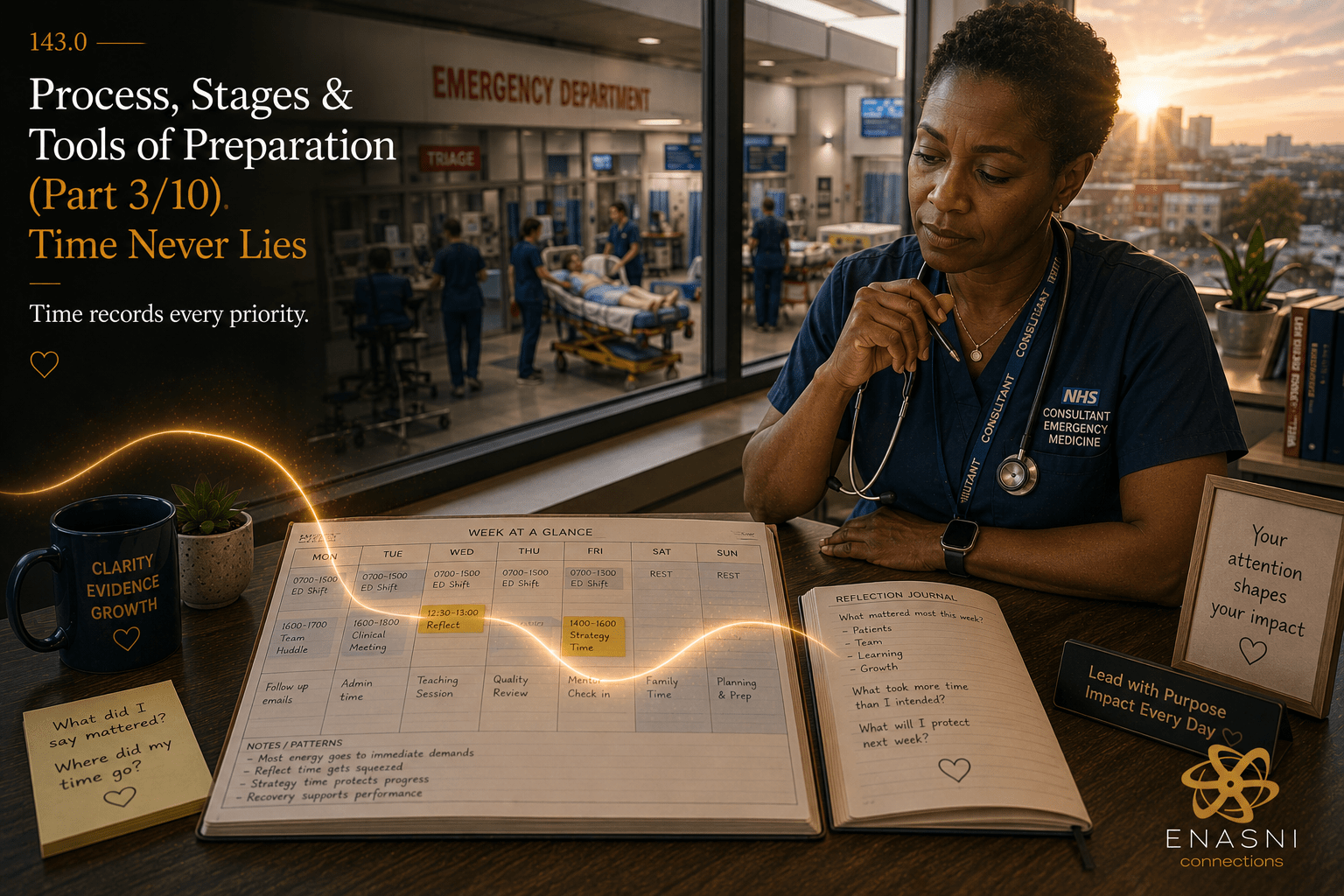
Time Never Lies This stage of preparation matters because intention is far removed from behaviour on its own, and especially because how time is actually spent reveals priorities more accurately than what is said or hoped for. This post clarifies the third preparation stage: using time awareness to surface unconscious priorities, wasted effort, and misaligned energy…
-
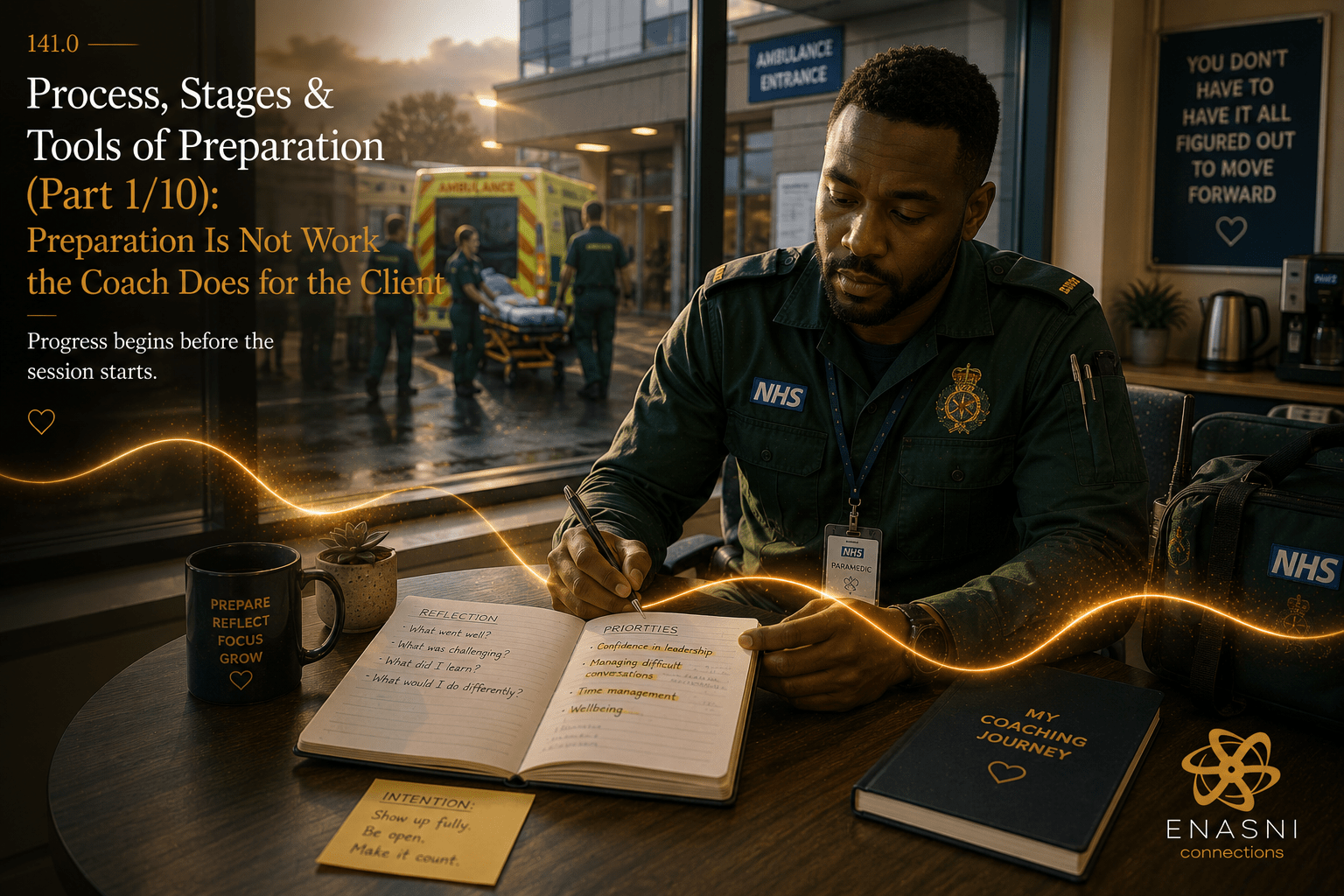
Preparation Is Not Work the Coach Does for the Client Preparation matters because memory is far removed from momentum on its own, and especially because coaching only becomes sustainable when responsibility for recall, reflection, and action sits with the client. This post clarifies the first stage of preparation in coaching — how information is recorded, who…
-

What You Do Before Coaching Determines Everything That Follows Running an intake session matters because momentum is far removed from alignment on its own, and especially because what happens before coaching formally begins determines clarity, safety, and effectiveness later. This post distils key insights from a professional discussion on running intake sessions, clarifying purpose, structure, and…
-

Where Coaching Becomes Real Contracting matters because good intention is far removed from sustainability on its own, and especially because without a clear agreement, coaching drifts into ambiguity, emotional labour, and boundary confusion. This post clarifies why a coaching agreement is not administrative formality but the structural backbone of the coaching relationship, shaping commitment, continuity, responsibility, and…
-
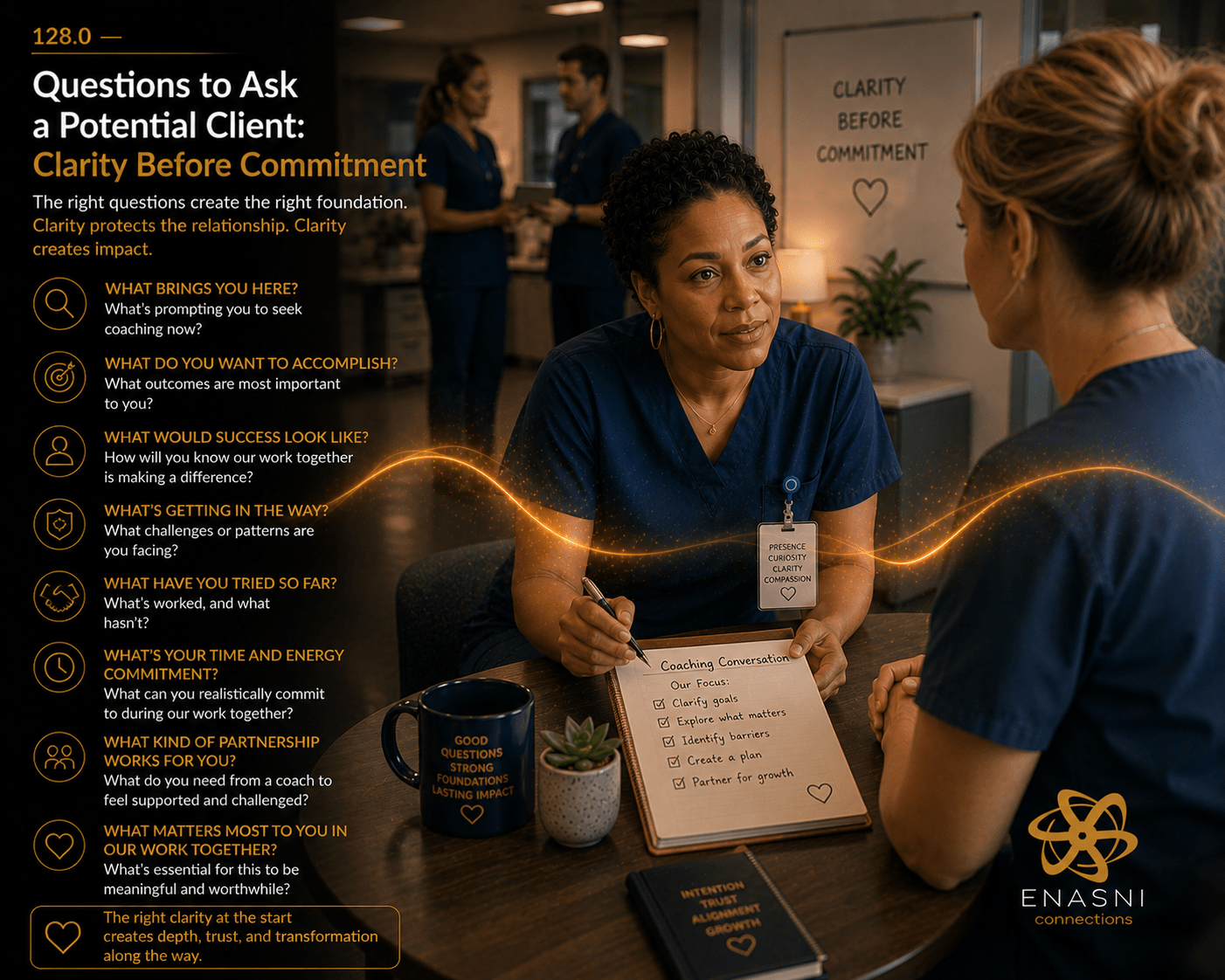
Clarity Before Commitment Asking the right questions matters because alignment is far removed from assumption, and especially because the intake conversation determines safety, suitability, and effectiveness long before coaching begins. This post clarifies which questions support discernment, readiness, and mutual clarity during early contact and intake, ensuring coaching begins on clean ground from a wholeness perspective.