

Category: Wholeness
-

Personal Energy Sink Triggers: Pest Control for the Inner World This stage of preparation matters because intention is far removed from capacity on its own, and especially because unidentified energy drains quietly undermine focus, motivation, and follow-through. This post introduces a deliberately light but powerful preparation activity designed to surface personal energy sink triggers — the…
-
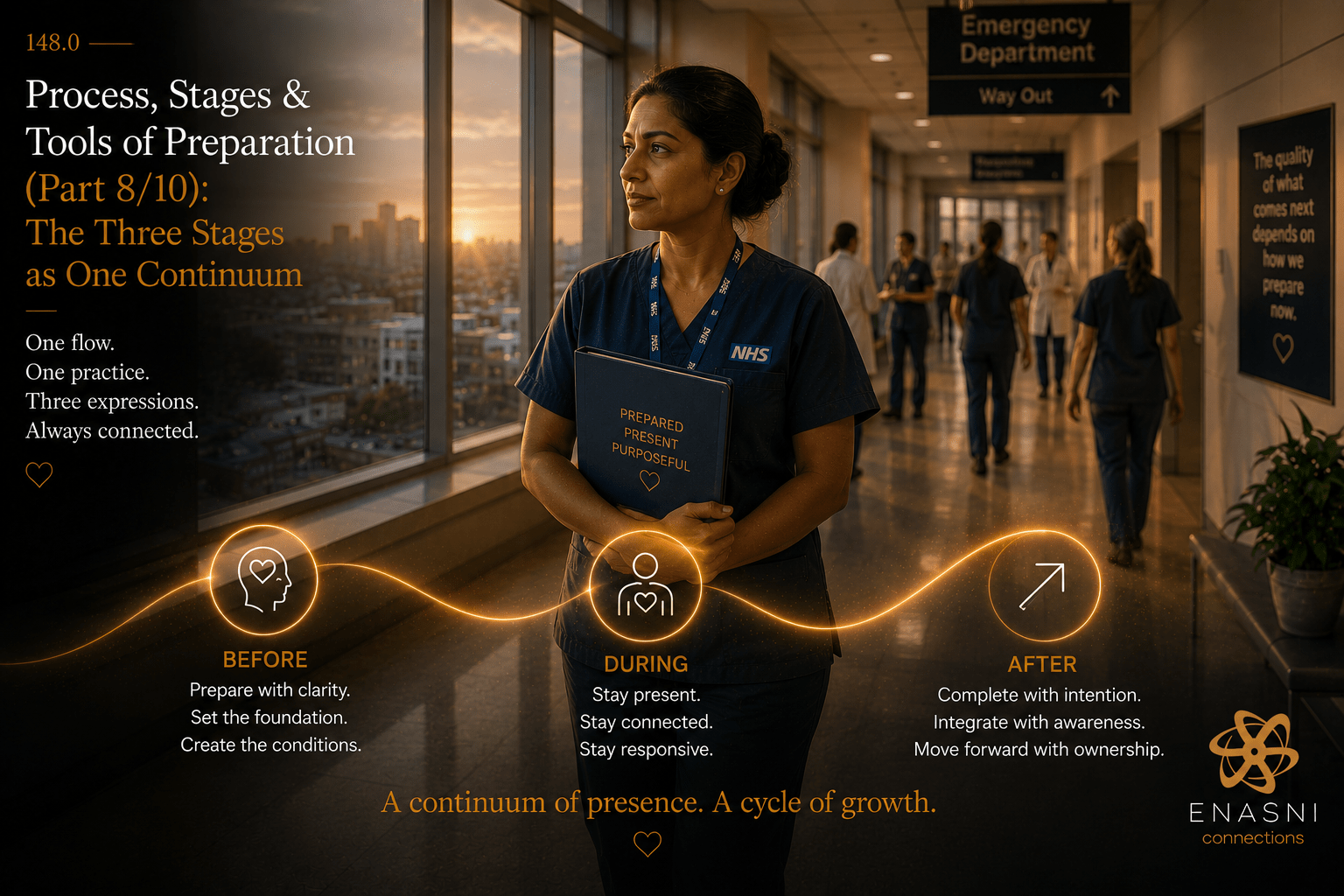
The Three Stages as One Continuum Preparation matters because separation is far removed from coherence on its own, and especially because long-, medium-, and short-term preparation only work when understood as a continuous system rather than isolated acts. This post reconnects the three stages of preparation into one living flow — long-term development, medium-term attunement, and…
-

Drawing the Session to a Close Closing a coaching session matters because insight is far removed from integration on its own, and especially because what happens in the final minutes determines whether learning lands or leaks away. This post clarifies how to draw a coaching session to a close cleanly, calmly, and purposefully — ensuring responsibility…
-

Long-Term Preparation: Becoming the Coach You Practise Being. Long-term preparation matters because technique is far removed from mastery on its own, and especially because coaching excellence emerges from sustained habits of learning, reflection, and professional accountability over time. This post clarifies long-term preparation — how coaches maintain sharpness, relevance, and ethical steadiness across years of practice…
-
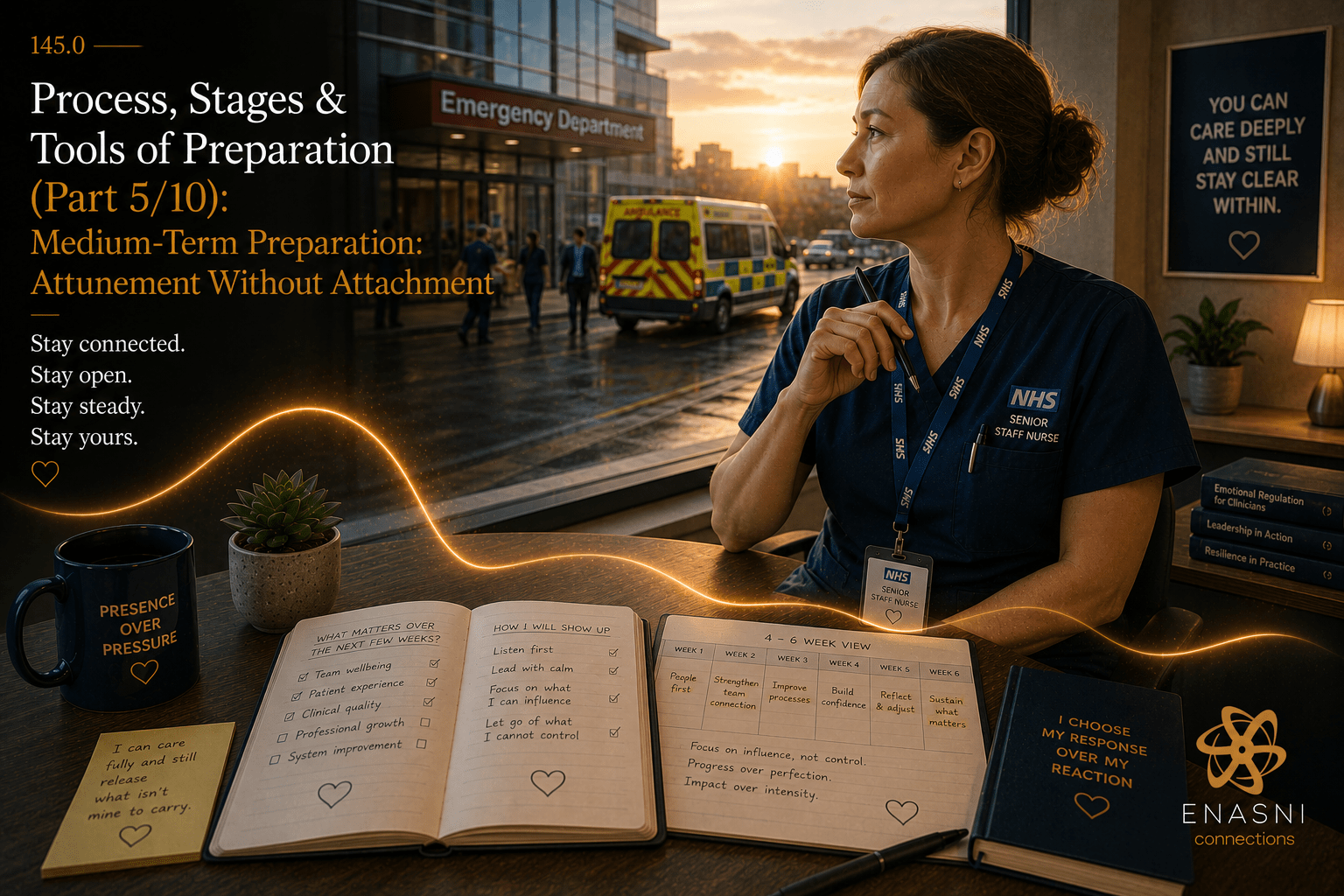
Medium-Term Preparation: Attunement Without Attachment Medium-term preparation matters because familiarity is far removed from attunement on its own, and especially because effective coaching requires the coach to arrive informed but not overloaded. This post clarifies medium-term preparation — how the coach prepares between sessions and across a relationship — ensuring the coach is client-specific, present, and aligned without…
-
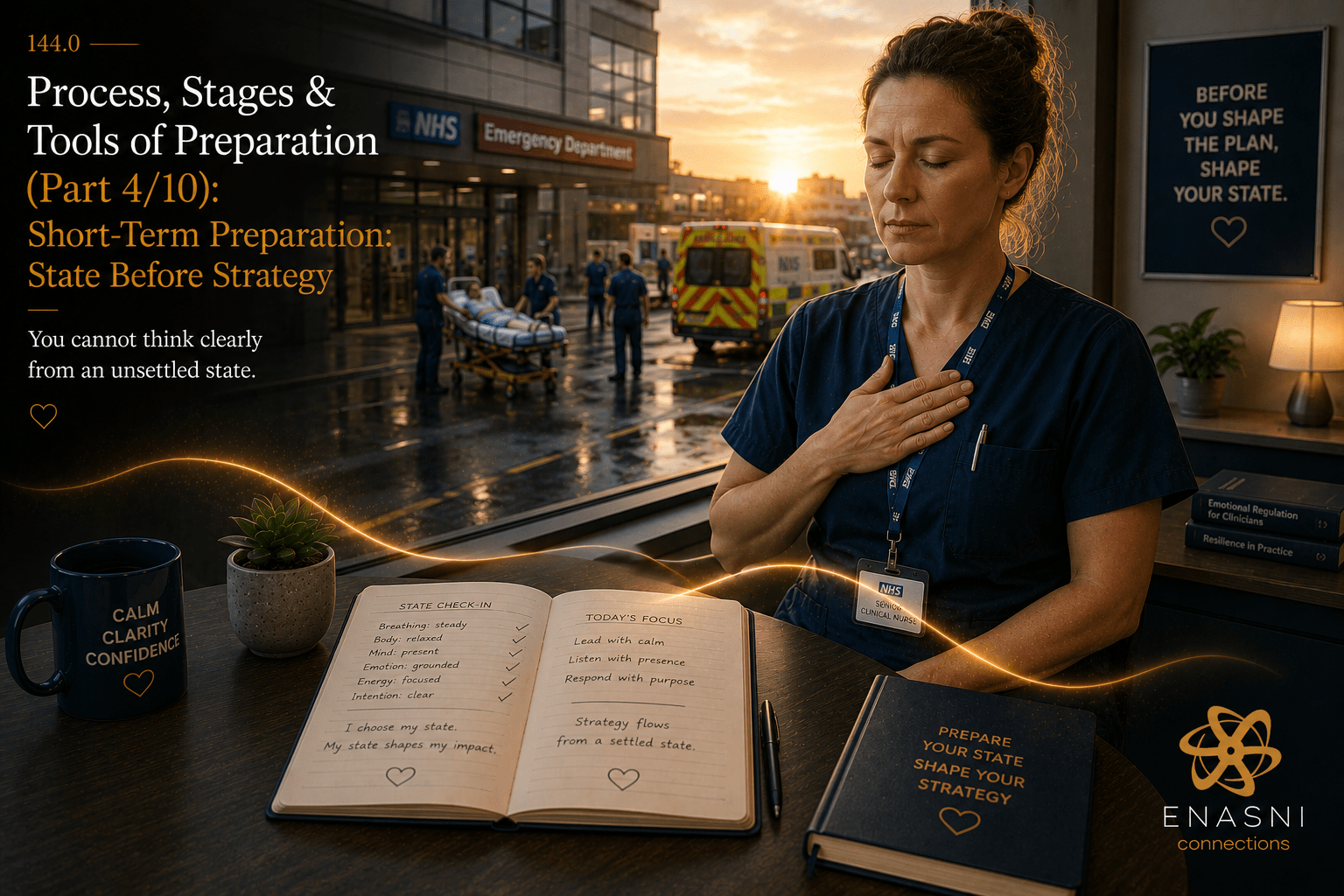
Short-Term Preparation: State Before Strategy Short-term preparation matters because technique is far removed from impact on its own, and especially because the coach’s internal state shapes the session more powerfully than the words spoken. This post clarifies short-term or immediate preparation — what happens in the minutes (or seconds) before a session — and why preparation…
-
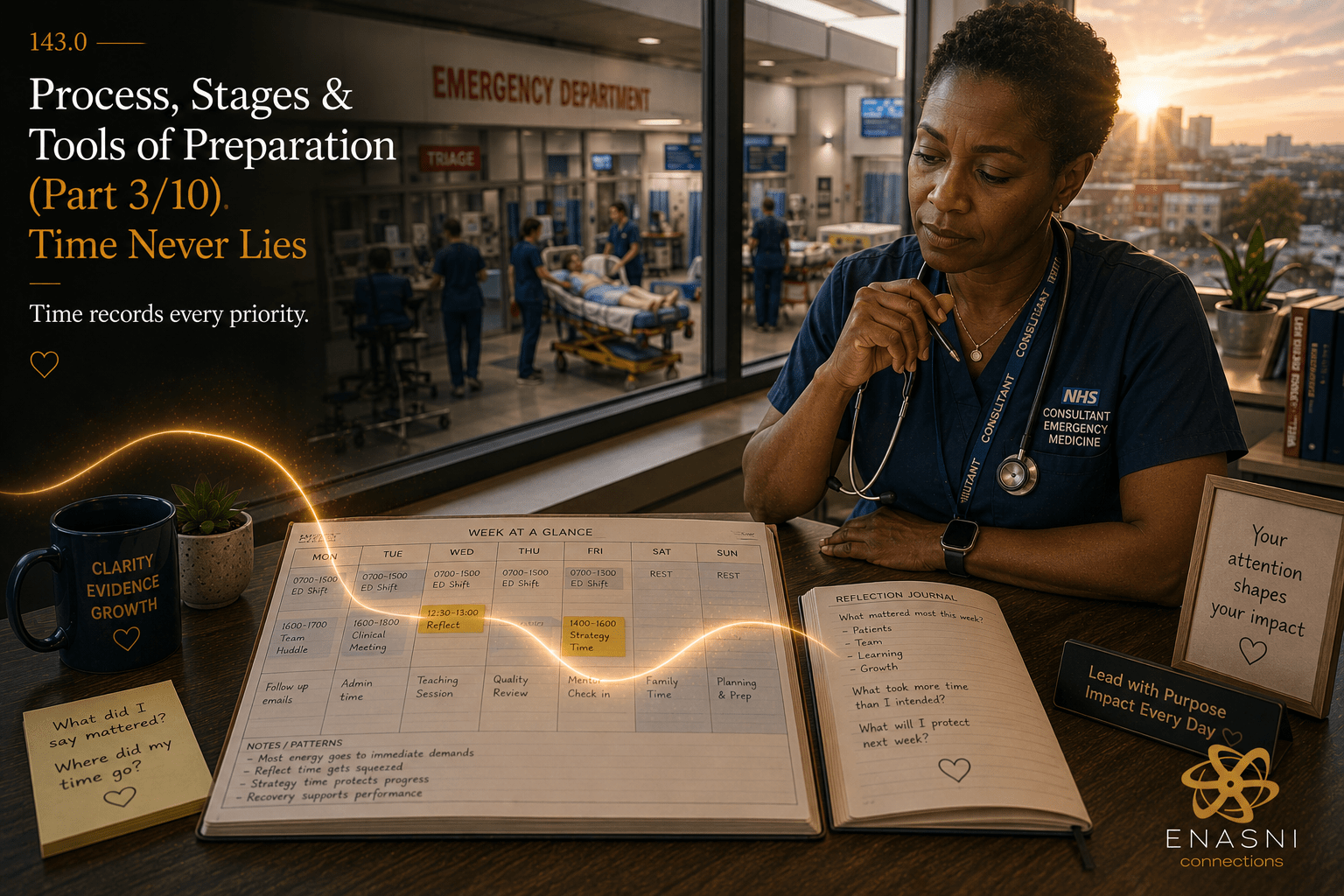
Time Never Lies This stage of preparation matters because intention is far removed from behaviour on its own, and especially because how time is actually spent reveals priorities more accurately than what is said or hoped for. This post clarifies the third preparation stage: using time awareness to surface unconscious priorities, wasted effort, and misaligned energy…