

Category: Wholeness
-

Where Information, Responsibility, and Respect Are Clarified A professional exchange matters because good intention is far removed from professional clarity on its own, and especially because coaching begins to work only once roles, responsibility, and direction are explicitly named. This post clarifies how the intake conversation functions as a professional exchange of information, expectations, and responsibility…
-

What You Do Before Coaching Determines Everything That Follows Running an intake session matters because momentum is far removed from alignment on its own, and especially because what happens before coaching formally begins determines clarity, safety, and effectiveness later. This post distils key insights from a professional discussion on running intake sessions, clarifying purpose, structure, and…
-

Exploring how others structure their intake process matters because exposure is far removed from alignment on its own, and especially because what works for one coach may quietly undermine another if copied without judgement. This post explores alternative intake approaches used by other coaches, not to prescribe a method, but to sharpen discernment around why intake…
-
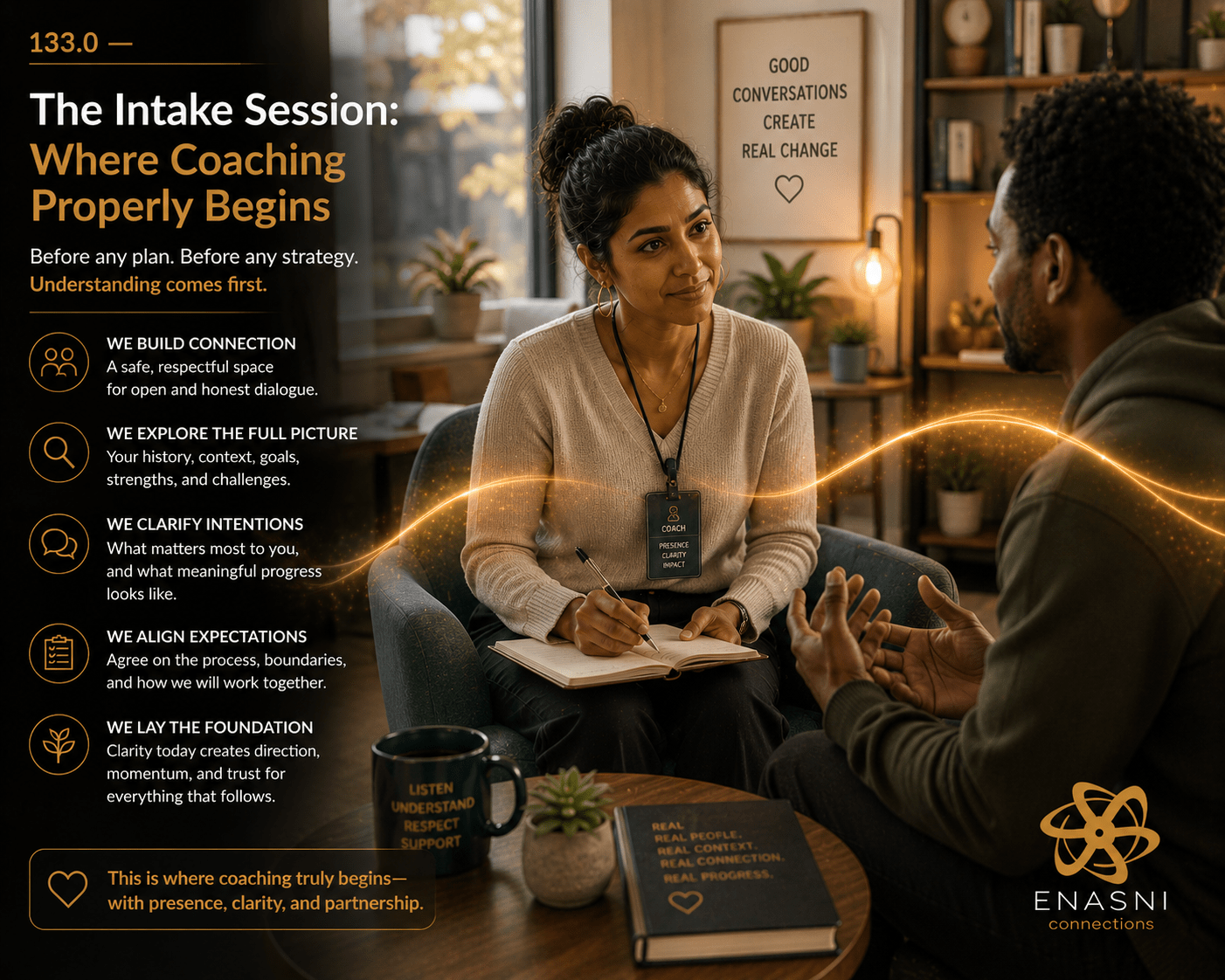
Where Coaching Properly Begins The intake session matters because momentum is far removed from clarity on its own, and especially because the first formal session establishes safety, authority, orientation, and responsibility for the entire coaching relationship. This post clarifies what the intake session is for, how it is structured, and why it is deliberately longer, slower,…
-

How Coaches Get Pulled Off-Centre — and How to Step Out Understanding the Karpman Drama Triangle matters because good intention is far removed from clean coaching, and especially because unnoticed relational games quietly dismantle boundaries, ethics, and effectiveness. This post explores how the Karpman Drama Triangle operates inside coaching relationships, how coaches are pulled into roles…
-
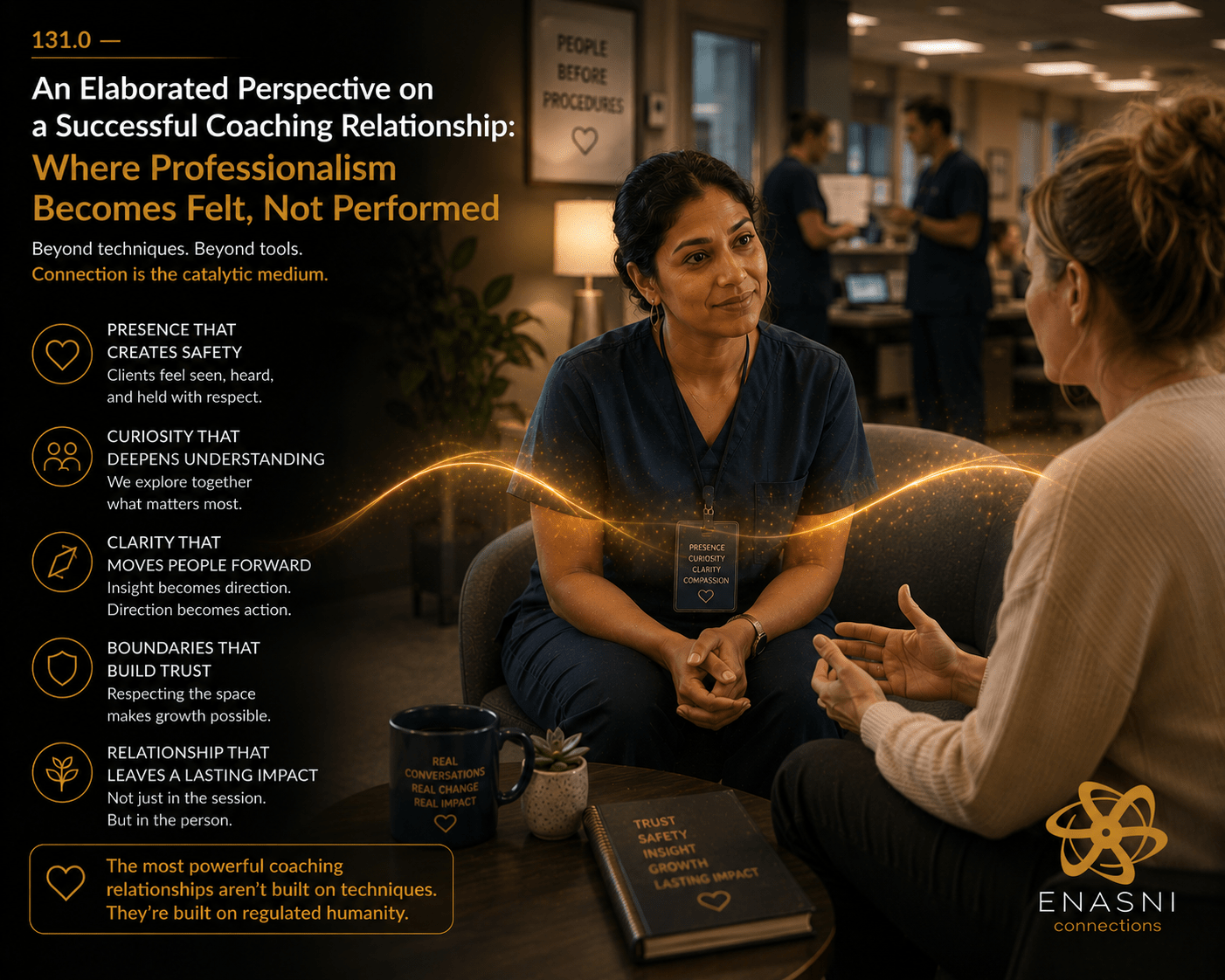
Where Professionalism Becomes Felt, Not Performed A successful coaching relationship matters because techniques are far removed from trust on their own, and especially because clients experience safety, credibility, and progress through the consistency of the relationship rather than the brilliance of any single intervention. This post deepens the characteristics of a successful coaching relationship by grounding…
-
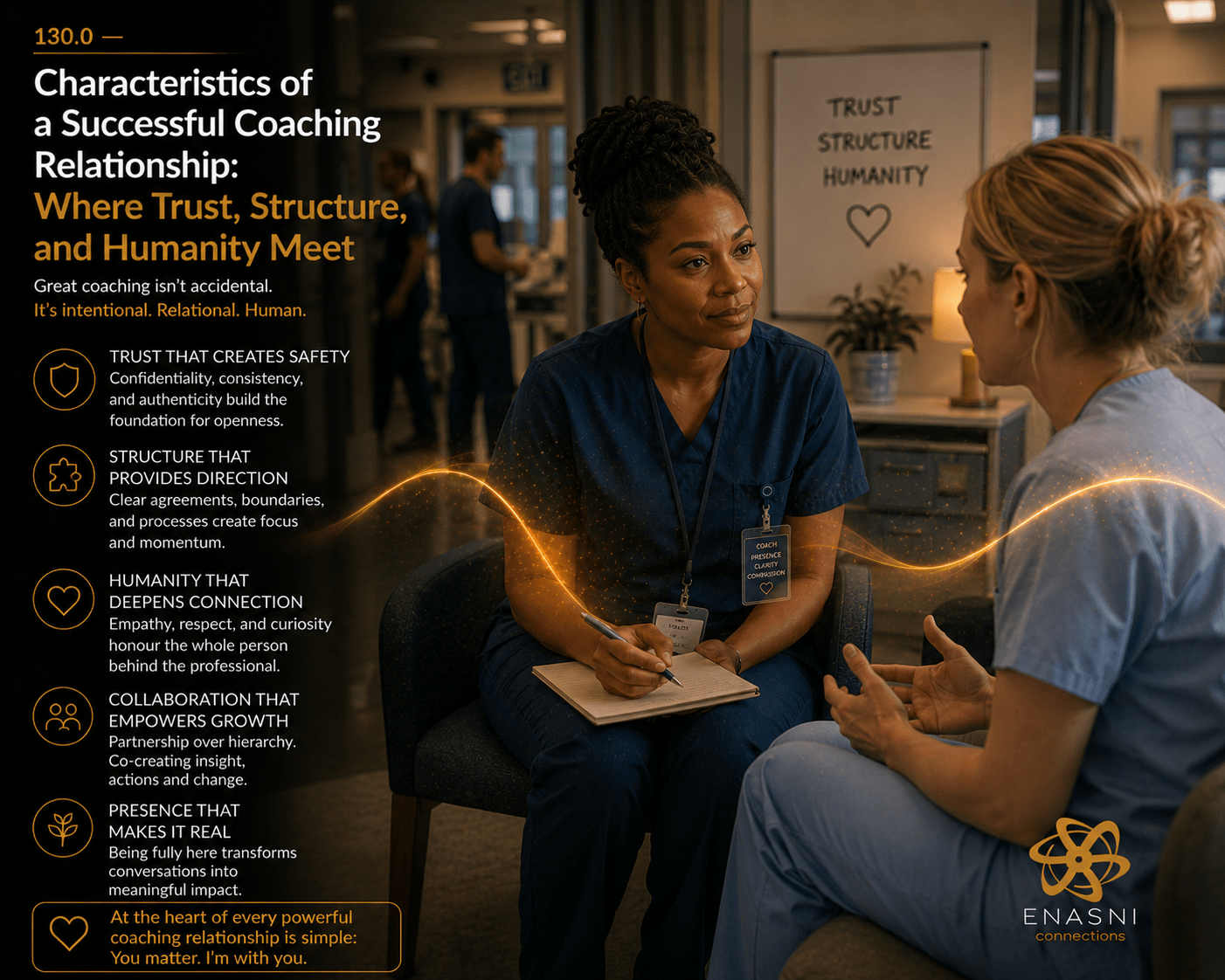
Where Trust, Structure, and Humanity Meet A successful coaching relationship matters because insight is far removed from impact on its own, and especially because coaching only works when predictability, respect, and clarity are built into the relationship itself. This post clarifies the core characteristics that allow a coaching relationship to function effectively, ethically, and sustainably over…