

Tag: CoachingJudgement
-
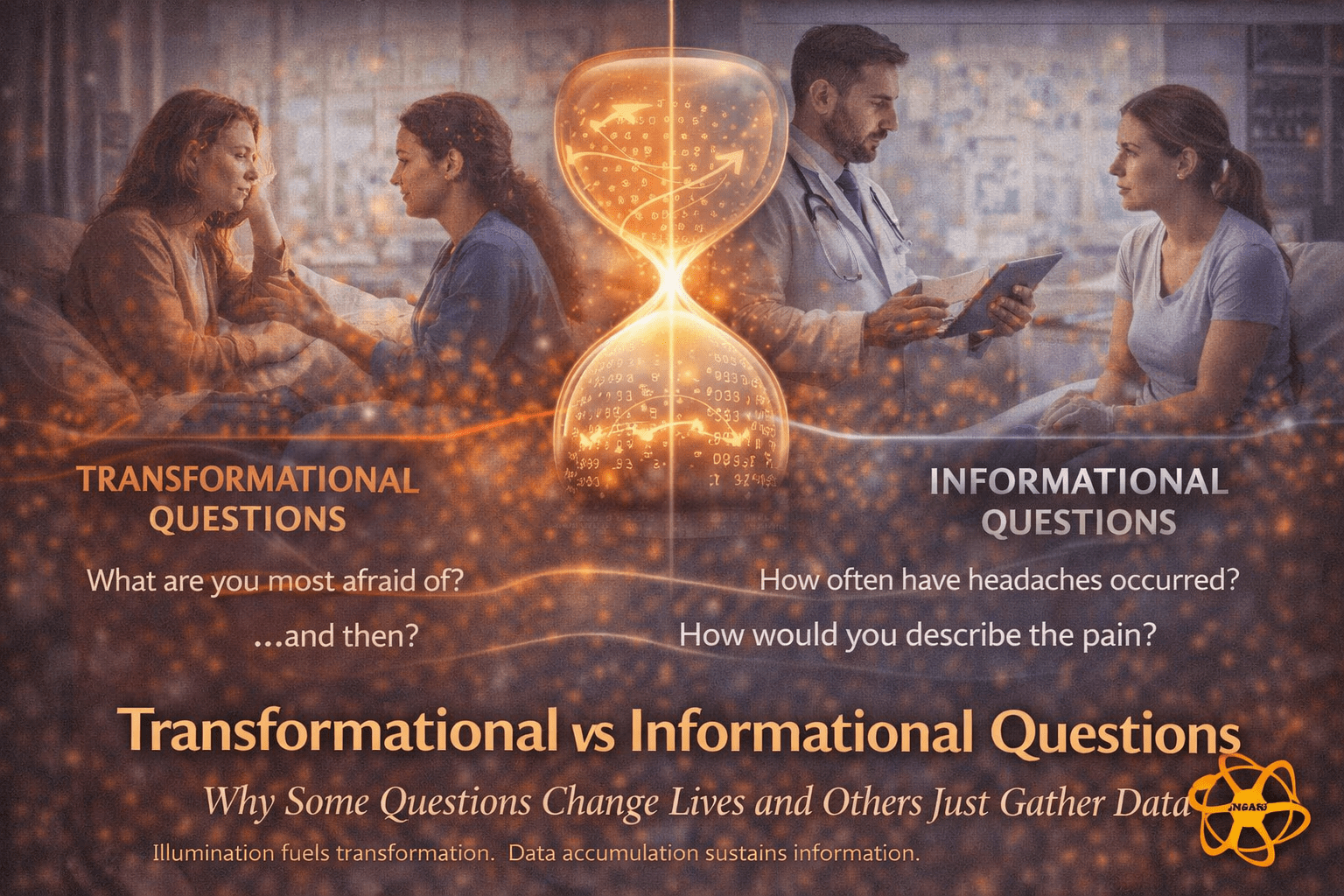
Why Some Questions Change Lives and Others Just Gather Data Transformational versus informational questions matter because insight is far removed from information alone, and especially because not all questions are designed to produce change. In coaching, many questions sound powerful but function primarily to collect data. Others appear simple yet catalyse deep internal movement. The difference…
-

Why Questions Belong in Groups, Not Lists Question families matter because inquiry is far removed from isolated prompts, and especially because effective questioning works through clusters of related attention, not one-off brilliance. In coaching, questions are often collected as lists. In practice, questions function in families — groups of inquiries that share purpose, depth, and direction. Each GROW…
-

Why Impact Is Designed, Not Accidental Powerful questions matter because influence is far removed from clever wording, and especially because the effectiveness of a question is determined by its internal structure, not its surface form. In coaching, questions are often evaluated by how they sound. In practice, what matters is what the question does — where it directs…
-

Why the Right Question at the Wrong Time Causes Harm Questions misfire because intent is far removed from impact, and especially because a question asked without readiness, regulation, or precision can destabilise rather than support. In coaching, questions are often assumed to be neutral or inherently helpful. They are not. Every question intervenes in the system.…
-
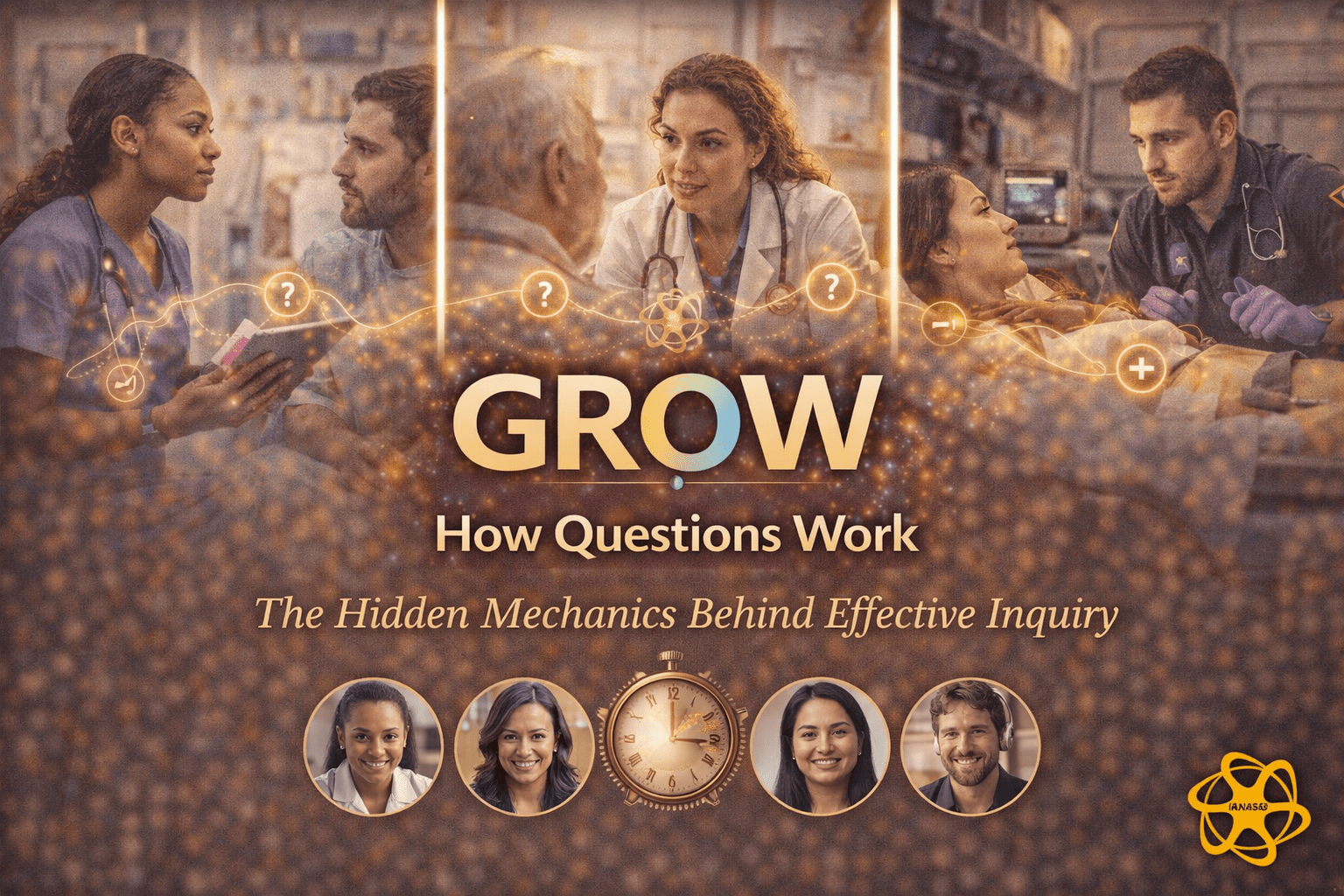
The Hidden Mechanics Behind Effective Inquiry Questions work not by clever wording alone, but by how they move attention, regulate state, and reorganise meaning. Understanding how questions work matters because misuse creates confusion, pressure, or shutdown — while precision creates clarity, agency, and movement. This post breaks down the internal mechanics that make a question effective.
-
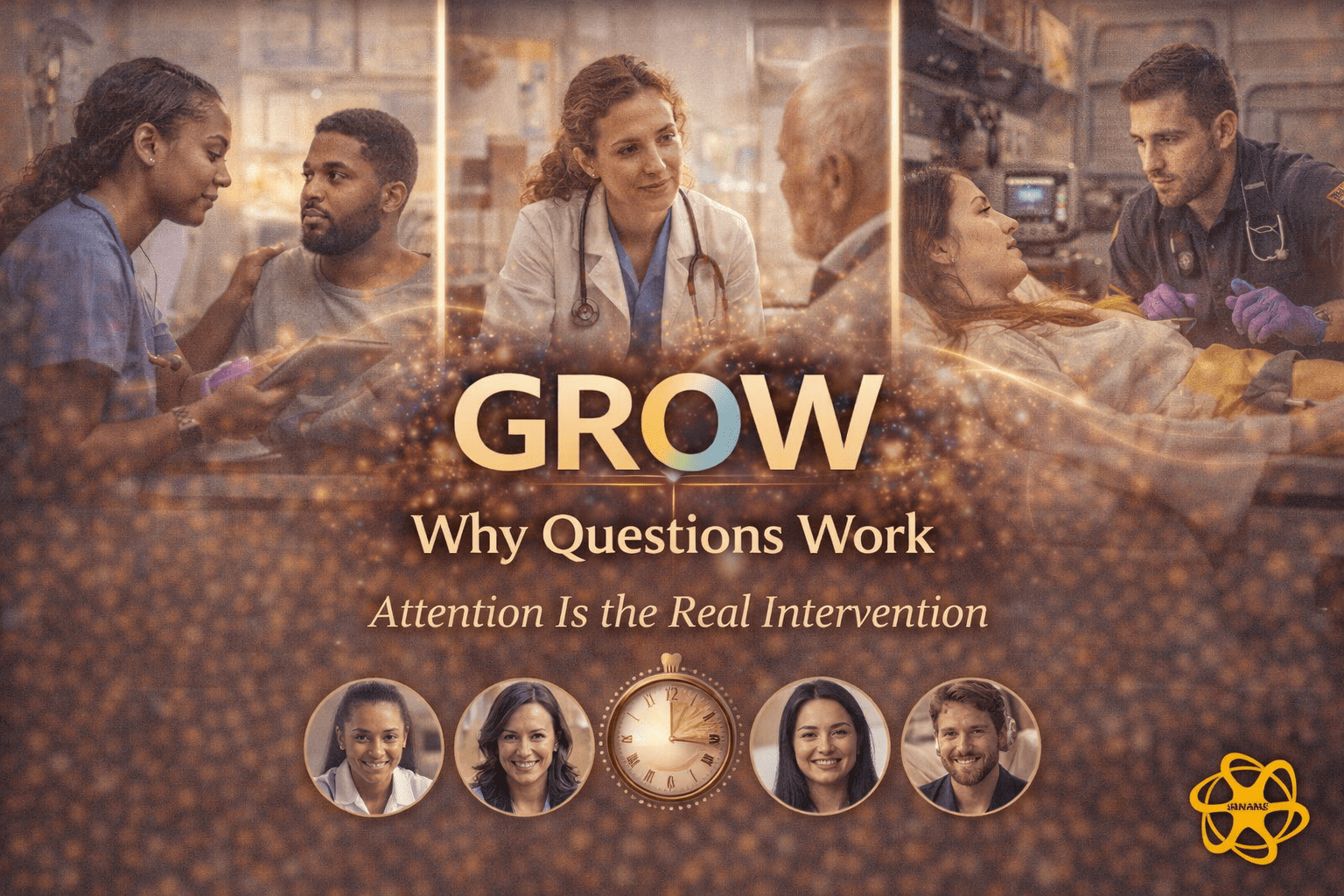
Attention Is the Real Intervention Questions work because change is far removed from advice alone, and especially because questions direct attention — and attention shapes experience. In coaching, questions are often treated as conversational tools. In reality, questions function as mechanisms of perception. They reorganise focus, interrupt automatic patterns, and create space for choice to emerge. This…
-

From Insight to Integrated Movement Action creation matters because insight is far removed from change on its own, and especially because action that is misaligned with capacity, identity, or regulation collapses rather than compounds. In coaching, action is often treated as the final step. In wholeness-informed practice, action is a design process — shaped by readiness, system awareness,…