

Tag: EthicalCoaching
-

Capacity Without Carrying Emotional holding matters because support is far removed from absorption, and especially because holding emotion is not the same as carrying it. In coaching, clients bring intensity, vulnerability, confusion, and hope. The coach’s role is to hold emotional space without taking responsibility for emotional outcomes. Boundary clarity makes this possible. This post brings…
-

Connection Without Collapse Rapport matters because trust is far removed from sameness, and especially because effective rapport preserves distinction while creating safety. In coaching, rapport is often misunderstood as deep personal alignment or emotional merging. While empathy is essential, over-identification quietly erodes judgement, blurs boundaries, and shifts focus away from the client’s growth. This post clarifies…
-
The Condition That Makes Coaching Possible. Presence matters because technique is far removed from transformation, and especially because presence is the condition that allows every other coaching skill to work. In coaching conversations, presence is often referenced vaguely. It is described as being “fully there” or “attentive.” In practice, presence is a disciplined state of regulation,…
-

Authority, Agency, and the Final Return to Choice This principle matters because growth is far removed from permission granted by others, and especially because the most enduring limitations are often borrowed, rather than inherent. In coaching conversations — and in professional development more broadly — external authority frequently becomes internal law. Opinions, assessments, projections, and comparisons…
-

Why Competence Precedes Certainty. Confidence matters because paralysis is far removed from lack of ability, and especially because confidence is often misunderstood as something that must exist before action, rather than something that emerges because of action. In coaching development, confidence is frequently treated as a gatekeeper. Coaches believe confidence must arrive before clients, before visibility, before…
-
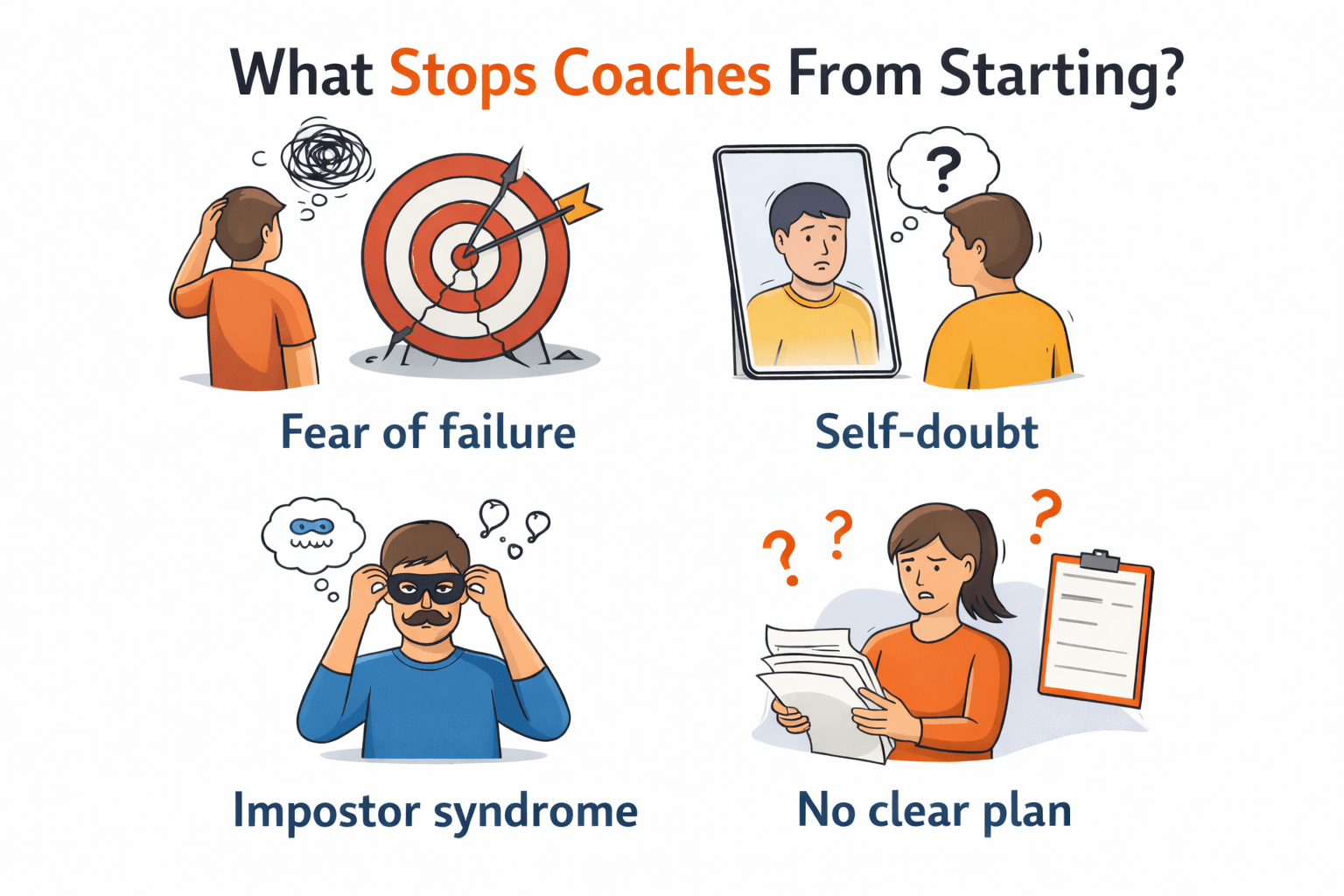
The Invisible Barriers Before the First Client What stops coaches from starting matters because hesitation is far removed from lack of capability, and especially because many coaches delay beginning not due to incompetence, but due to unexamined belief, identity tension, and misplaced standards. In coaching development, starting is often framed as a logistical step. In reality,…
-
Limiting beliefs appear at every stage of coaching practice. What changes is not their presence, but how they are recognised, held, and engaged. Early coaching and masterly coaching do not differ in intention. They differ in judgement, pacing, and depth of perception. This post clarifies that progression from a wholeness perspective.