
Tag: EnasniConnections
-

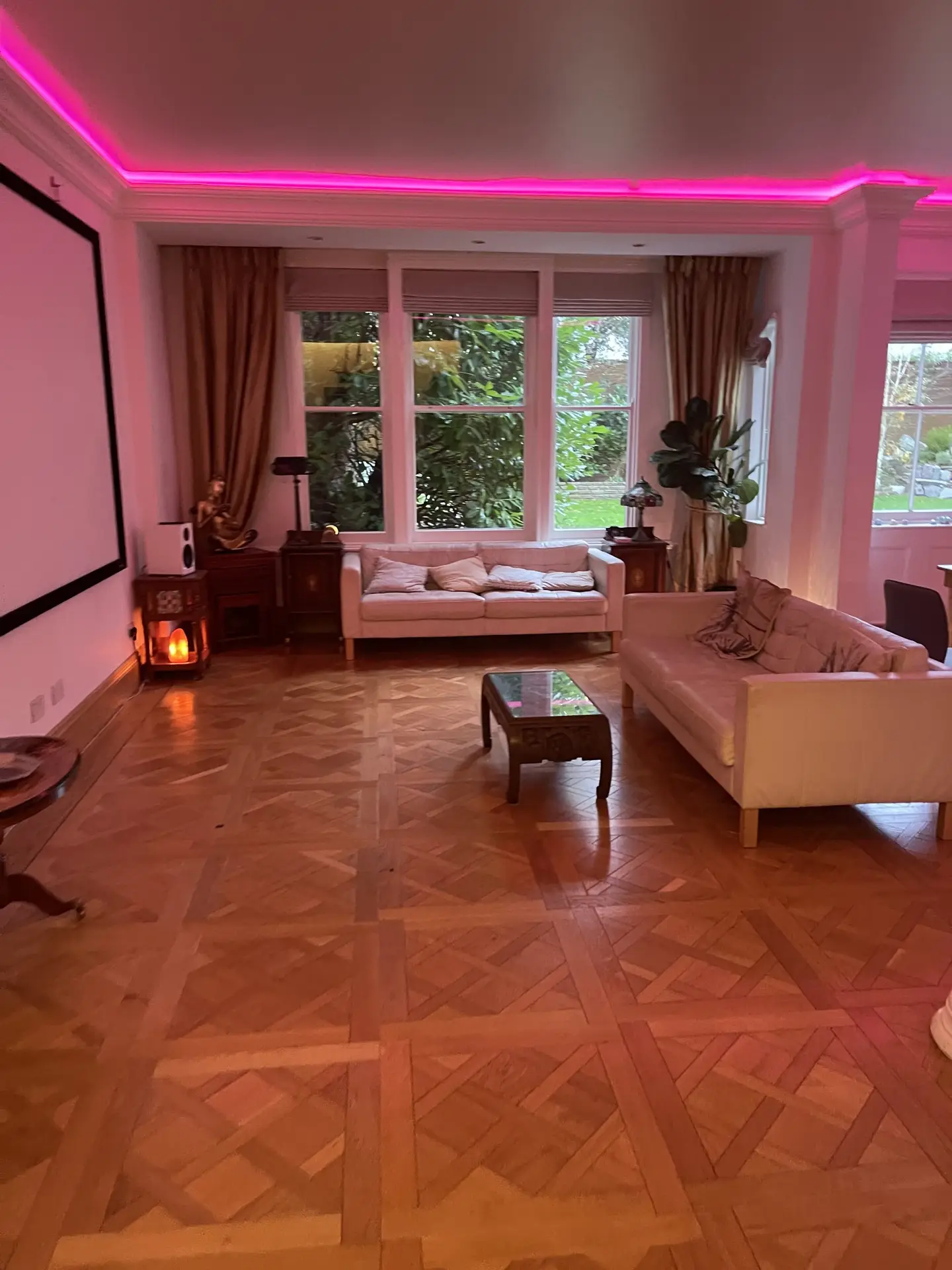
Most people underestimate the impact of design on behaviour, stress, and clarity. Healing architecture recognises that spaces coach people long before a human coach enters the room. Design either: regulates the nervous system dysregulates it. Wholeness coaching pays attention to both.
-

A community organisation struggled with internal conflict, low morale, poor boundaries, and emotional exhaustion among volunteers.
-

Context: Frontline Profession Coaching Scenario A frontline professional (paramedic) displayed symptoms of emotional exhaustion, identity loss, and rapid stress cycling.
-

A corporate tech team struggled with nonstop deadlines, innovation fatigue, internal conflict, and lack of trust across departments.
-

Context: Health System Coaching Scenario A mid-sized hospital department faced chronic burnout, communication breakdowns, and decision fatigue. Staff morale was low, retention was falling, and emotional exhaustion was becoming cultural.
-
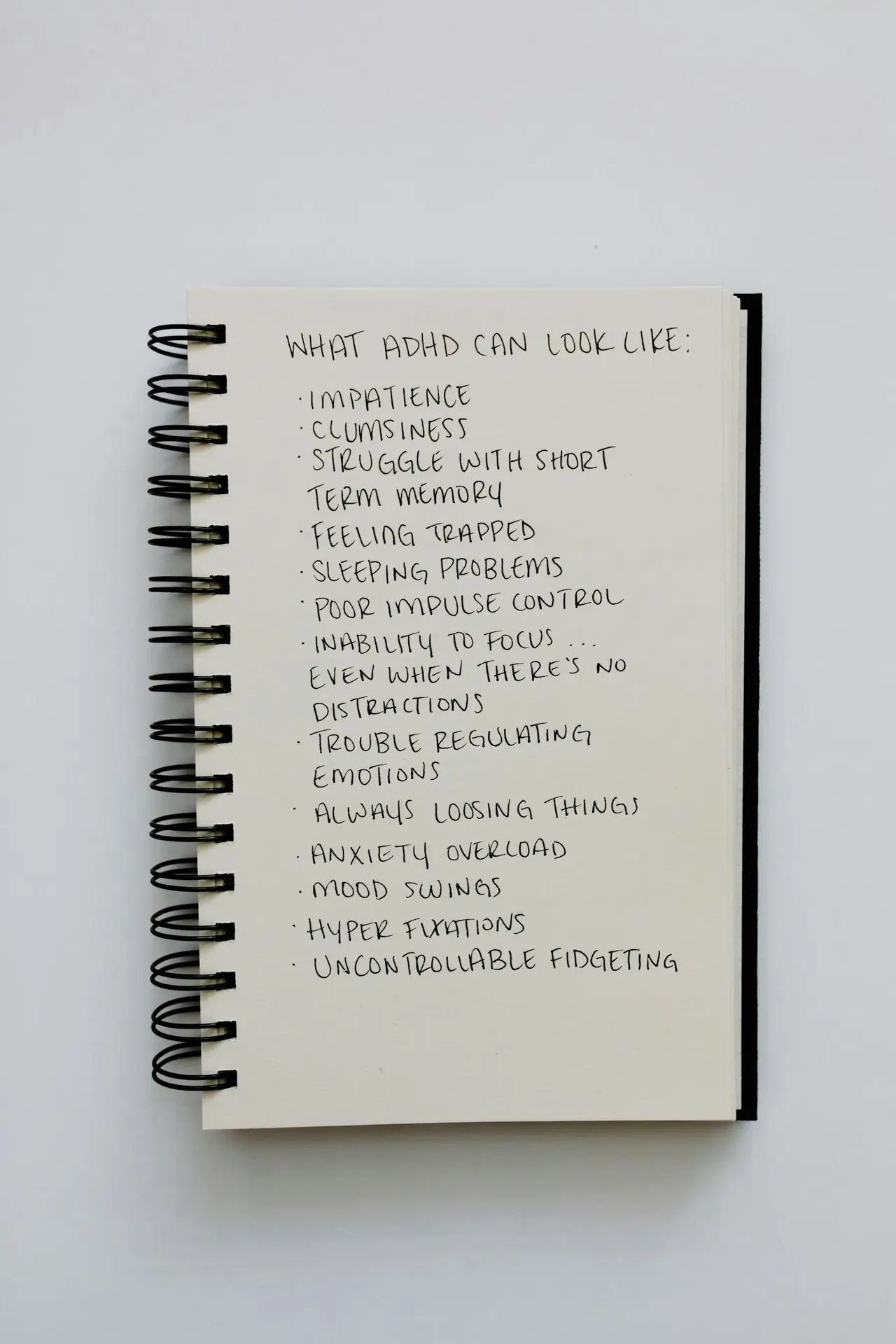
Neurodiverse minds bring unique strengths: intensity, creativity, pattern sensitivity, deep focus, emotional depth, and unconventional problem-solving. Wholeness coaching honours these differences instead of trying to “normalise” them.
-

Traditional coaching has always been useful — for performance, productivity, clarity, and goal achievement. But human beings are more than tasks, timelines, and outcomes. Wholeness coaching steps into that wider truth. It expands coaching beyond achievement and into alignment, coherence, and identity. It recognises that humans do not operate in fragments — and coaching should…