

Category: Reflections
-

Connection Without Collapse Rapport matters because trust is far removed from sameness, and especially because effective rapport preserves distinction while creating safety. In coaching, rapport is often misunderstood as deep personal alignment or emotional merging. While empathy is essential, over-identification quietly erodes judgement, blurs boundaries, and shifts focus away from the client’s growth. This post clarifies…
-
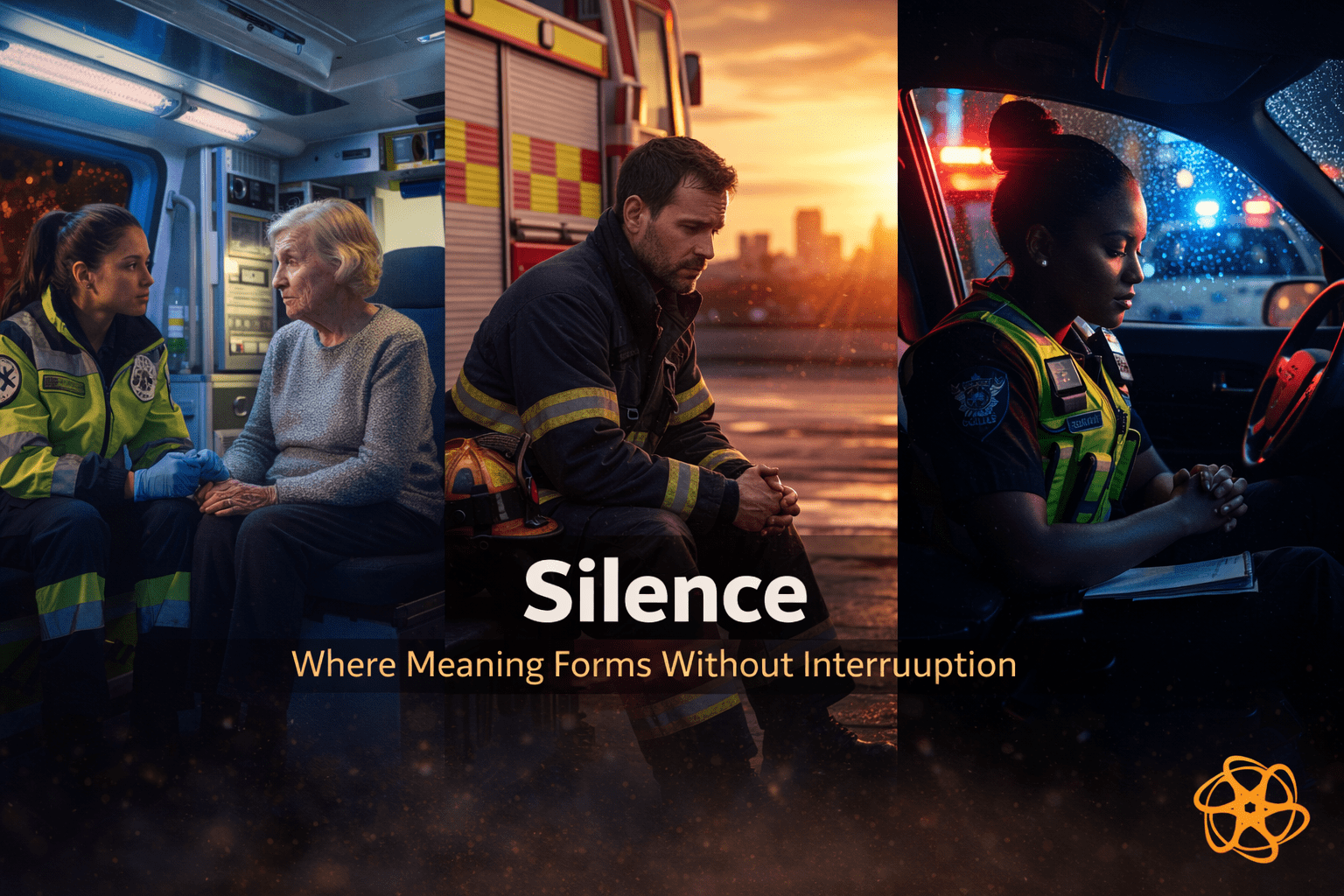
Where Meaning Forms Without Interruption Silence matters because insight is far removed from constant dialogue, and especially because silence is often where integration actually occurs. In coaching, silence is frequently treated as a gap to fill. Questions arrive quickly. Clarifications follow immediately. Yet silence is far removed from absence. It is a space in which thought…
-
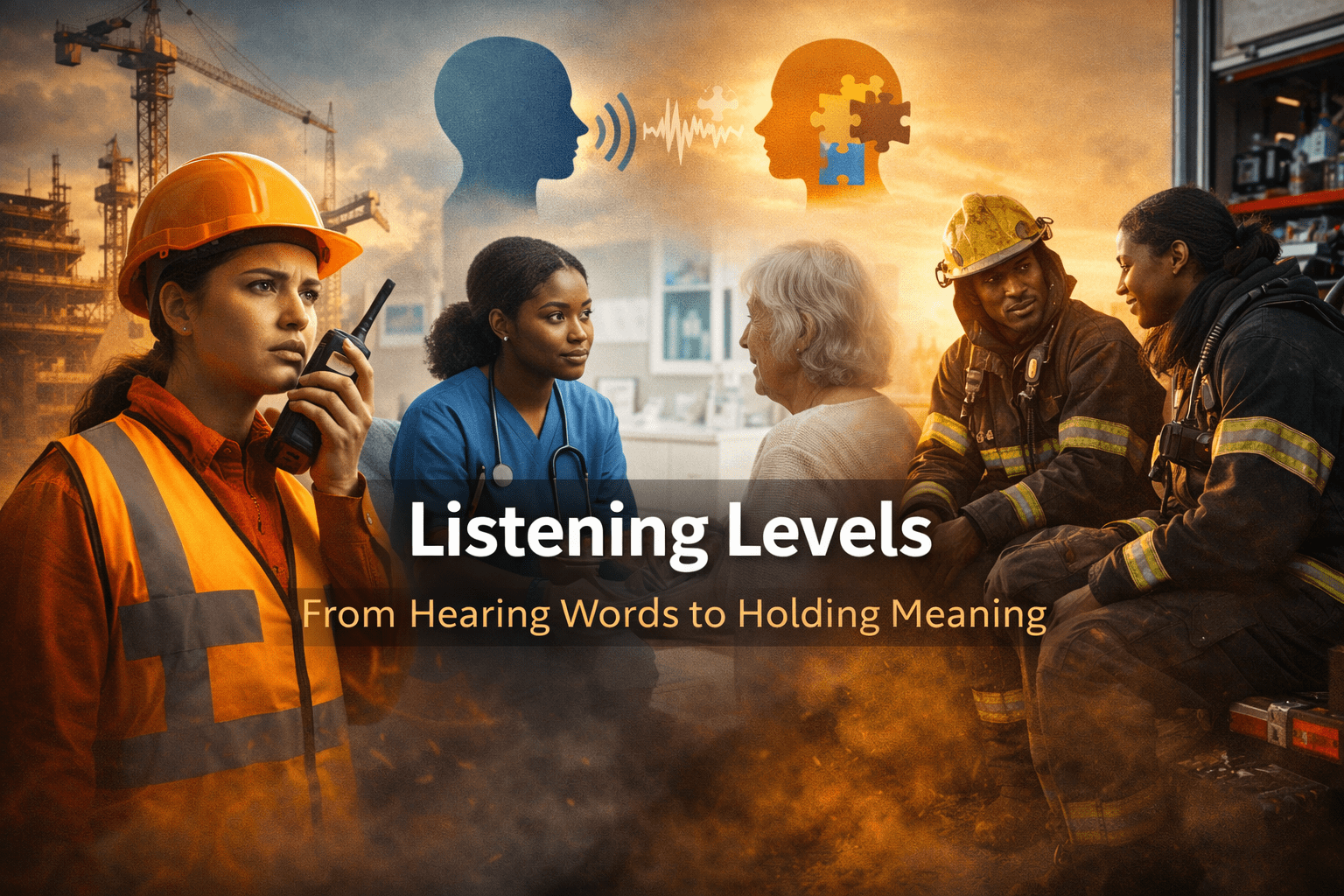
From Hearing Words to Holding Meaning Listening levels matter because coaching effectiveness is far removed from asking good questions alone, and especially because the depth of listening determines the depth of change. In coaching, listening is often described as a basic yet vital skill. In practice, listening operates across distinct levels of attention, presence, and perception.…
-

Authority, Agency, and the Final Return to Choice This principle matters because growth is far removed from permission granted by others, and especially because the most enduring limitations are often borrowed, rather than inherent. In coaching conversations — and in professional development more broadly — external authority frequently becomes internal law. Opinions, assessments, projections, and comparisons…
-

Why Competence Precedes Certainty. Confidence matters because paralysis is far removed from lack of ability, and especially because confidence is often misunderstood as something that must exist before action, rather than something that emerges because of action. In coaching development, confidence is frequently treated as a gatekeeper. Coaches believe confidence must arrive before clients, before visibility, before…
-
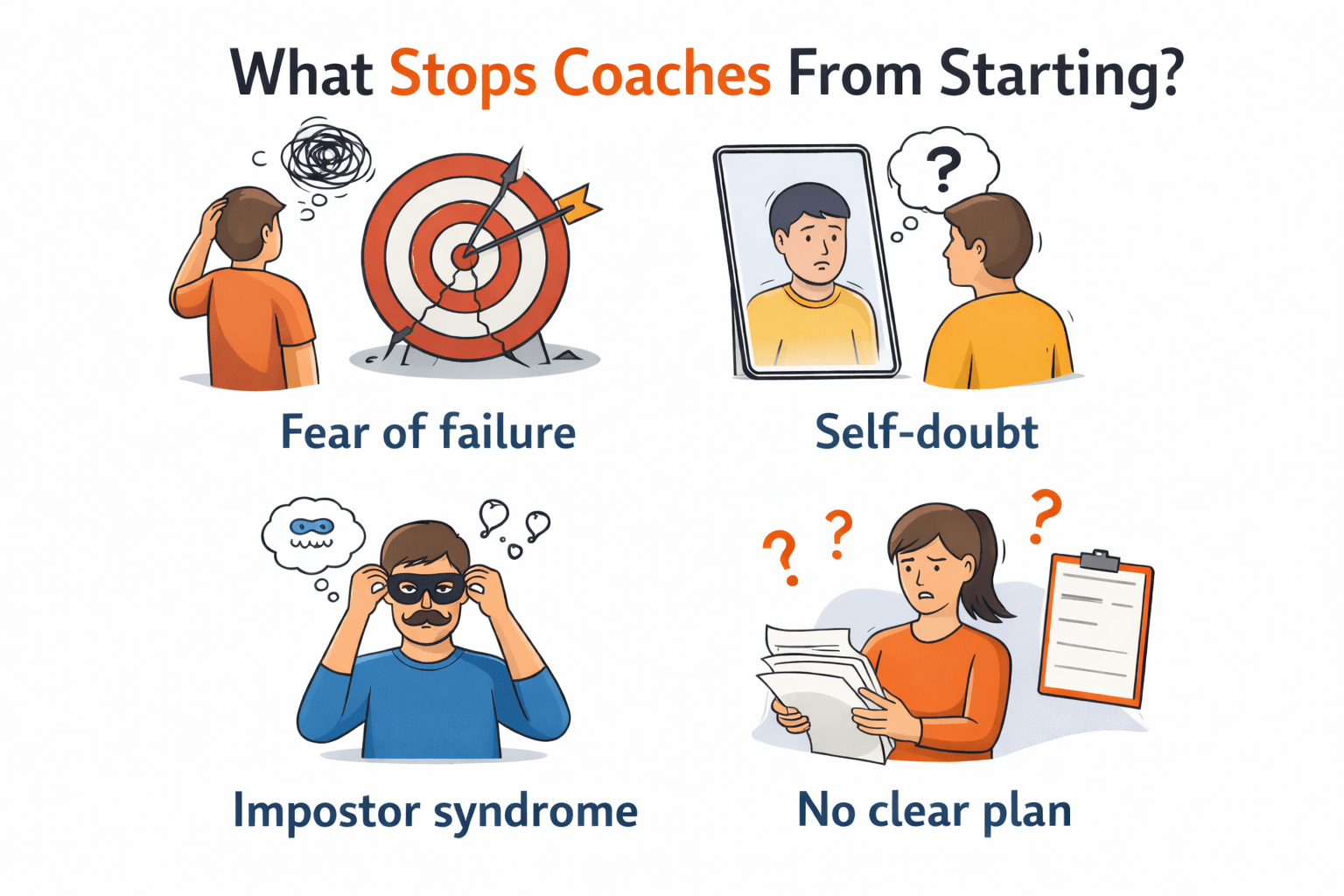
The Invisible Barriers Before the First Client What stops coaches from starting matters because hesitation is far removed from lack of capability, and especially because many coaches delay beginning not due to incompetence, but due to unexamined belief, identity tension, and misplaced standards. In coaching development, starting is often framed as a logistical step. In reality,…
-

Limiting beliefs matter across all support disciplines, yet how belief is approached determines whether change stabilises or stalls. Generic coaching, other support disciplines, and wholeness-based coaching each engage belief differently. None are inherently wrong. Each operates from a distinct frame of purpose, boundary, and depth. This post clarifies those differences — not as hierarchy, but rather…