
Category: Practice(s)
-

Behaviour follows identity. Identity follows repetition. A daily identity line anchors the system into who it is becoming. Examples: “I lead with calm clarity.” “I honour my energy.” “I move from alignment, rather than pressure.” “I return responsibility to its rightful owner.” Identity lines reshape self-perception and behaviour simultaneously.
-

Humans lose energy yes, through big events, however the accumulation of unnoticed micro-leaks yields a greater loss. An energy audit exposes those leaks so the system can reset. Energy audits examine three zones: Drained, Neutral, Nourished. Identify where each task, relationship, thought, or habit sits.
-

Humans often react to assumptions, not facts. A truth-checking pattern prevents unnecessary emotional spirals. It asks one question: “What is true right now?” This cuts through story, projection, fear, and past conditioning.
-

Most boundary violations are actually far removed from dramatism. They are small, constant, subtle — and they drain energy. Boundary micro-repair is the practice of small, immediate corrections that restore dignity and protect emotional clarity.
-

Stress builds into bad stress because humans forget to breathe consciously. A breath-based reset is a micro-practice that shifts the nervous system from survival mode to stability in under 30 seconds. It is a nod to meditation. It is nod to breathwork. It is regulation on demand.
-

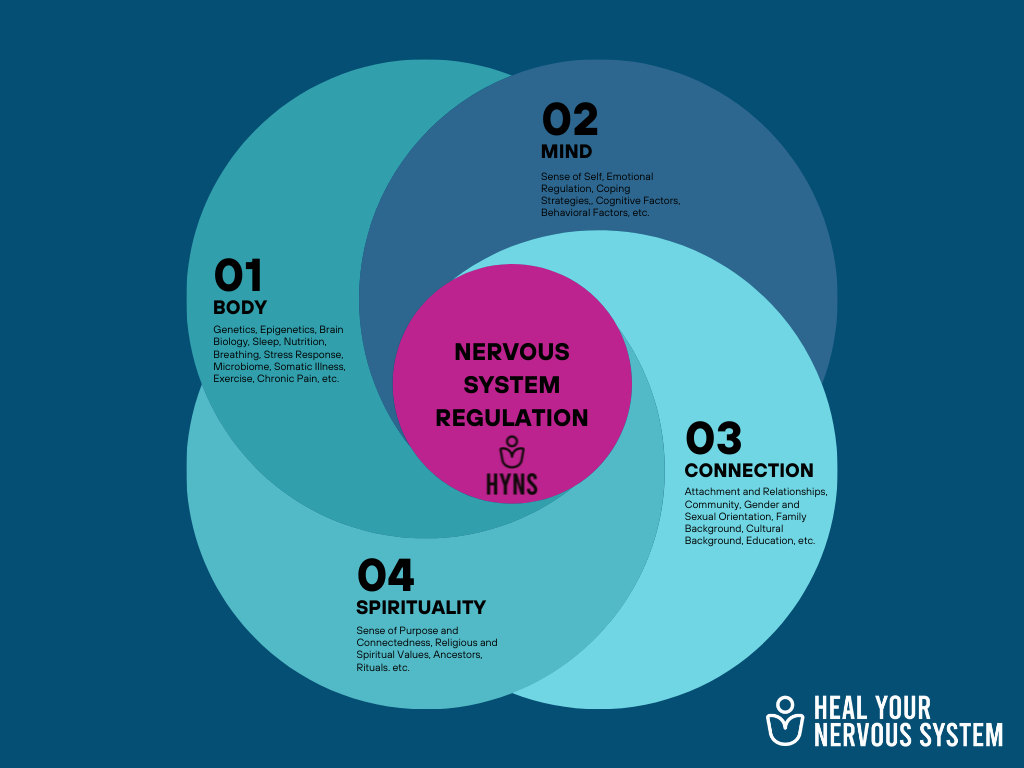
Stress does not resolve through insight alone. Nor through discipline without understanding. Lasting regulation requires a sequenced pathway, where each stage prepares the nervous system, cognition, and behaviour for the next. The Regulation Pathway provides that structure. Rather than treating stress as something to eliminate, this pathway treats stress as a signal to be regulated, integrated, and…
-

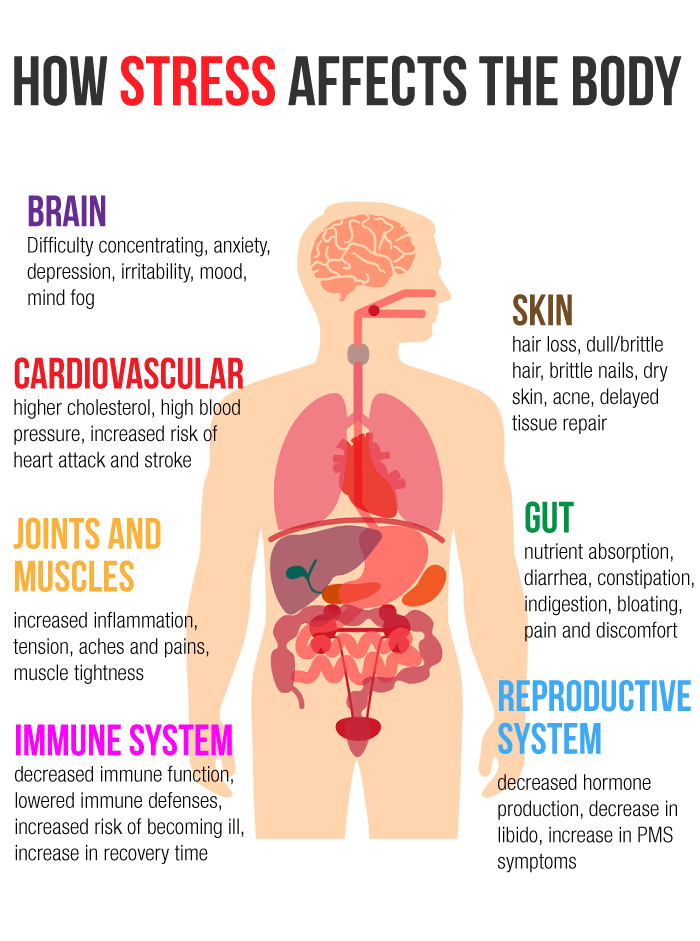
What stress signal mapping actually means Stress Signal Mapping is the process of identifying how stress shows up1, where it originates2, and what it is attempting to communicate3 across human systems. Rather than reducing stress to a feeling or label, mapping treats stress as data. Stress is held separately from randomness. Stress follows patterns.