

Category: Discipline
-

When Belief Stops Being Law and Becomes Preference. Reframing beliefs into choice matters because agency is far removed from positive thinking, and especially because freedom emerges when belief is experienced as optional rather than compulsory. In coaching conversations, reframing is often misunderstood as replacing a “negative belief” with a “positive one” by the coach. This approach…
-

The Internal Commentary That Shapes Behaviour. Self-talk matters because behaviour is far removed from intention alone, and especially because the ongoing internal commentary quietly directs action, effort, and restraint throughout daily life. In coaching conversations, self-talk often operates unnoticed by coaches. Clients describe outcomes and behaviours without recognising the constant narrative shaping how situations are interpreted and…
-

When Expression Replaces Agency. Whining matters because stagnation is far removed from lack of awareness, and especially because repetitive expression without movement often signals that agency has been temporarily surrendered. In coaching conversations, whining is frequently judged or dismissed from the coach. This response misses its function. Whining is not simply complaining. It is a state…
-

How Beliefs Translate Directly Into Behaviour. Limiting beliefs matter in action because behaviour is far removed from conscious intention, and especially because beliefs fail to remain theoretical — they express themselves through patterns of choice, avoidance, and effort. In coaching, clients often understand their limiting beliefs intellectually yet continue to act as if nothing has changed.…
-
Restraint as a Professional Skill. Knowing when to use tools matters because effective coaching is far removed from constant intervention, and especially because discernment protects the client’s process more reliably than technique ever could. At this stage of Chapter 3, tools are no longer the centre of gravity. Judgement and discernment are. This post clarifies…
-

Why Growth Lives Between Safety and Panic. The Comfort Zone model endures because it is far removed from the generic, and especially because it describes how humans actually experience change — emotionally, cognitively, and physically. Rather than framing growth as motivation or willpower, this model maps internal states that arise the moment a goal is imagined. Coaching…
-
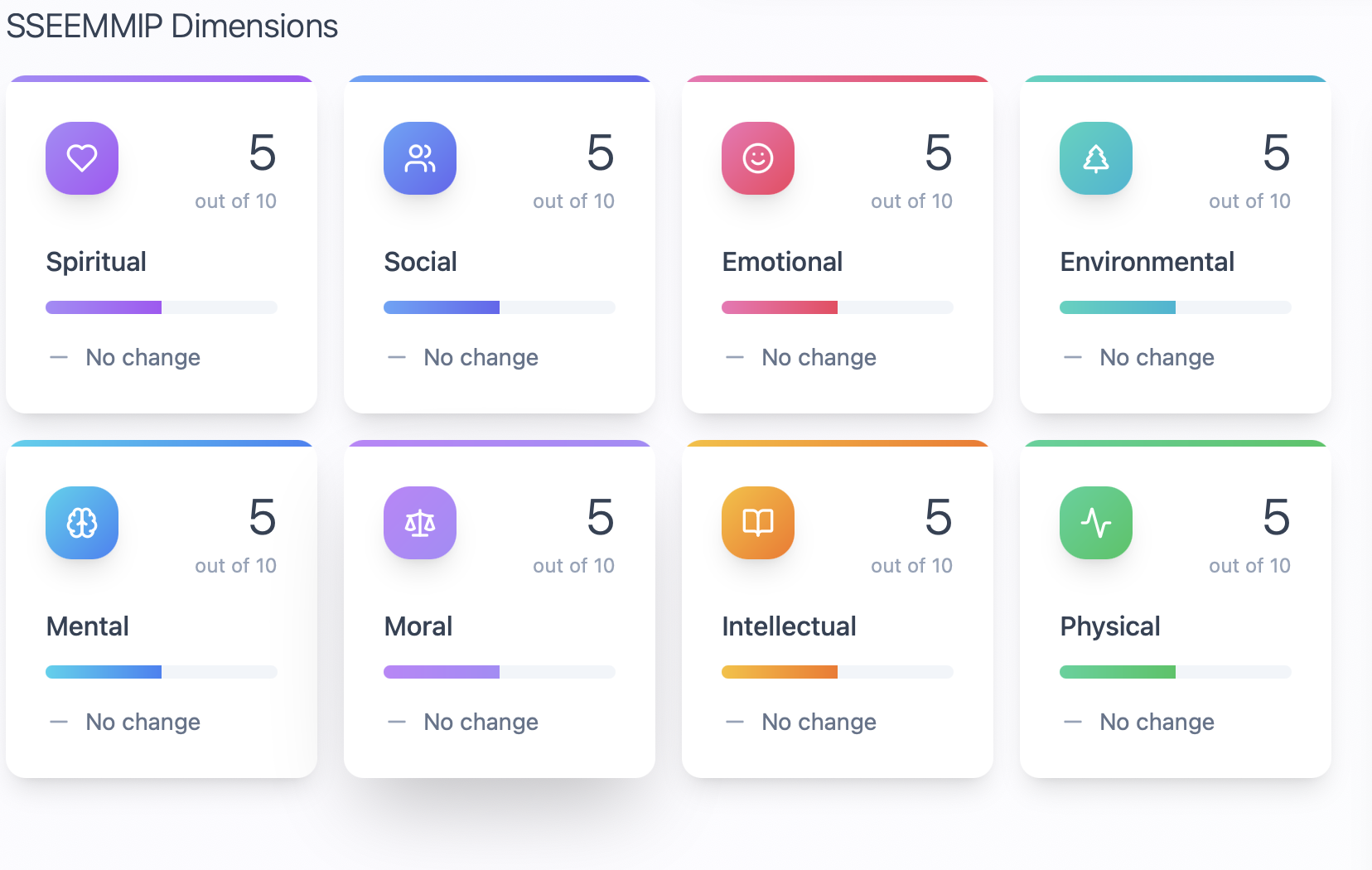
Stress does not operate in isolation. Experience moves simultaneously across spiritual meaning, social context, emotional state, environment, mental load, moral alignment, intellectual demand, and physical capacity. Fragmented interventions fail because they treat these domains separately. SSEEMMIP Integration treats the human system as interconnected and dynamic. A shift in one domain influences the others. Regulation work…