
Category: Maintenance
-

Awareness, reflection, and action endure as foundational coaching principles because they are far removed from the generic, and especially because they describe how human change actually occurs — rather than how it is hoped to occur. This post explores a live experiential exercise used in coach education to demonstrate how habits form, how mind chatter…
-

eeing Identity, Action, and Outcome Come Alive in Real Time. The Be · Do · Have discussion matters because it is far removed from the generic, and especially because it allows participants to witness identity, behaviour, and outcome interacting live, rather than conceptually. Unlike written exercises, the discussion format exposes how people actually engage with the…
-

From Concept to Lived Architecture — Applying Identity Over Time The Be · Do · Have practice endures because it is far removed from the generic, and especially because it can hold scale — not just as a reflective exercise, but as a macro life-design architecture. This post moves from theory into lived practice. What…
-

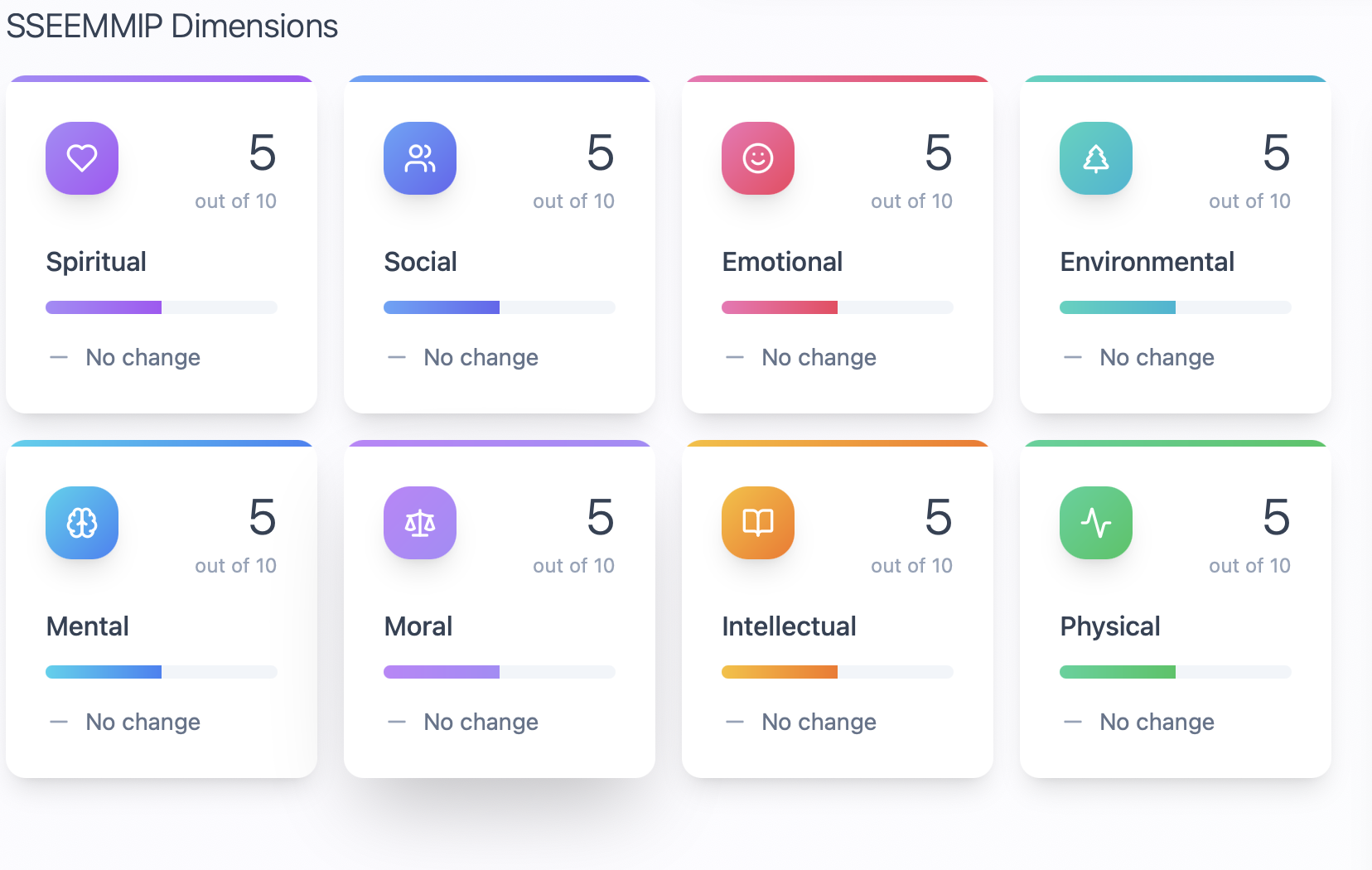
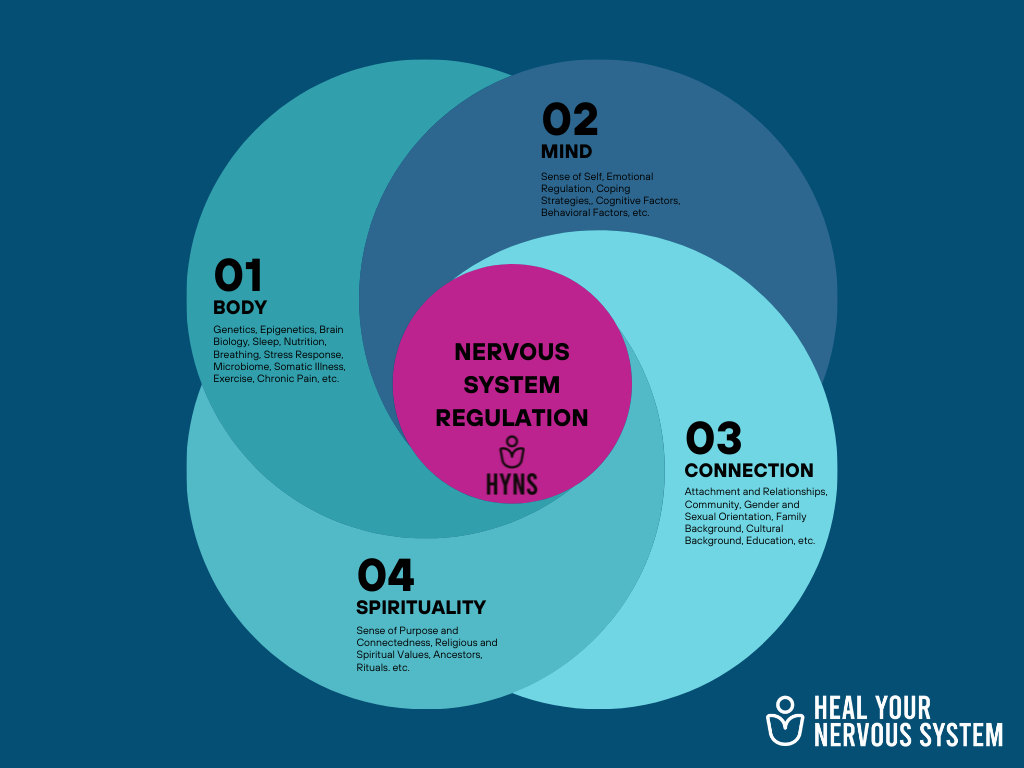
Stress does not operate in isolation. Experience moves simultaneously across spiritual meaning, social context, emotional state, environment, mental load, moral alignment, intellectual demand, and physical capacity. Fragmented interventions fail because they treat these domains separately. SSEEMMIP Integration treats the human system as interconnected and dynamic. A shift in one domain influences the others. Regulation work…
-

Stress does not resolve through insight alone. Nor through discipline without understanding. Lasting regulation requires a sequenced pathway, where each stage prepares the nervous system, cognition, and behaviour for the next. The Regulation Pathway provides that structure. Rather than treating stress as something to eliminate, this pathway treats stress as a signal to be regulated, integrated, and…