
Category: Discipline
-
Restraint as a Professional Skill. Knowing when to use tools matters because effective coaching is far removed from constant intervention, and especially because discernment protects the client’s process more reliably than technique ever could. At this stage of Chapter 3, tools are no longer the centre of gravity. Judgement and discernment are. This post clarifies…
-

Why Growth Lives Between Safety and Panic. The Comfort Zone model endures because it is far removed from the generic, and especially because it describes how humans actually experience change — emotionally, cognitively, and physically. Rather than framing growth as motivation or willpower, this model maps internal states that arise the moment a goal is imagined. Coaching…
-

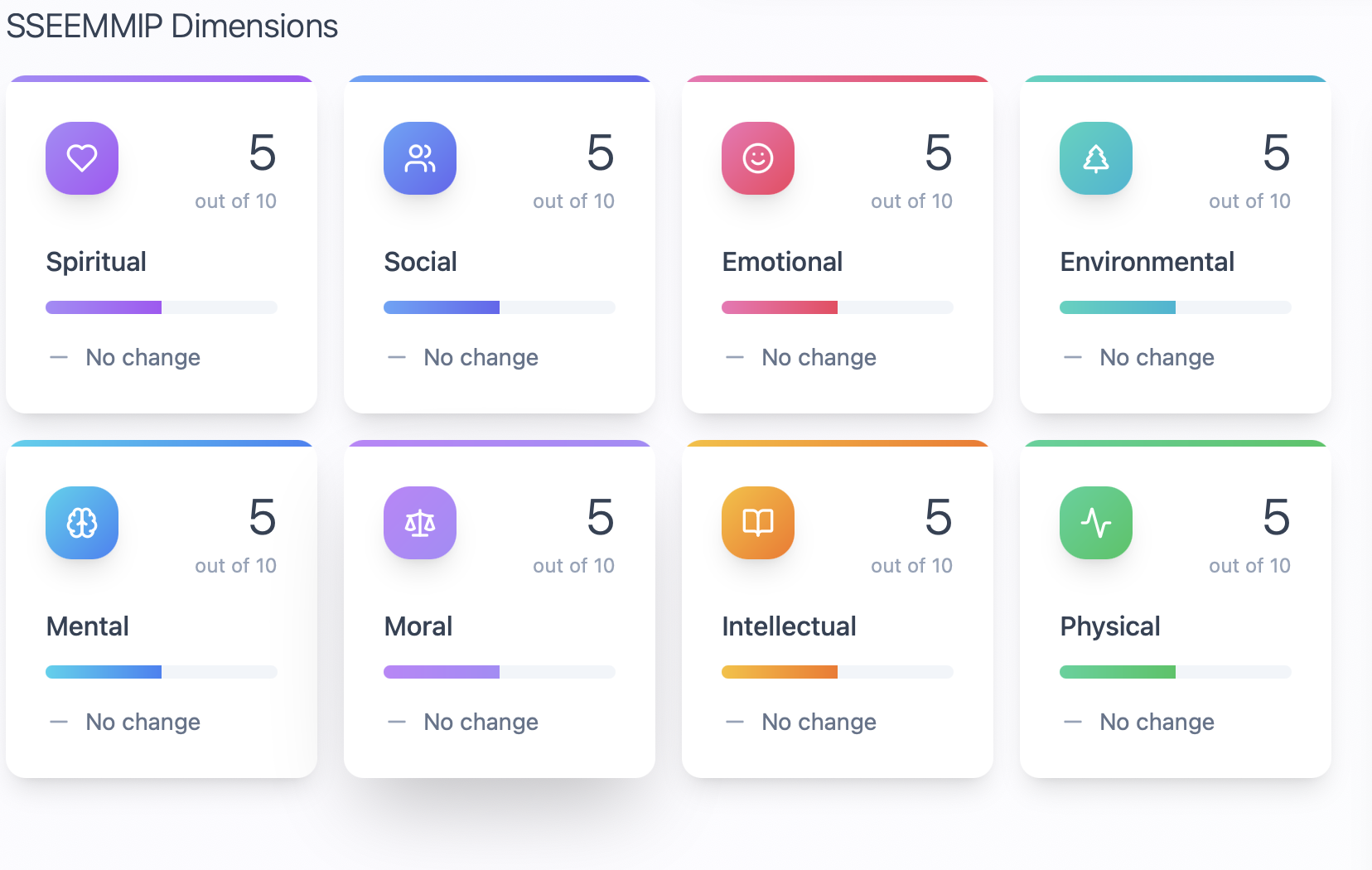
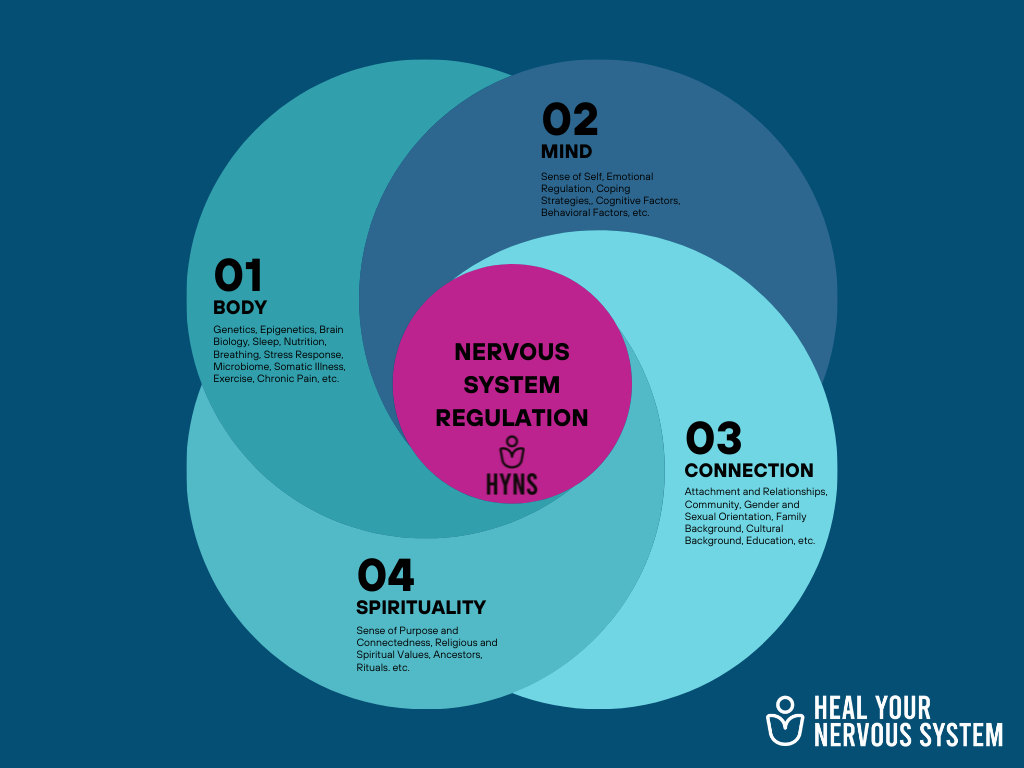
Stress does not operate in isolation. Experience moves simultaneously across spiritual meaning, social context, emotional state, environment, mental load, moral alignment, intellectual demand, and physical capacity. Fragmented interventions fail because they treat these domains separately. SSEEMMIP Integration treats the human system as interconnected and dynamic. A shift in one domain influences the others. Regulation work…
-

Stress does not resolve through insight alone. Nor through discipline without understanding. Lasting regulation requires a sequenced pathway, where each stage prepares the nervous system, cognition, and behaviour for the next. The Regulation Pathway provides that structure. Rather than treating stress as something to eliminate, this pathway treats stress as a signal to be regulated, integrated, and…