
Category: Coaching
-

Every culture reflects the coherence or fragmentation of the humans within it. A coherent organisation displays: clear communication calm decision-making balanced responsibility consistent emotion management alignment of purpose and behaviour A fragmented organisation displays: constant urgency unclear roles emotional leakage overstretched team members values used as decoration reactive leadership The system shows the truth of…
-

Leadership anchored in fear creates obedience. Leadership anchored in love and patience creates coherence, trust, and long-term performance. Love, in a leadership context, means: respect dignity clarity compassion accountability without cruelty Patience means: giving humans time to integrate supporting learning curves modelling emotional regulation choosing long-term stability over short-term panic These qualities are not “soft.”…
-

Cultures do not shift because leaders announce values. Cultures shift when values become behaviours, expectations, and shared rhythms. Cultural wholeness is the point where internal coherence becomes a collective reality — across teams, departments, organisations, or entire communities. Wholeness is no longer an individual state. Wholeness becomes infrastructure.
-
Modern humans live in digital environments the way previous generations lived in physical ones. Digital architecture now shapes: thought patterns attention span communication style emotional regulation stress cycles Wholeness coaching evolves accordingly.
-
Cognitive load determines performance more than skill does. When tasks pile, the system fractures. When workflow is coherent, the mind remains clear. Healing architecture aligns workflow with human capacity.
-

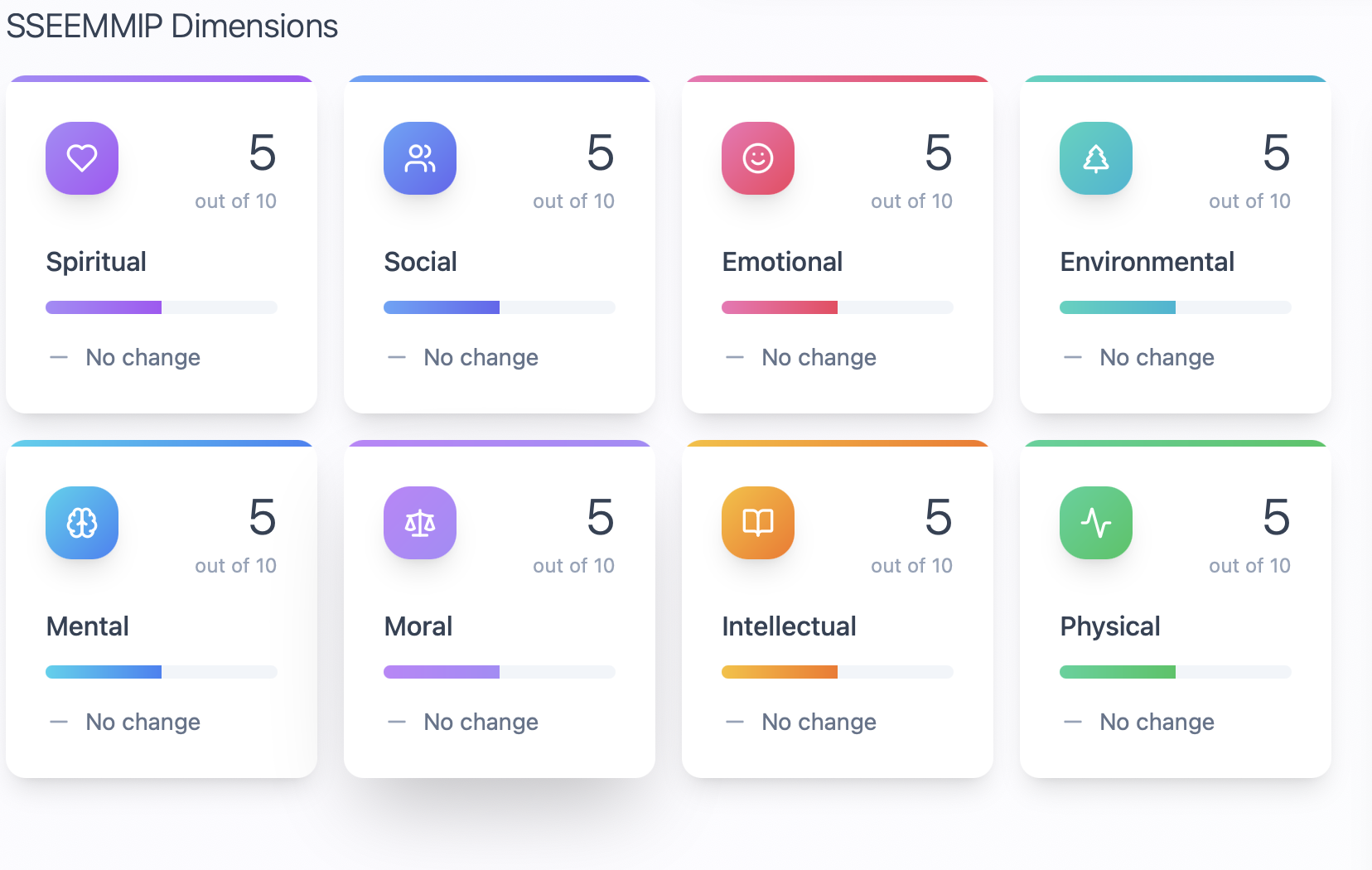
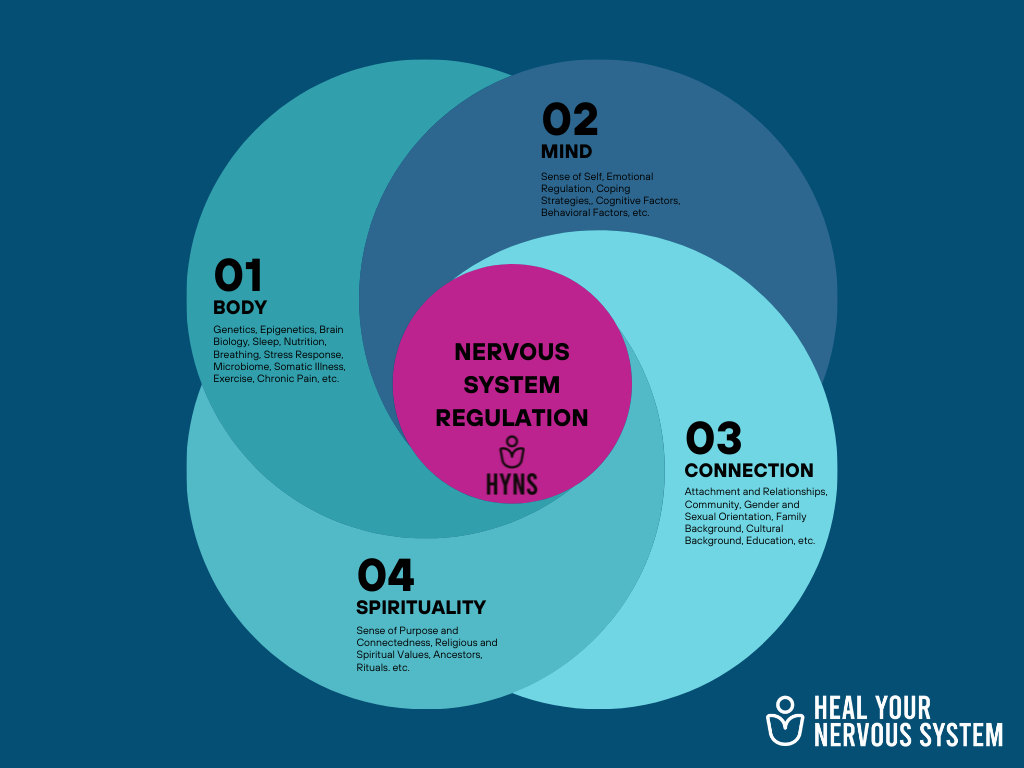
Stress does not operate in isolation. Experience moves simultaneously across spiritual meaning, social context, emotional state, environment, mental load, moral alignment, intellectual demand, and physical capacity. Fragmented interventions fail because they treat these domains separately. SSEEMMIP Integration treats the human system as interconnected and dynamic. A shift in one domain influences the others. Regulation work…
-

Stress does not resolve through insight alone. Nor through discipline without understanding. Lasting regulation requires a sequenced pathway, where each stage prepares the nervous system, cognition, and behaviour for the next. The Regulation Pathway provides that structure. Rather than treating stress as something to eliminate, this pathway treats stress as a signal to be regulated, integrated, and…