
Tag: WholenessCoaching
-

Limiting beliefs matter across all support disciplines, yet how belief is approached determines whether change stabilises or stalls. Generic coaching, other support disciplines, and wholeness-based coaching each engage belief differently. None are inherently wrong. Each operates from a distinct frame of purpose, boundary, and depth. This post clarifies those differences — not as hierarchy, but rather…
-

Neurotypical minds are often assumed to be “easier” to coach — calm, orderly, consistent, predictable. This is a myth. A neurotypical mind presents its own challenges, patterns, blind spots, and defences. Wholeness coaching approaches a neurotypical system with the same depth and intention as any neurodiverse one — simply adapted to the mind’s unique processing…
-
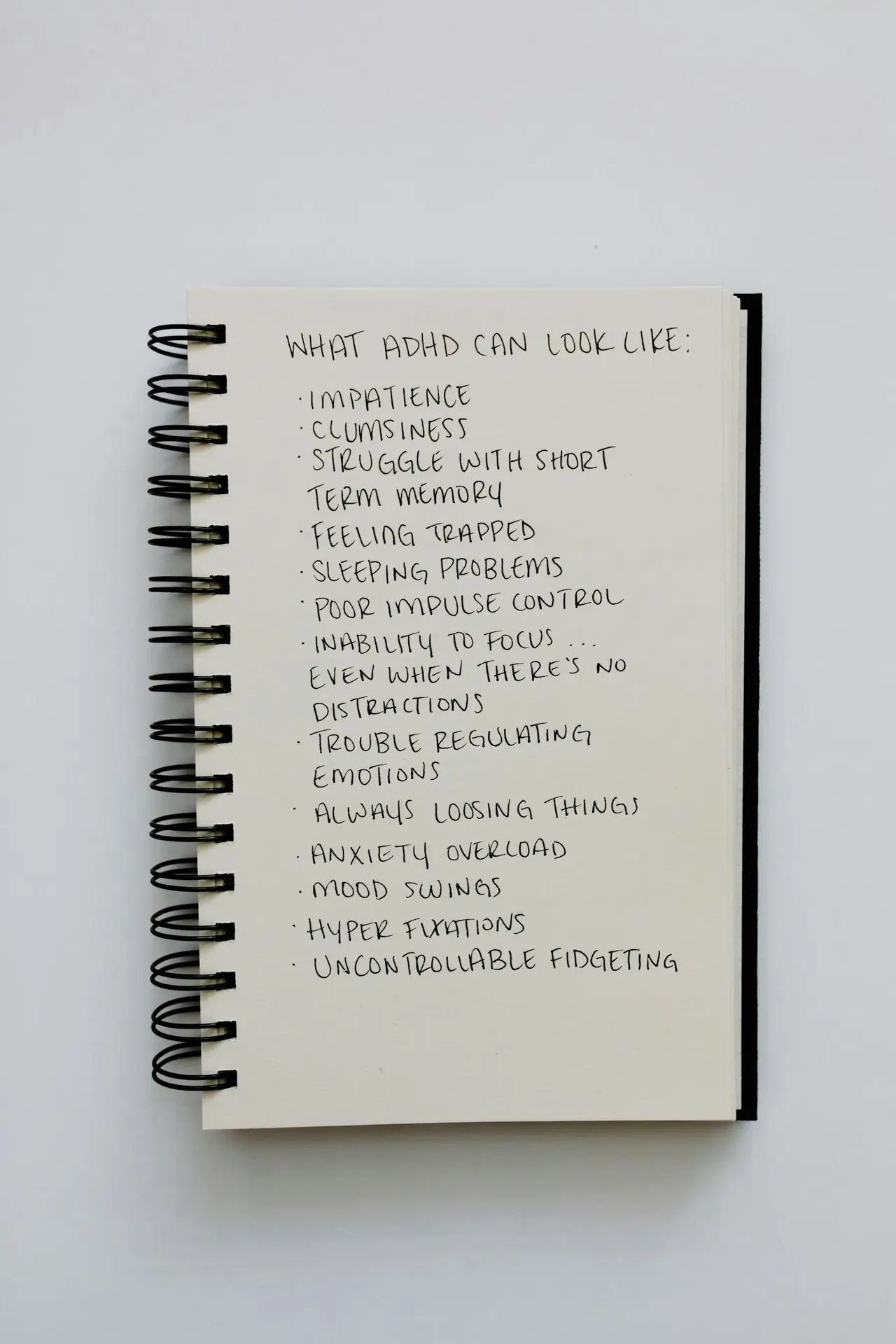
Neurodiverse minds bring unique strengths: intensity, creativity, pattern sensitivity, deep focus, emotional depth, and unconventional problem-solving. Wholeness coaching honours these differences instead of trying to “normalise” them.
-

Coherence is the scientific backbone of wholeness coaching. It describes the energetic, emotional, and cognitive state where the system functions in unison.
-

Frontline professionals operate under conditions where emotional intensity, responsibility overload, and time pressure collide. Wholeness coaching restores their most essential resource: internal clarity.
-

Stress is not the enemy. I repeat, stress is NOT the enemy. Stress is a signal — the body’s request for alignment, awareness, and regulation. What we as humans do with that signal, is up to us. Wholeness coaching works by teaching the system to decode stress instead of fight it.
-

A wholeness-oriented coach does more than follow a framework — a wholeness-oriented coach embodies an approach that restores clarity, responsibility, alignment, and balance in the human system. These behaviours define the craft.