
Tag: HumanPotential
-

A community organisation struggled with internal conflict, low morale, poor boundaries, and emotional exhaustion among volunteers.
-

Context: Frontline Profession Coaching Scenario A frontline professional (paramedic) displayed symptoms of emotional exhaustion, identity loss, and rapid stress cycling.
-

A corporate tech team struggled with nonstop deadlines, innovation fatigue, internal conflict, and lack of trust across departments.
-

Context: Health System Coaching Scenario A mid-sized hospital department faced chronic burnout, communication breakdowns, and decision fatigue. Staff morale was low, retention was falling, and emotional exhaustion was becoming cultural.
-
Neurotypical minds are often assumed to be “easier” to coach — calm, orderly, consistent, predictable. This is a myth. A neurotypical mind presents its own challenges, patterns, blind spots, and defences. Wholeness coaching approaches a neurotypical system with the same depth and intention as any neurodiverse one — simply adapted to the mind’s unique processing…
-
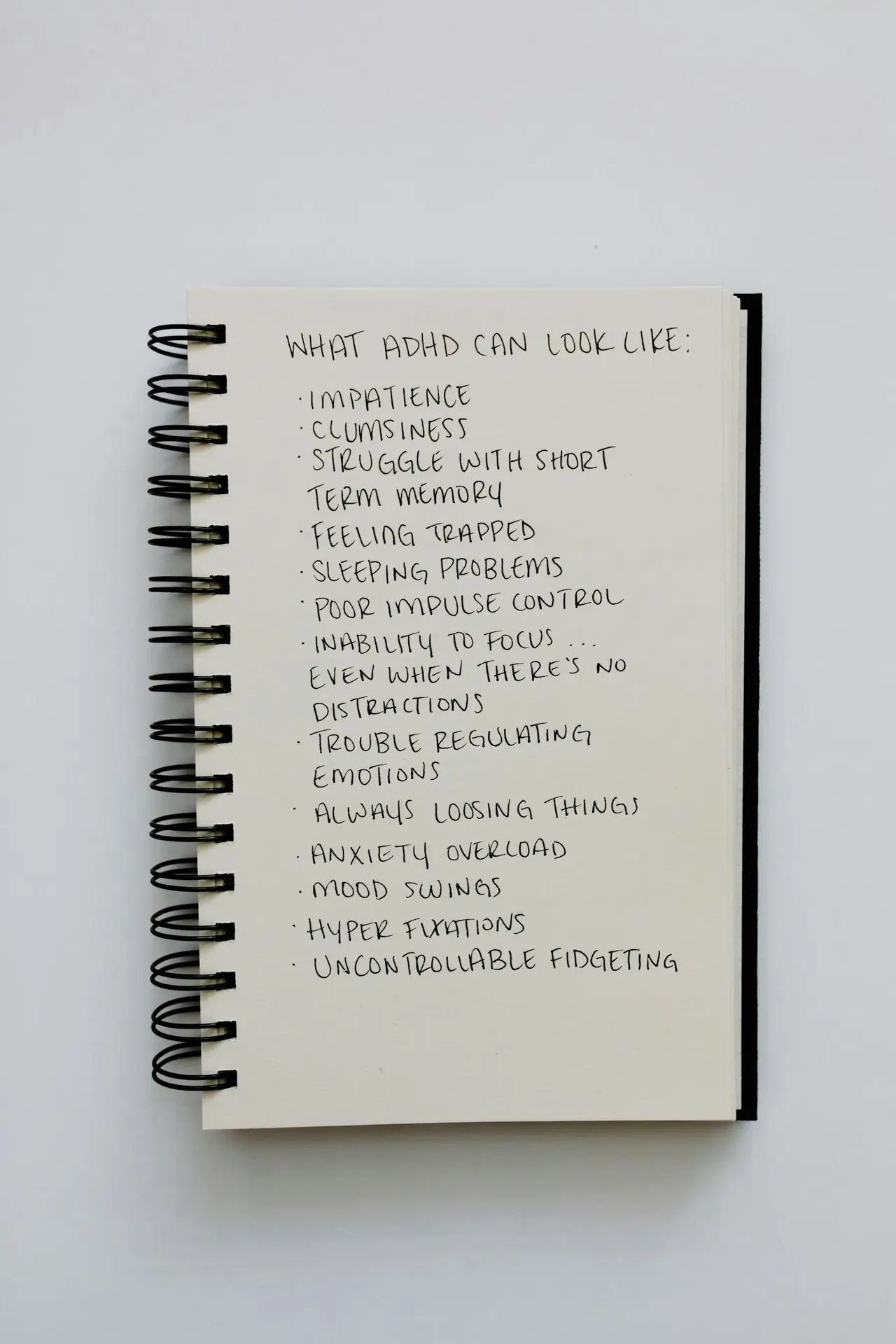
Neurodiverse minds bring unique strengths: intensity, creativity, pattern sensitivity, deep focus, emotional depth, and unconventional problem-solving. Wholeness coaching honours these differences instead of trying to “normalise” them.
-

Coherence is the scientific backbone of wholeness coaching. It describes the energetic, emotional, and cognitive state where the system functions in unison.