
Tag: CoachingPsychology
-

Modern humans live in digital environments the way previous generations lived in physical ones. Digital architecture now shapes: thought patterns attention span communication style emotional regulation stress cycles Wholeness coaching evolves accordingly.
-
Cognitive load determines performance more than skill does. When tasks pile, the system fractures. When workflow is coherent, the mind remains clear. Healing architecture aligns workflow with human capacity.
-
Technology accelerates everything — except the nervous system. Most digital environments operate at a speed human biology was never designed to sustain. Healing architecture integrates technology into coaching by restoring rhythm, not intensifying chaos.
-

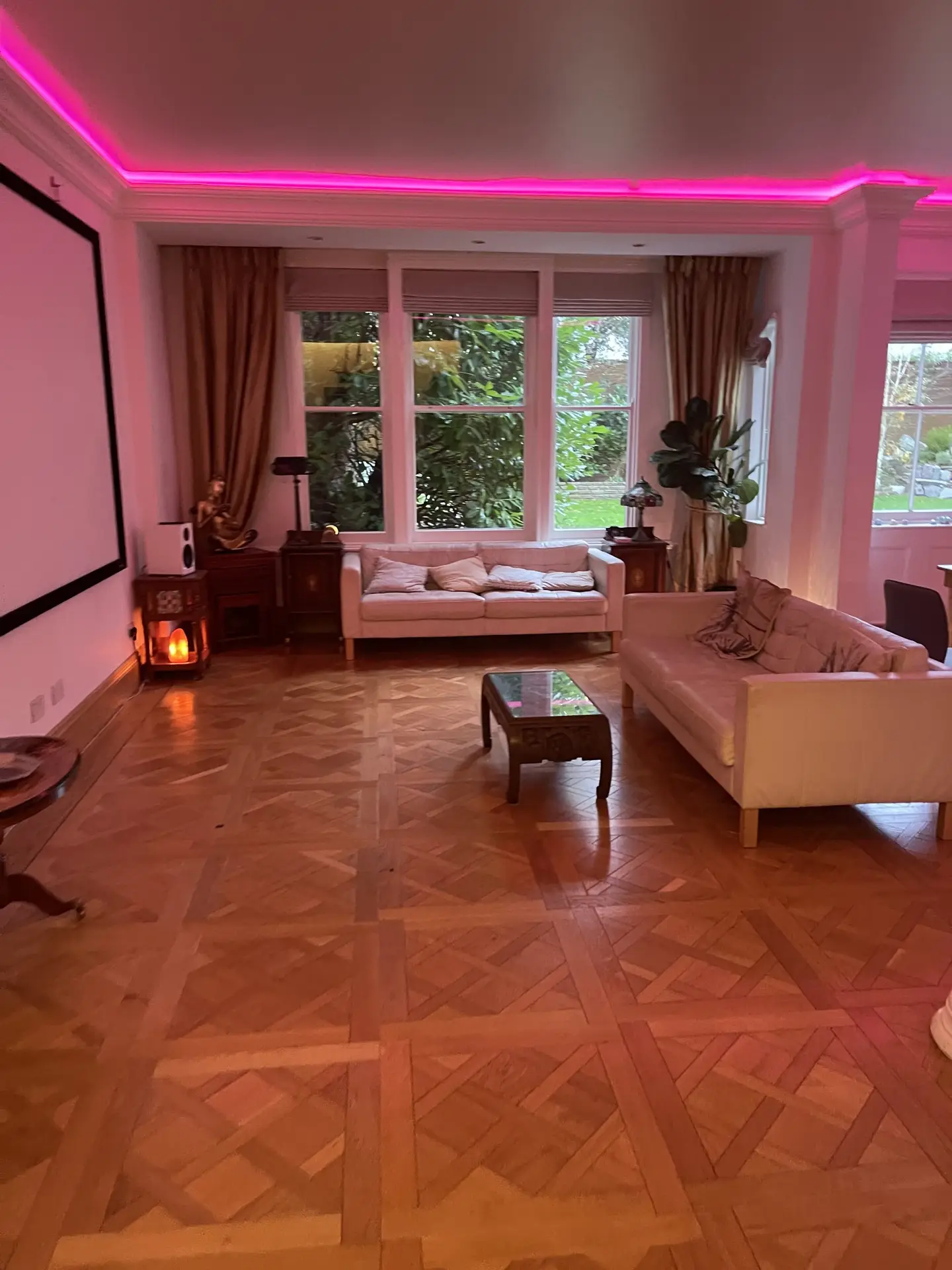
Most people underestimate the impact of design on behaviour, stress, and clarity. Healing architecture recognises that spaces coach people long before a human coach enters the room. Design either: regulates the nervous system dysregulates it. Wholeness coaching pays attention to both.
-

Context: Health System Coaching Scenario A mid-sized hospital department faced chronic burnout, communication breakdowns, and decision fatigue. Staff morale was low, retention was falling, and emotional exhaustion was becoming cultural.
-
Neurotypical minds are often assumed to be “easier” to coach — calm, orderly, consistent, predictable. This is a myth. A neurotypical mind presents its own challenges, patterns, blind spots, and defences. Wholeness coaching approaches a neurotypical system with the same depth and intention as any neurodiverse one — simply adapted to the mind’s unique processing…
-
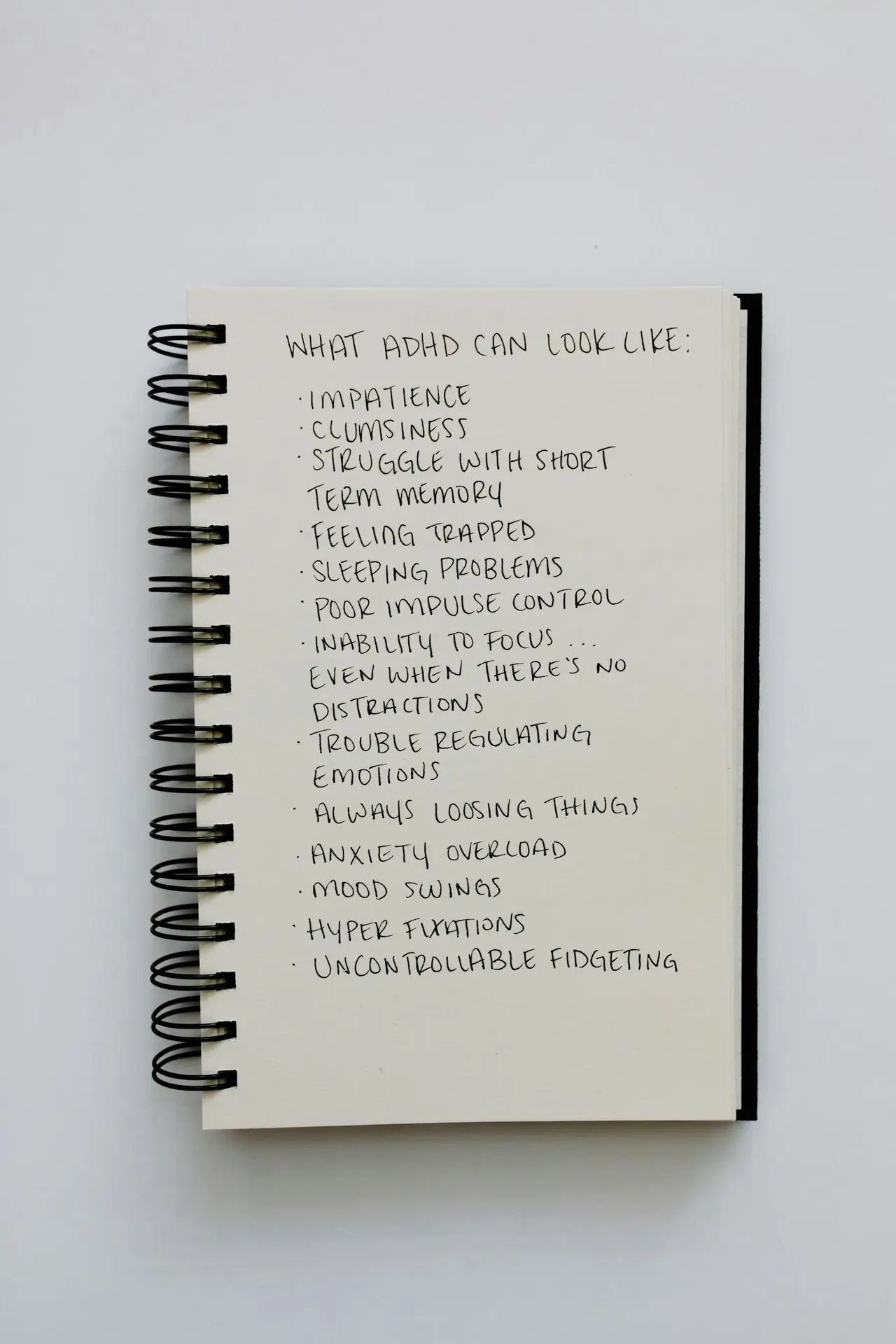
Neurodiverse minds bring unique strengths: intensity, creativity, pattern sensitivity, deep focus, emotional depth, and unconventional problem-solving. Wholeness coaching honours these differences instead of trying to “normalise” them.