Chapter 2: Where Transformation Becomes Identity
Awareness shows what is true.
Responsibility activates choice(s) from said truth(s).
Possibility expands the field of said choice(s).
Integration is what turns all of that into identity.
Without integration, change remains temporary.
With integration, change becomes self-sustaining.
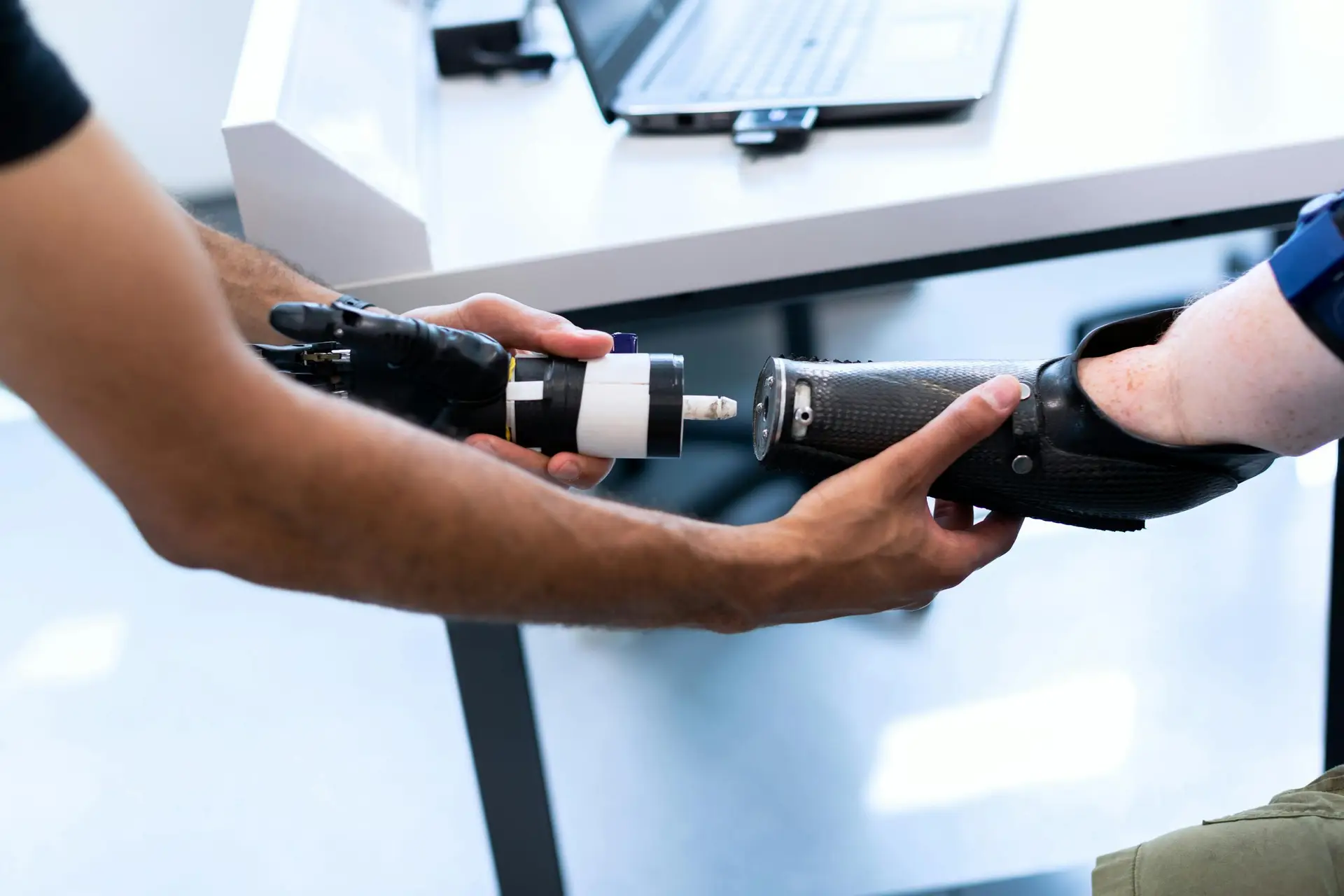
Integration is the mechanism through which new behaviours become natural, new perspectives become stable, and new identities become lived reality.
This is where coaching shifts from movement to embodiment.
1. Integration Is the Moment Change “Sticks”
Most humans don’t struggle to create change — they struggle to keep it.
Integration is the mechanism that converts insight into pattern, pattern into behaviour, and behaviour into identity.
Integration asks:
- What is becoming true now?
- What must be reinforced?
- What must be practised?
- What must be released?
- What must be protected?
Integration is maintenance, reinforcement, and embodiment — the consolidation phase of transformation. Think global refractory period of body systems.
2. Integration Requires Repetition and Recognition
Change becomes real when repeated, recognised, and reinforced.
Coaching supports this by helping clients:
- name new behaviours
- track emotional and cognitive shifts
- recognise emerging strengths
- create repeatable habits
- celebrate micro-wins
Integration is less dramatic.
Integration is more rhythmic.
And rhythm my dear readers, builds identity.
3. Integration Is Built Into the GROW Model
The GROW model is often seen as linear, but its true power is cyclical.
Integration shows up in multiple places:
- Goal: integration of intention
- Reality: integration of truth and honesty
- Options: integration of creative thinking
- Way Forward: integration of action, reflection, and repetition
Integration is not a separate stage.
Integration is the binding agent across all four.
This is why GROW feels intuitive — it naturally supports embodied learning.
4. Integration Protects Against Regression
Without integration, the human system returns to familiar defaults. (Those pesky unhelpful habit loops 😵💫)
Not because the insight was wrong, but because the nervous system prefers the known. (Better the devil you know and all that … 😈)
Integration builds safety into the new behaviour.
When the system feels safe, the behaviour stabilises. Straightforward.
Integration prevents:
- emotional regression
- cognitive overwhelm
- collapse into old stories
- behavioural drift
Integration keeps the new path open.
5. Integration Is a Wholeness Process
Integration is the mechanism that aligns:
- thought
- emotion
- behaviour
- energy
- identity
When these elements move together, the system becomes coherent.
Coherence is wholeness in motion.
This is why applied wholeness relies so heavily on integration — without it, the human system lives in fragmentation. (Stop 🛑 – – – start 🎬 on loop 🔂)
Integration is the stitching of the new self. The repair of soul fractures. The reconnection to a greater self.
6. Integration Extends Beyond the Individual
Teams require integration.
Organisations require integration.
Communities require integration.
Without integration, training becomes forgotten.
Strategies remain theoretical.
Values stay on posters instead of in behaviour. Ever wonder why real life application suffers on the shop floor? This blog post explains why.
Integration transforms culture because culture is repeated action, not written intention.
Coaching accelerates this uptake through reflection, repetition, and reinforcement.
7. Integration Turns Possibility Into Identity
Possibility opens the field.
Integration closes the loop.
When integrated:
- confidence grows
- resilience strengthens
- self-trust develops
- the nervous system adapts
- the new identity feels natural
This is the point where a client says:
“This isn’t something I’m trying anymore — this is who I am.”
That is integration.
Key Learning Points
- Integration is the mechanism that turns change into identity.
- Repetition, recognition, and reinforcement anchor transformation.
- GROW supports integration across all stages.
- Integration protects against regression and stabilises growth.
- Integration aligns mind, behaviour, energy, and identity into wholeness.
- Integration expands from individuals to teams, organisations, and cultures.
Action Points
- Encourage clients to track new behaviours and micro-shifts.
- Reinforce identity-based language (“I am becoming…”).
- Create repetition strategies that build neurological stability.
- Celebrate early wins to strengthen motivation and embodiment.
- Use reflection to reinforce integration as an ongoing process.
In Essence
Integration is where transformation becomes real.
It is the consolidation of insight, the stabilisation of behaviour, and the emergence of a new identity.
Awareness opens the eyes.
Responsibility activates choice.
Possibility expands the horizon.
Integration anchors the evolution.
This is the architecture of coaching.
Chapter Two continues.
Keywords
integration in coaching, applied wholeness, coaching mechanisms, transformational coaching, behavioural integration, GROW model implementation, identity shift coaching, coaching psychology, sustainable change, client evolution, Enasni Connections