

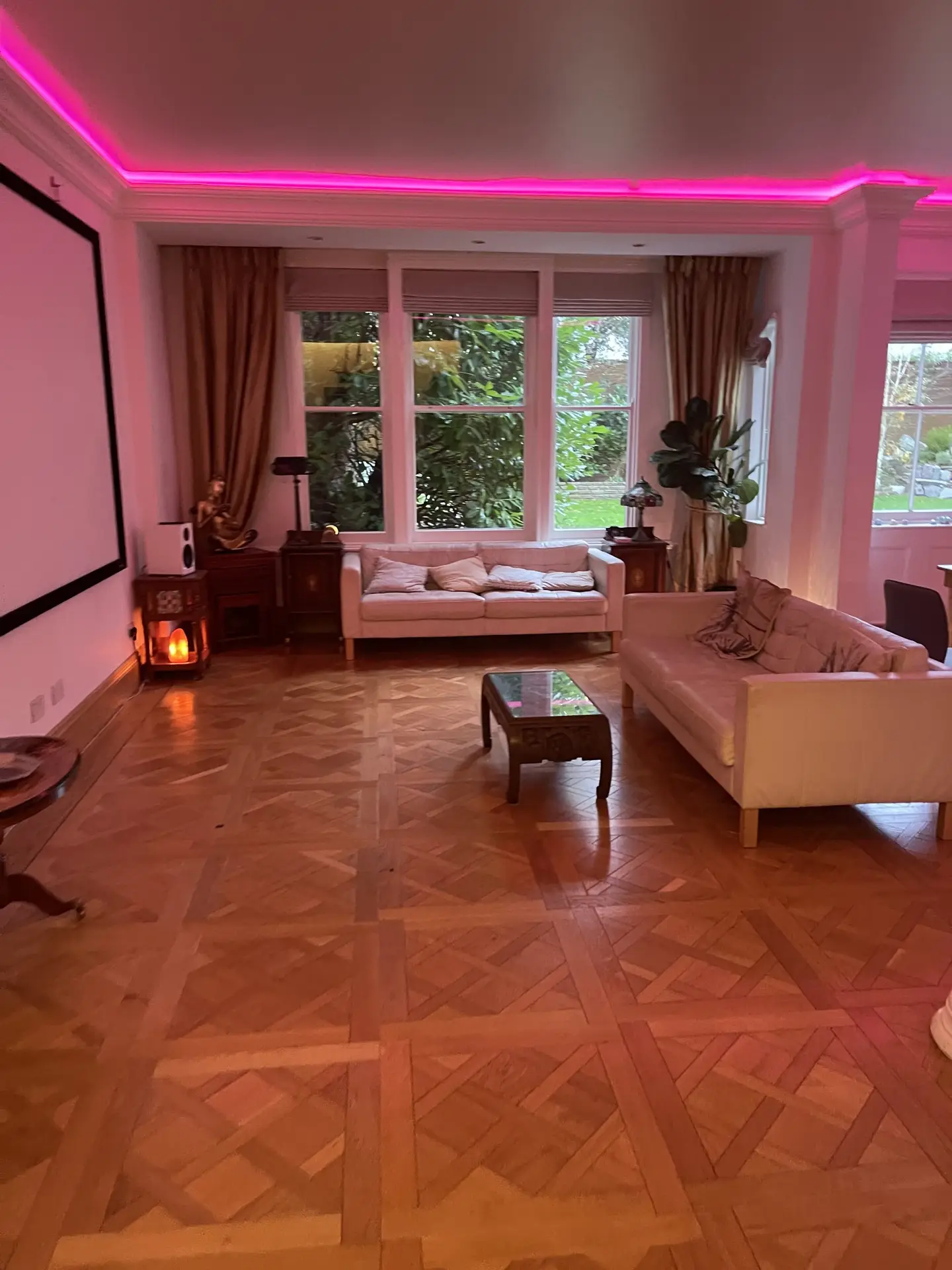
Chapter 2: How Physical and Emotional Environments Shape Human Coherence
Most people underestimate the impact of design on behaviour, stress, and clarity.
Healing architecture recognises that spaces coach people long before a human coach enters the room.
Design either:
- regulates the nervous system
- dysregulates it.
Wholeness coaching pays attention to both.
Design Features That Support Coaching Flow
1. Clean Visual Fields
Clutter creates micro-stress.
Clean lines create cognitive ease.
2. Natural Light
Regulates circadian rhythm and emotional baseline.
3. Sound Management
Noise fractures attention.
Soft soundscapes restore presence.
4. Circular Seating
Removes hierarchy, increases trust, and encourages open dialogue.
5. Micro-Break Spaces
Humans need decompression zones.
Rest restores coherence.
Why This Matters for Wholeness Coaching
A space that regulates the nervous system amplifies coaching outcomes.
A space that fragments attention weakens them.
Healing architecture turns the environment into a silent co-facilitator.
Key Learning Points
- Physical environments influence emotional regulation and cognitive clarity.
- Clean, minimal design reduces micro-stress and supports presence.
- Natural light, sound management, and circular seating enhance trust and flow.
- Well-designed spaces act as silent co-facilitators in coaching.
- Rest zones and decompression spaces protect nervous-system stability.
Action Points
- Remove visual clutter from coaching and working areas.
- Introduce natural light or warm lighting where possible.
- Implement circular or side-by-side seating for psychological safety.
- Add grounding elements: plants, soft textures, calm colours.
- Create intentional micro-break spaces to regulate energy.
Keywords
healing architecture, coaching environment design, nervous system regulation, coaching flow, human-centred design, workplace wellbeing, emotional regulation, applied wholeness, coherence design, Enasni Connections