

Category: Insights
-

Where Change Actually Begins. Belief systems matter because behaviour is far removed from willpower alone, and especially because beliefs quietly determine what feels possible, permitted, and safe long before action is considered. In coaching, belief systems often operate beneath the surface. Clients may focus on goals, habits, or motivation, while the real constraint sits upstream — in…
-

Why Outcomes Don’t Change When Inputs Stay the Same. Task, behaviour, and effort matter because lack of progress is far removed from lack of action, and especially because many people confuse doing tasks with changing behaviour, and increasing effort with altering outcomes. In coaching, clients often arrive having “done everything.” Tasks have been completed. Plans have been followed. Effort has been…
-

Seeing Behaviour Instead of Stories. Patterns matter because sustainable change is far removed from isolated actions, and especially because behaviour is governed by repeating structures, in lieu of single decisions. In coaching, clients often arrive with stories: explanations, justifications, and narratives about what is happening. While stories carry meaning, patterns reveal what is actually occurring over time.…
-

When Comfort Disguises Itself as Competence. Familiarity matters because stagnation is far removed from lack of ability, and especially because familiarity often feels like mastery while quietly preventing growth. In coaching conversations, familiarity is rarely questioned. It sounds like experience, realism, or common sense. Yet familiarity often anchors people to what is known — even when…
-

Why Awareness Alone Rarely Creates Change. Insights matter because transformation is far removed from understanding alone, and especially because insight without integration often creates movement in thought but not in life. In coaching, insight is frequently treated as the goal. Moments of clarity feel powerful. Language sharpens. Energy lifts. Yet many clients return with the same…
-

Wholeness in coaching is the silent force that shapes sustainable growth. It recognises that development is not fragmented but integrated — across mind, body, emotion, and relationship. Coaching may teach skills non-directively, but wholeness gives them soul. It’s the inner equilibrium that allows action without frenzy, and compassion without collapse. Wholeness is less about perfection. It is…
-
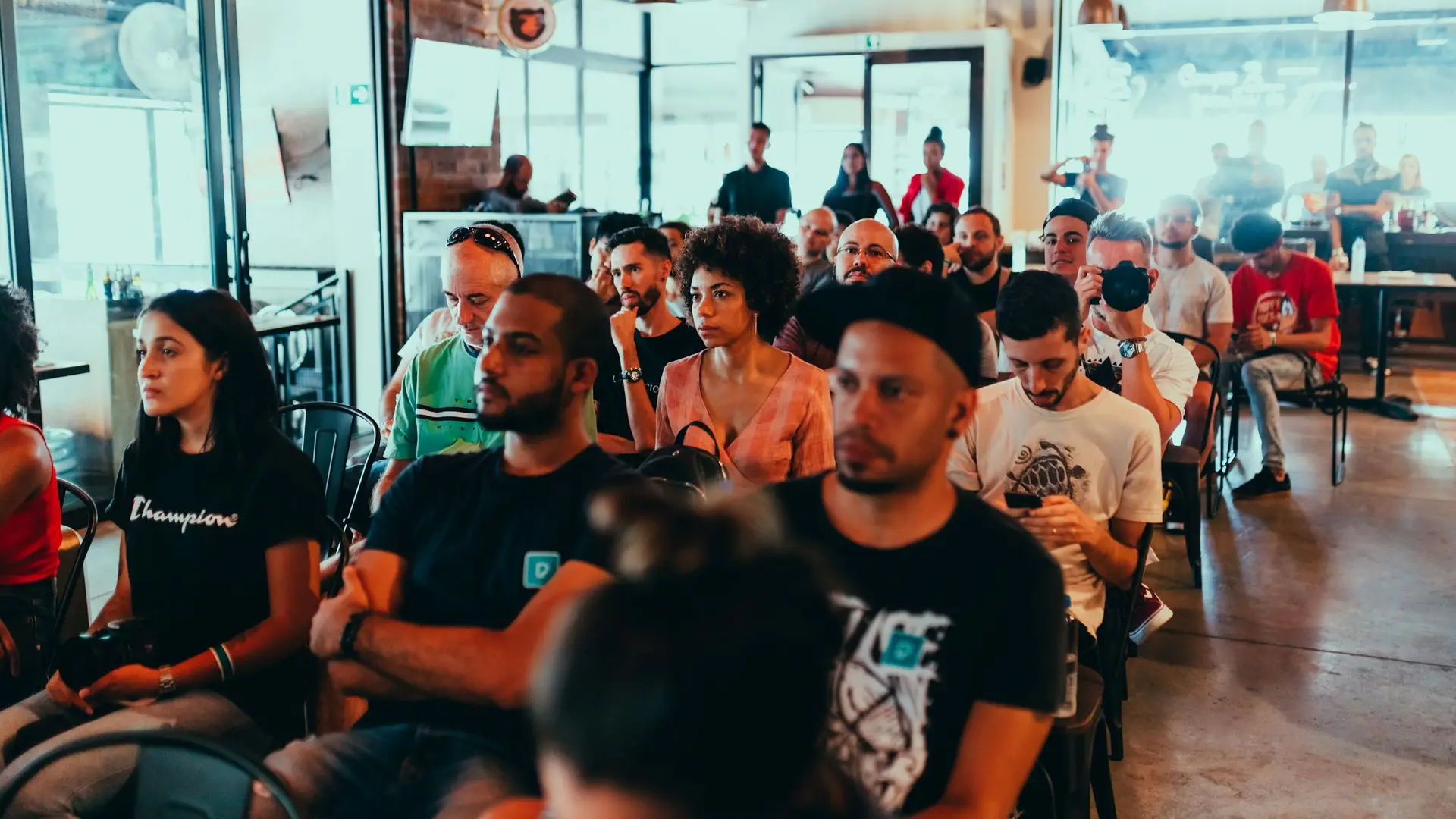
The coach’s commitment to continuous development defines professional maturity. Coaching is a living discipline, and growth is its ethical responsibility in action. Coaching is a living profession — one that expands only as its practitioners deepen in awareness and skill. Certification marks the starting line, instead of the finish. The coach’s commitment to continuous development…