
Category: Coaching
-

Humans lose energy yes, through big events, however the accumulation of unnoticed micro-leaks yields a greater loss. An energy audit exposes those leaks so the system can reset. Energy audits examine three zones: Drained, Neutral, Nourished. Identify where each task, relationship, thought, or habit sits.
-

Humans often react to assumptions, not facts. A truth-checking pattern prevents unnecessary emotional spirals. It asks one question: “What is true right now?” This cuts through story, projection, fear, and past conditioning.
-

Most boundary violations are actually far removed from dramatism. They are small, constant, subtle — and they drain energy. Boundary micro-repair is the practice of small, immediate corrections that restore dignity and protect emotional clarity.
-

Stress builds into bad stress because humans forget to breathe consciously. A breath-based reset is a micro-practice that shifts the nervous system from survival mode to stability in under 30 seconds. It is a nod to meditation. It is nod to breathwork. It is regulation on demand.
-

Many organisations use language like “wellbeing,” “balance,” and “culture” as marketing assets. Wholeness goes beyond marketing. Wholeness is strategy. When an organisation commits to wholeness, it commits to: emotional safety responsible workloads coherence of communication aligned decision-making regulated leadership sustainable output Wholeness outperforms burnout every time. Forensic evidence of the history of human activity reveals a…
-

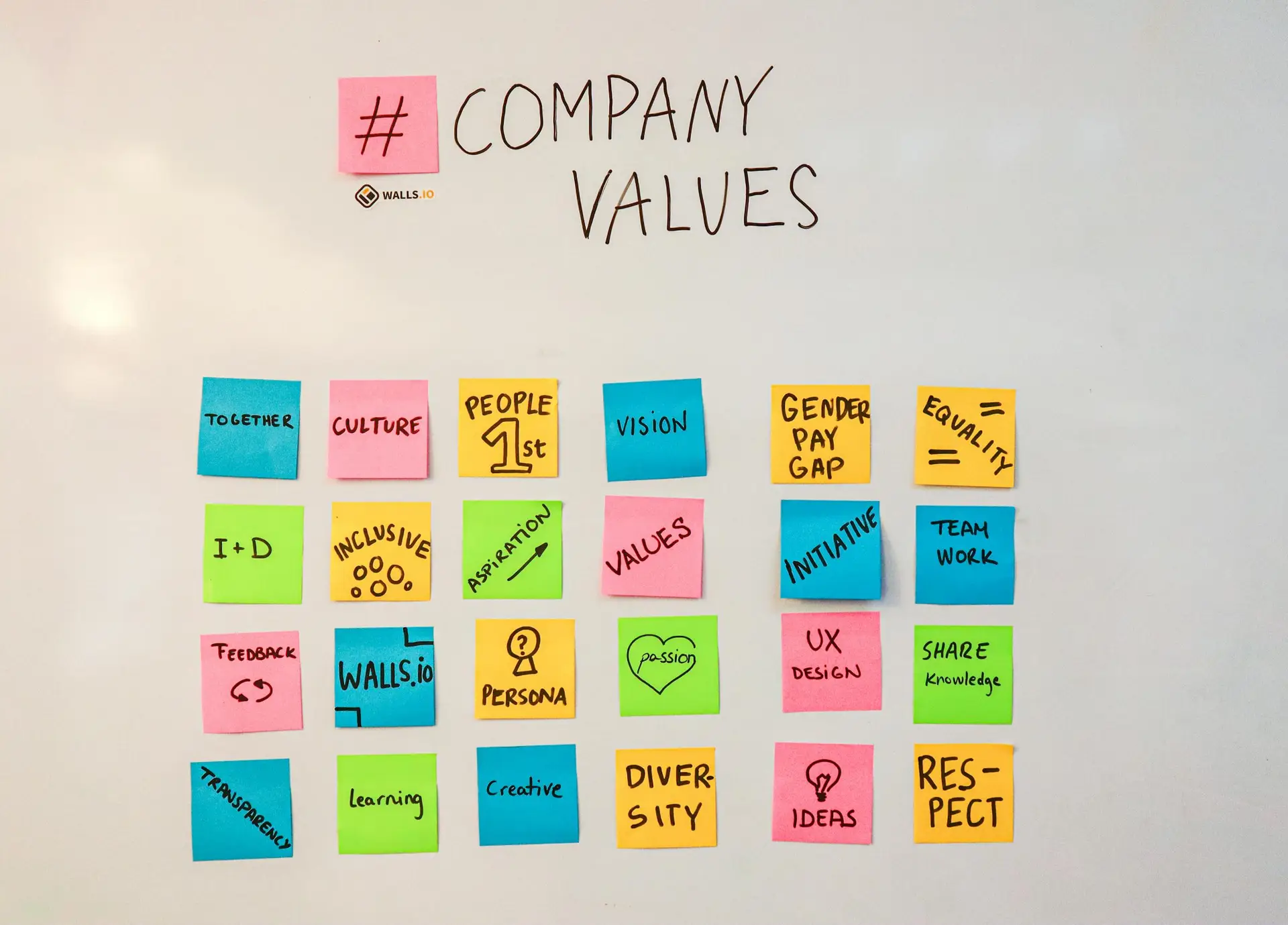
Values are so not ideas. Values are patterns. Values become architecture only when they shape behaviour, structure, and daily operations. Operational architecture means values influence: how meetings run how decisions are made how boundaries are enacted how conflict is handled how performance is measured how success is defined Values become real when humans behave from…
-
Every culture reflects the coherence or fragmentation of the humans within it. A coherent organisation displays: clear communication calm decision-making balanced responsibility consistent emotion management alignment of purpose and behaviour A fragmented organisation displays: constant urgency unclear roles emotional leakage overstretched team members values used as decoration reactive leadership The system shows the truth of…